Traditional vs Warm Minimalism: Which Minimalist Style Is Right for You?
Both traditional and warm minimalism share the same “less is more” philosophy, but they create remarkably different feelings in your home. Traditional minimalism focuses on pure function and monochromatic palettes, while warm minimalism introduces natural materials, textures, and warmer colors to create an inviting, comfortable space without the clutter. Understanding traditional vs warm minimalism helps you choose the approach that supports how you want to live.
Table of Contents
Traditional vs Warm Minimalism: Key Takeaways
- Traditional minimalism uses cool whites, grays, and stark contrasts for a gallery-like aesthetic
- Warm minimalism incorporates beige, taupe, and soft earth tones for inviting comfort
- Materials differ dramatically: glass and metal versus wood and linen
- Both reduce clutter, but warm minimalism allows meaningful personal items
- The choice depends on whether you prioritize visual purity or lived-in warmth
Traditional vs Warm Minimalism: Where They Align and Diverge
Both styles embrace intentional simplicity—every item serves a purpose, and visual clutter is eliminated. Traditional minimalism, rooted in postwar modernism, pursues absolute clarity through sparse decoration and strict editing. The goal is calm through absence.
Warm minimalism evolved as a response to traditional minimalism’s potential coldness. Instead of eliminating all decorative elements, warm minimalism adds layers of warmth and personality that traditional minimalism often overlooks.
The philosophy diverges on what creates calm.
Traditional minimalism believes visual purity brings peace, while warm minimalism suggests comfort and natural connection are equally important for wellbeing.
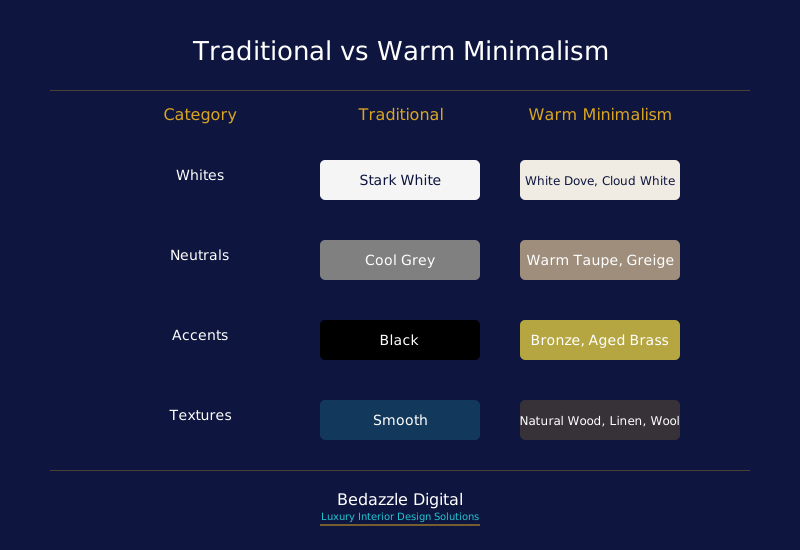
Summary of Differences
Key Insight: Both styles reduce clutter, but warm minimalism prioritizes emotional comfort alongside visual simplicity, while traditional minimalism pursues aesthetic purity above all else.
Color Palettes: Cool Precision vs Warm Invitation
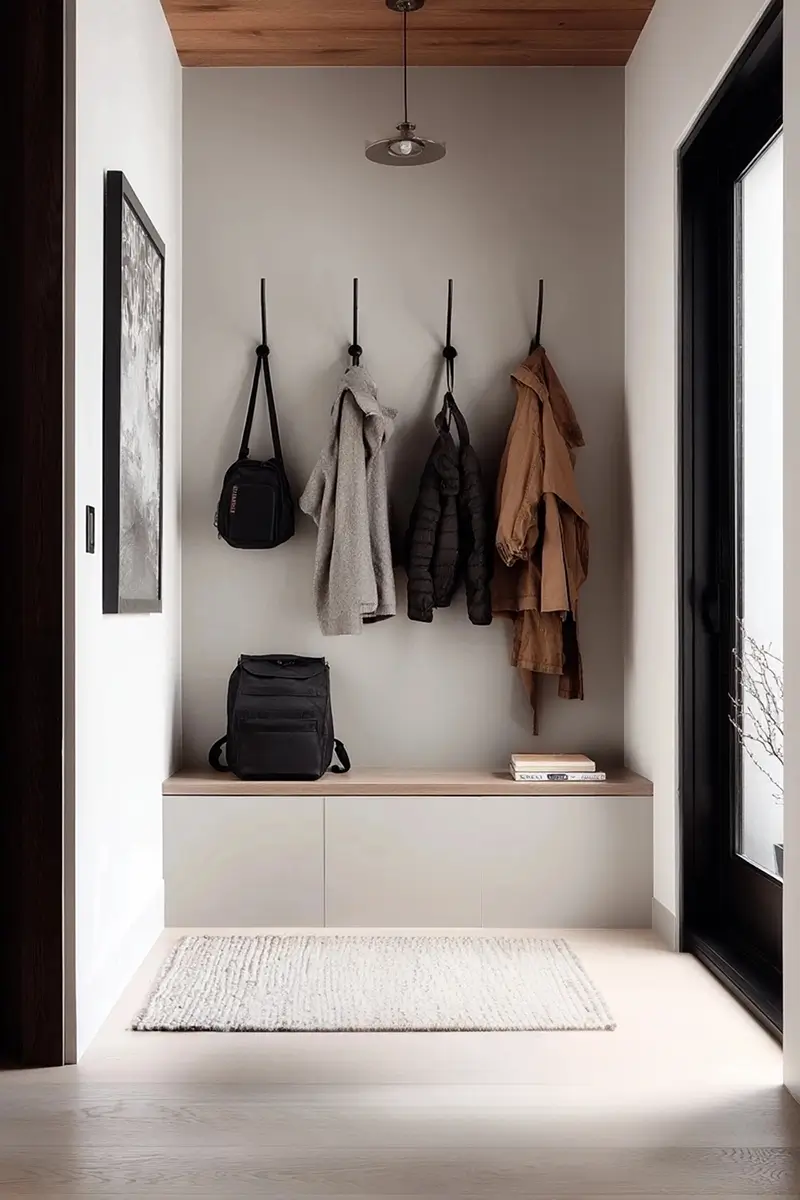
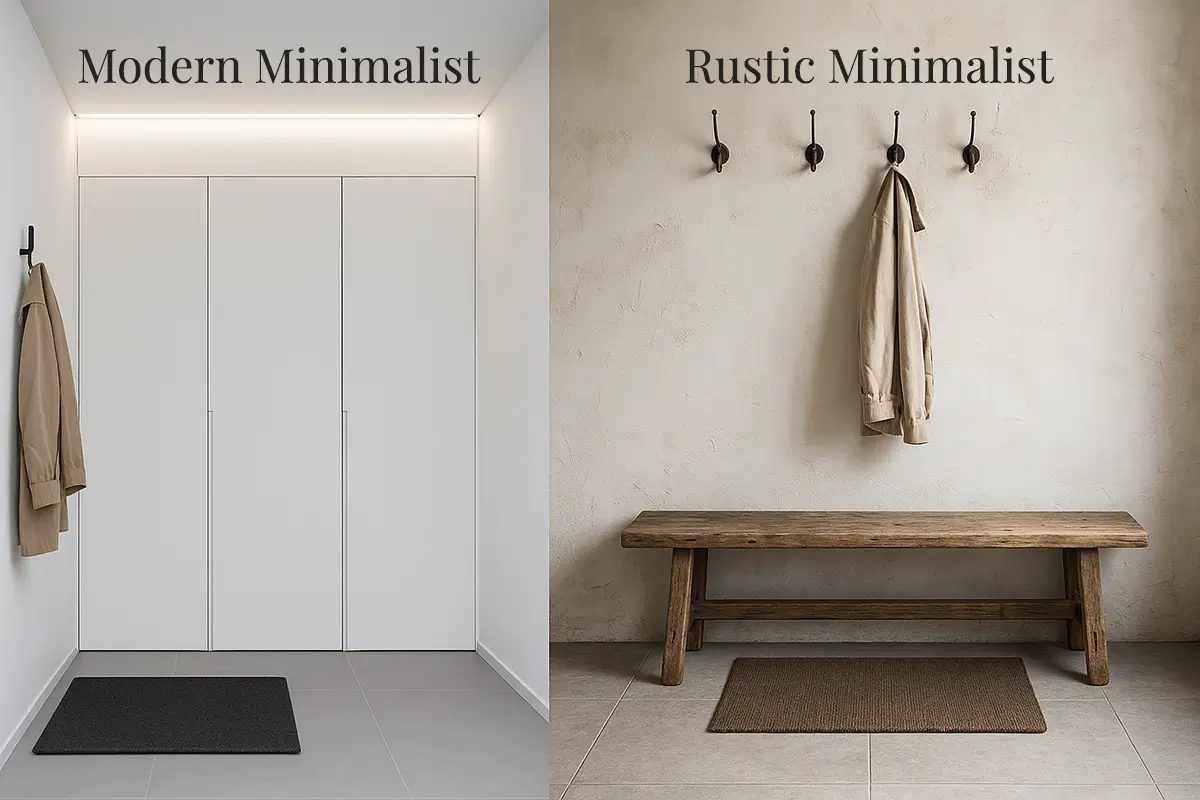
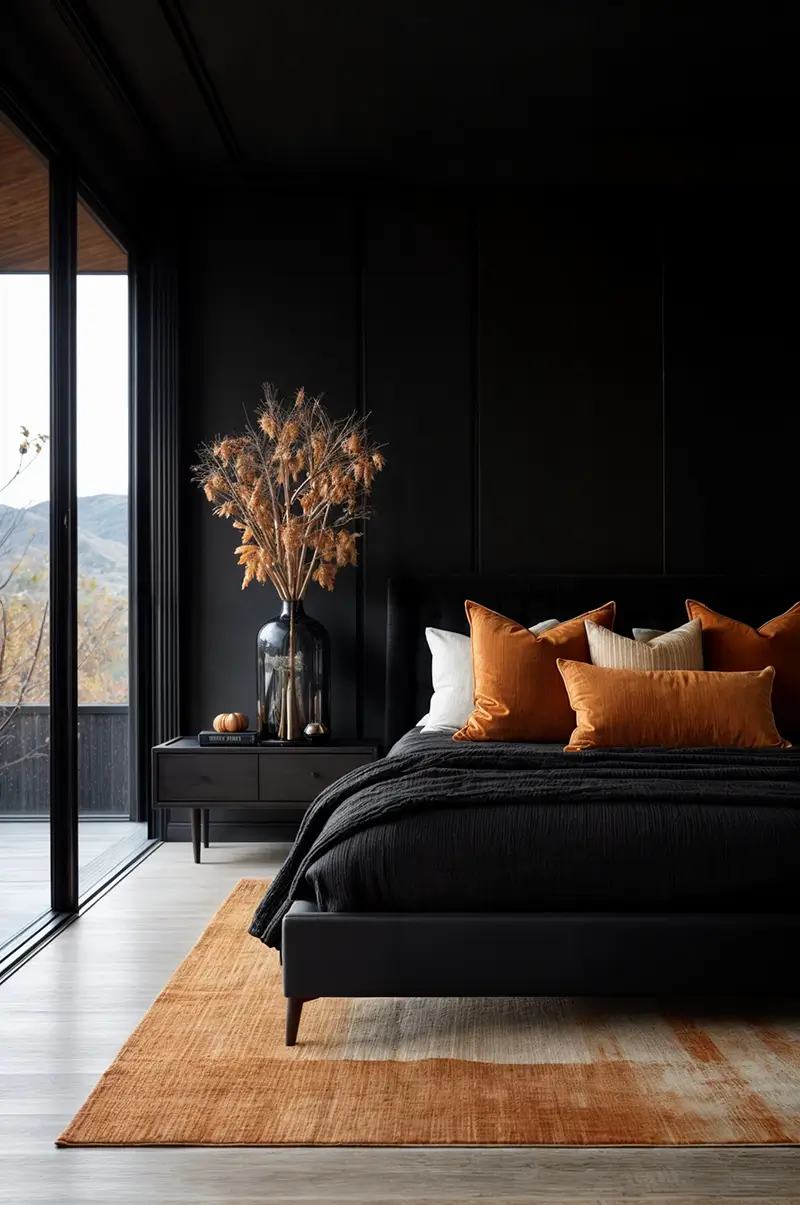
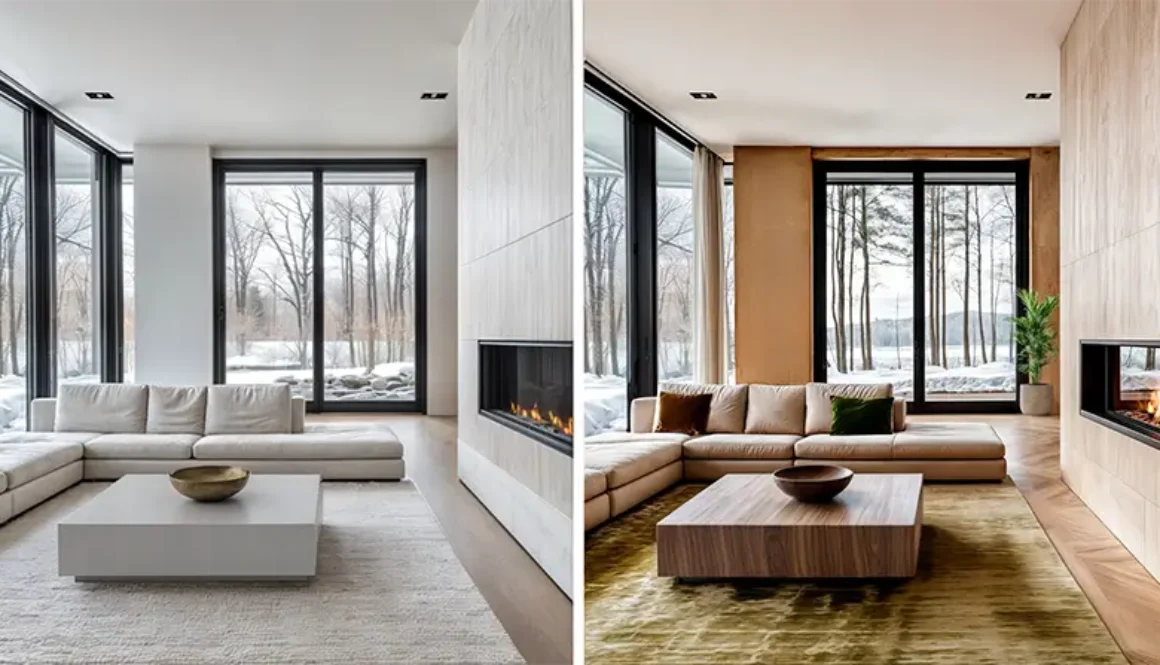
The most immediate visual difference lies in color choices. Traditional minimalism favors stark whites, cool grays, and black accents. These colors create a clean, almost clinical aesthetic often associated with a gallery-like feel. Personal touches are typically kept out of sight.
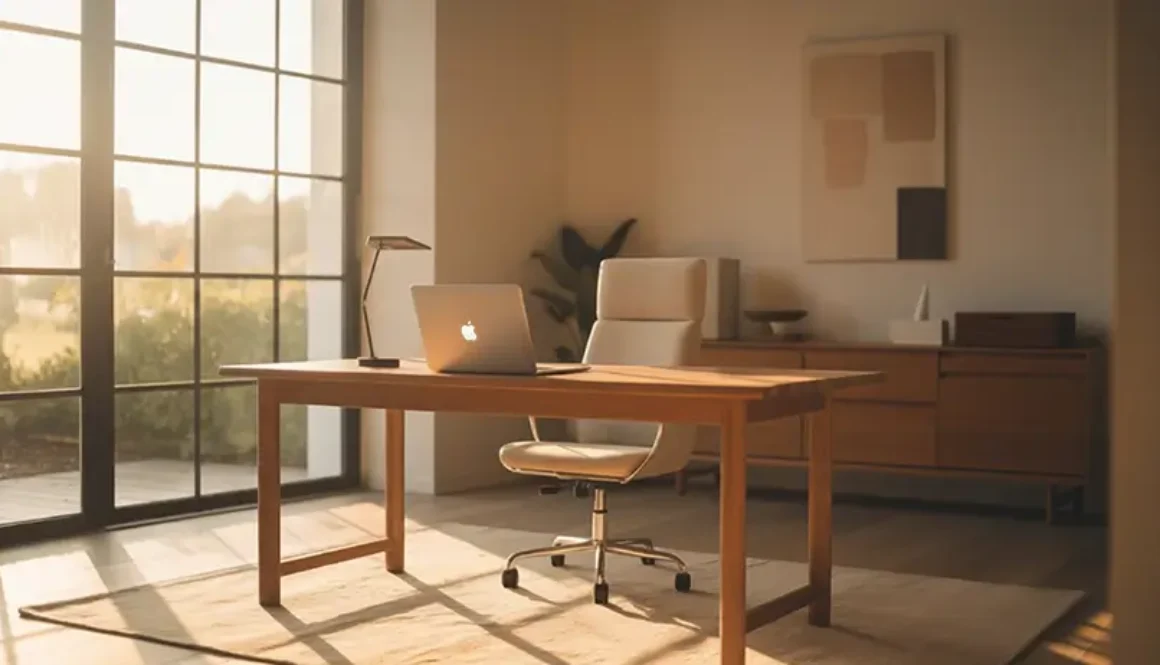
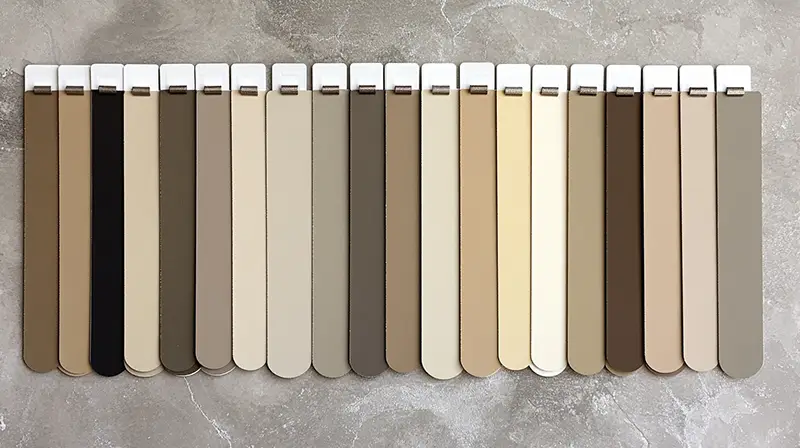
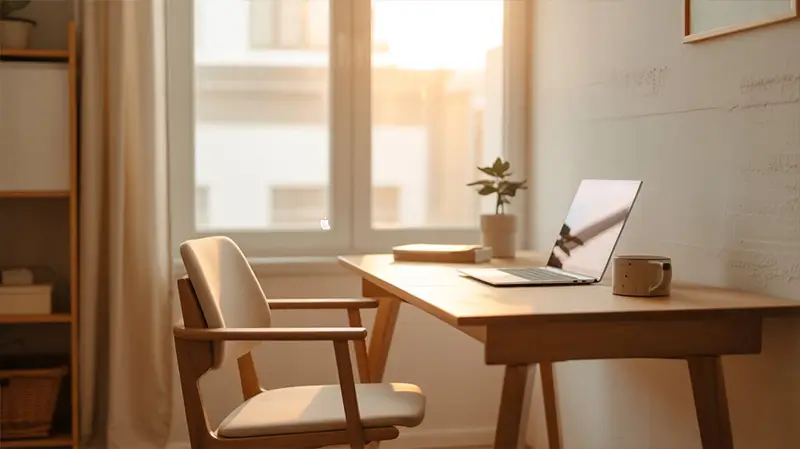
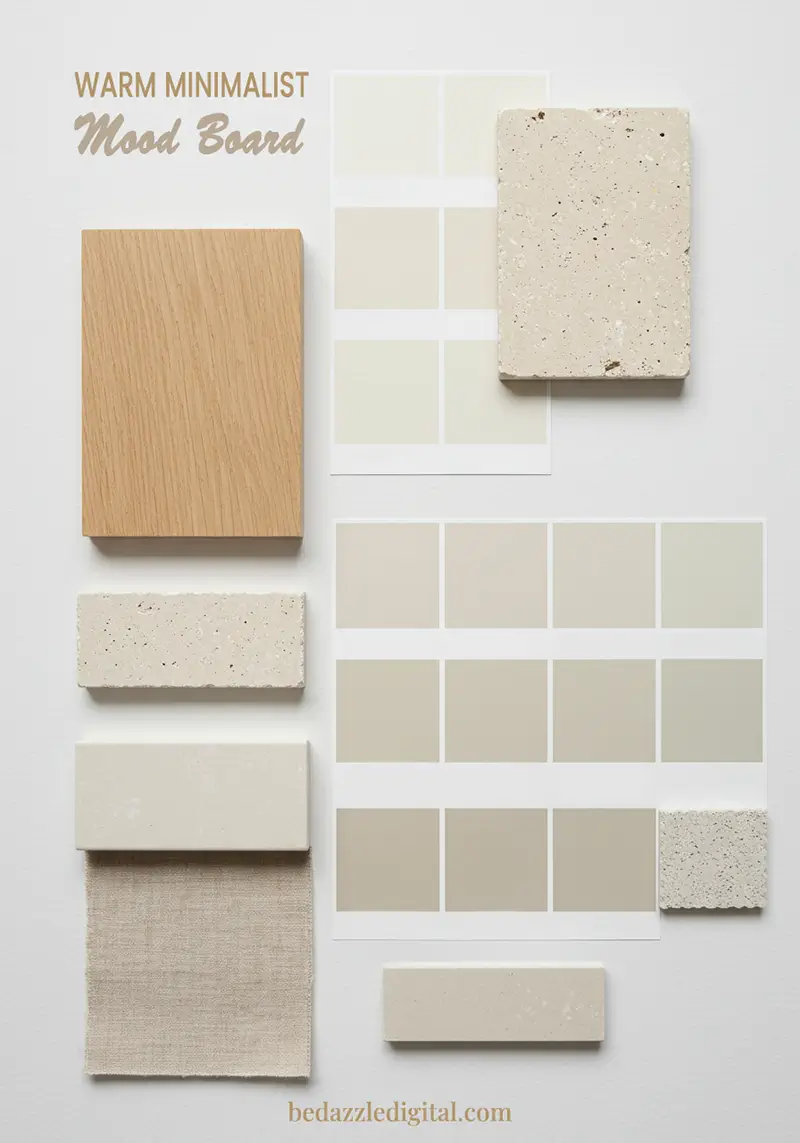
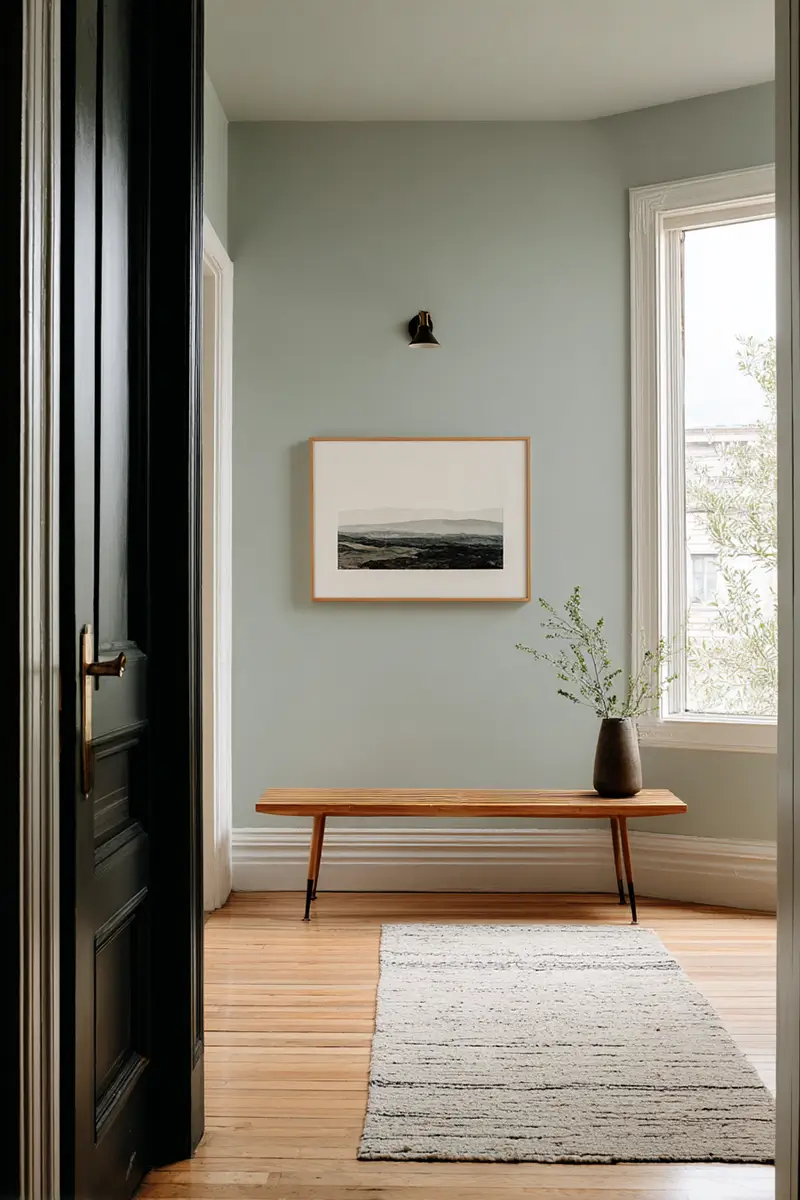
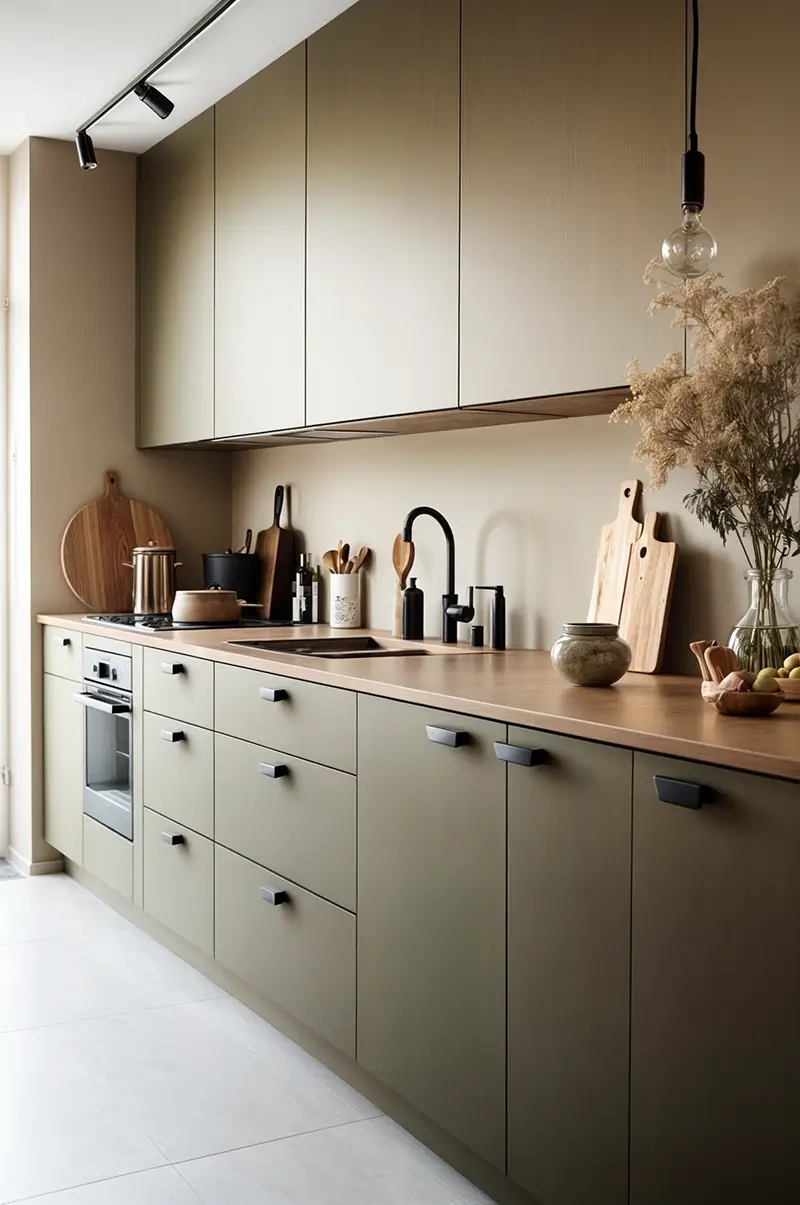
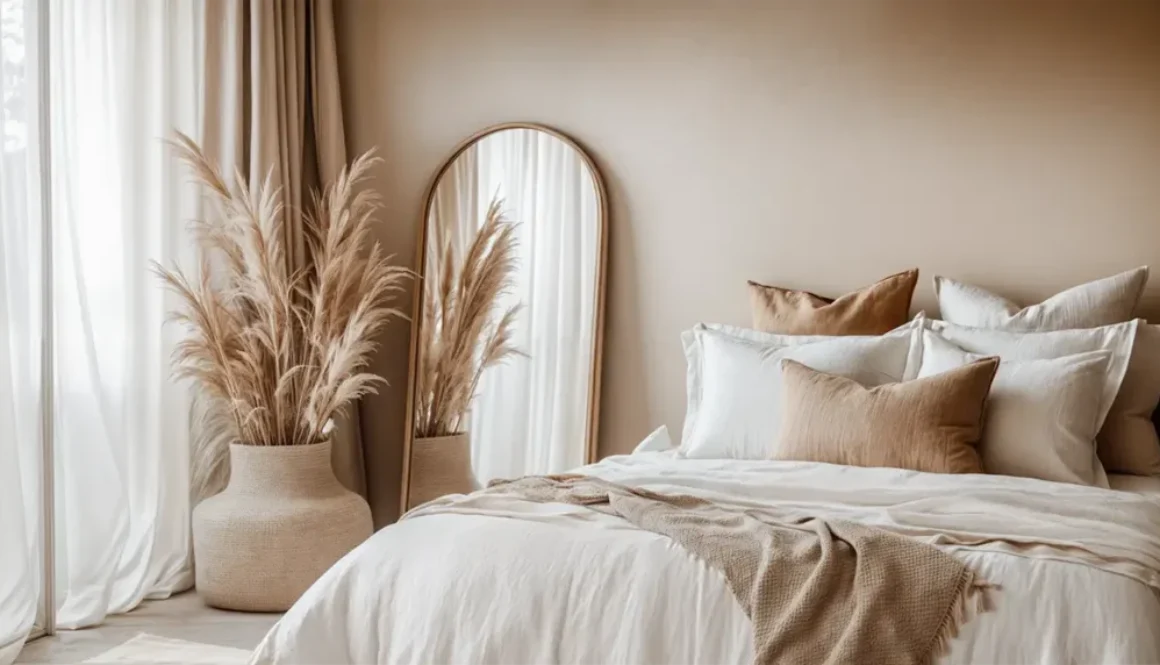
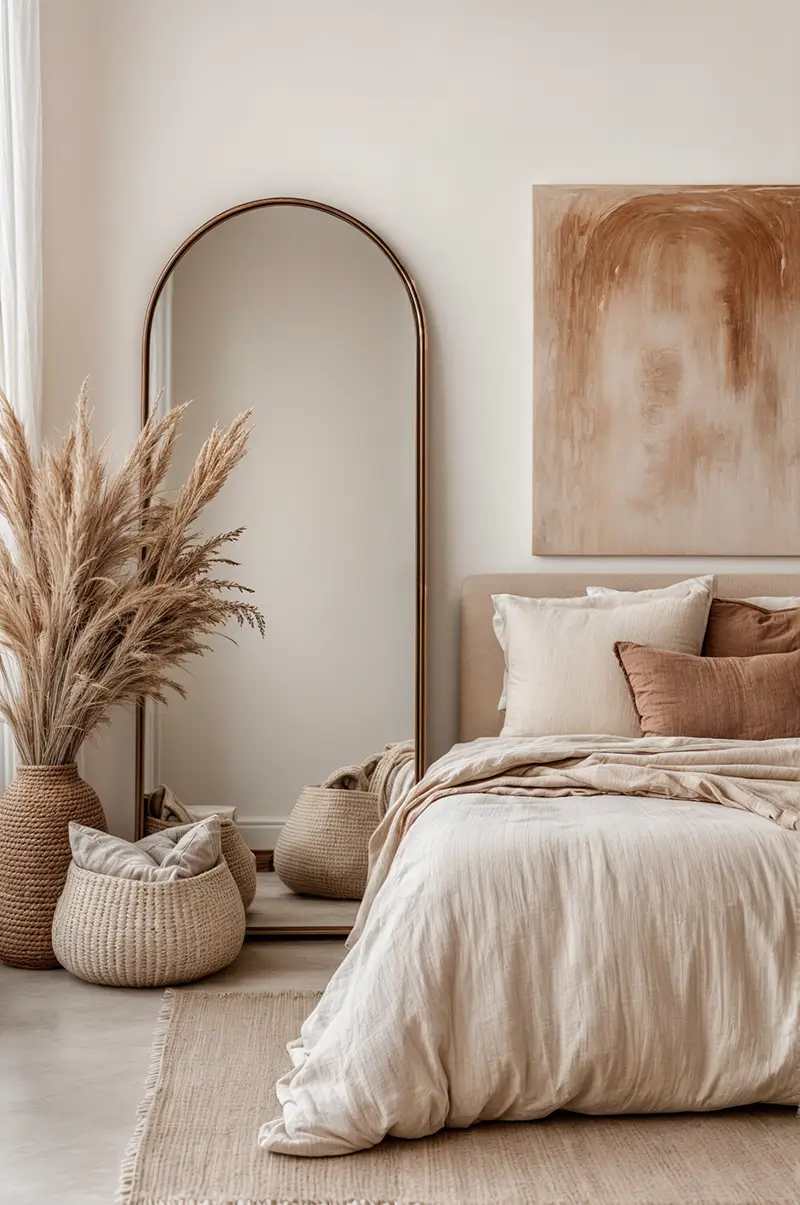
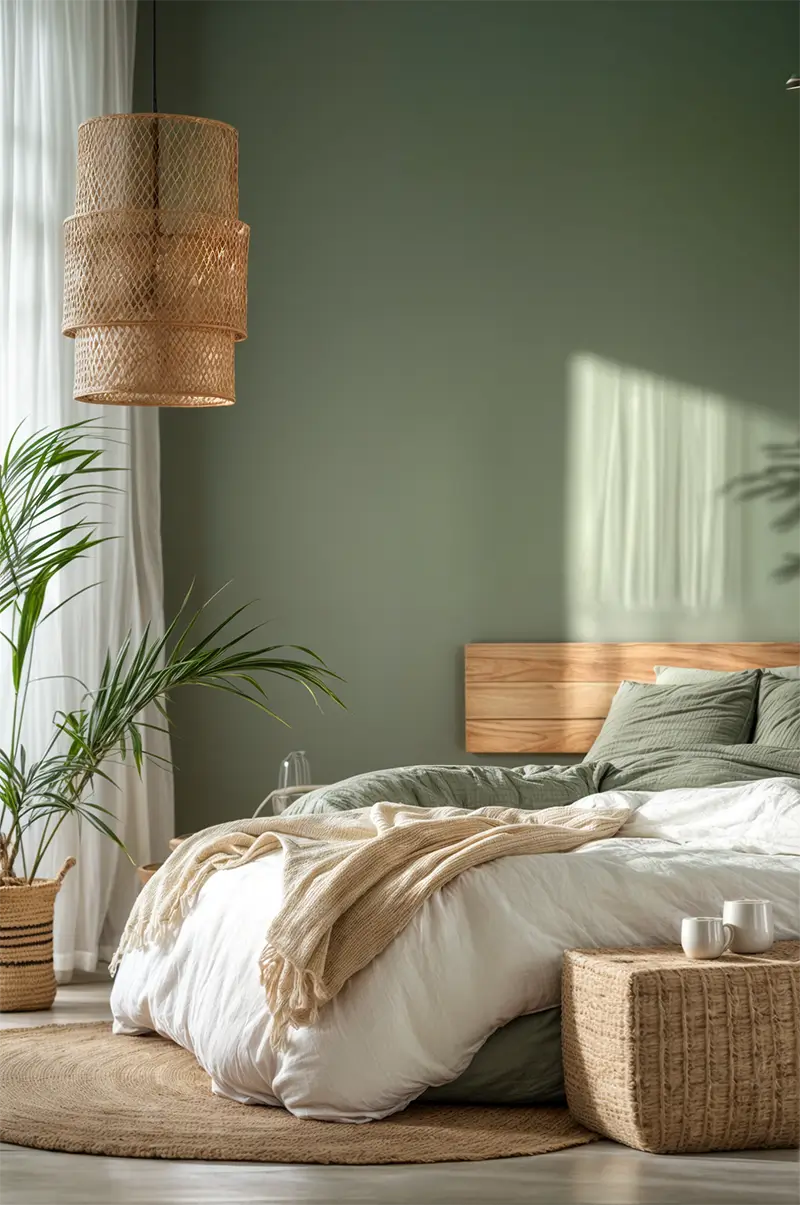
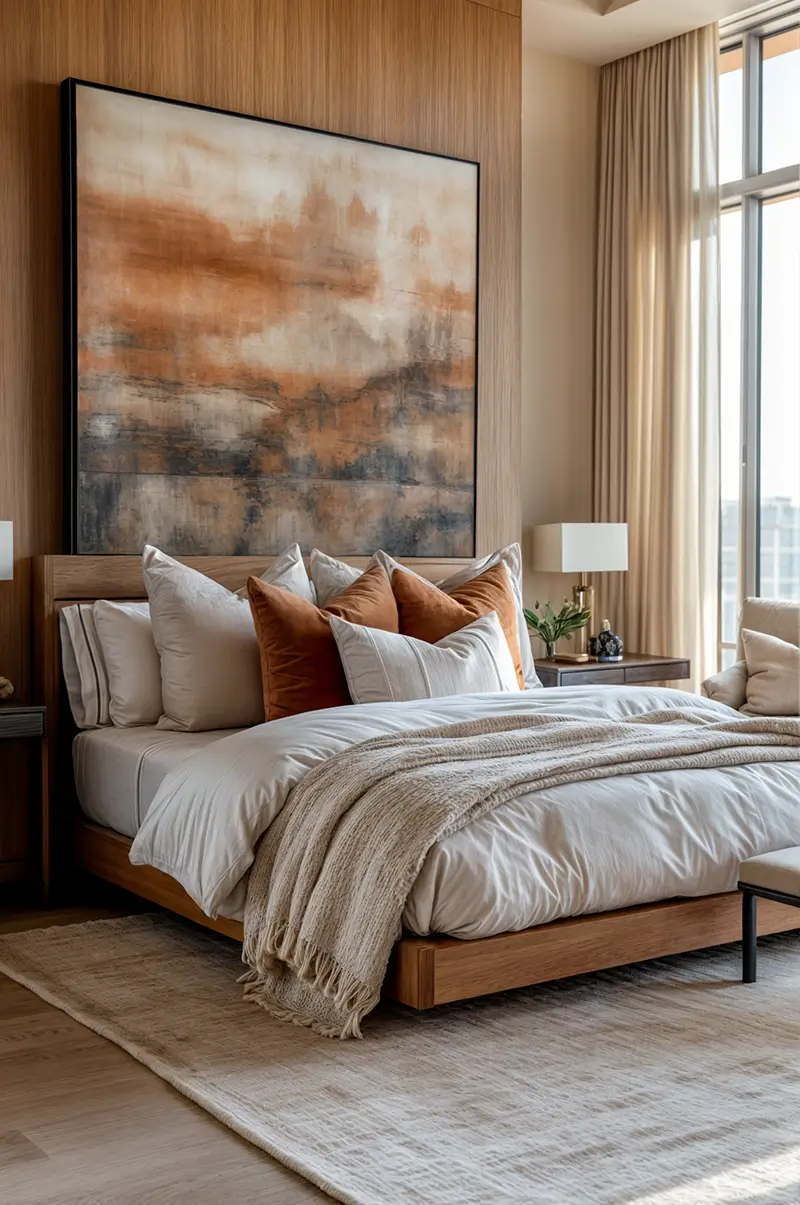
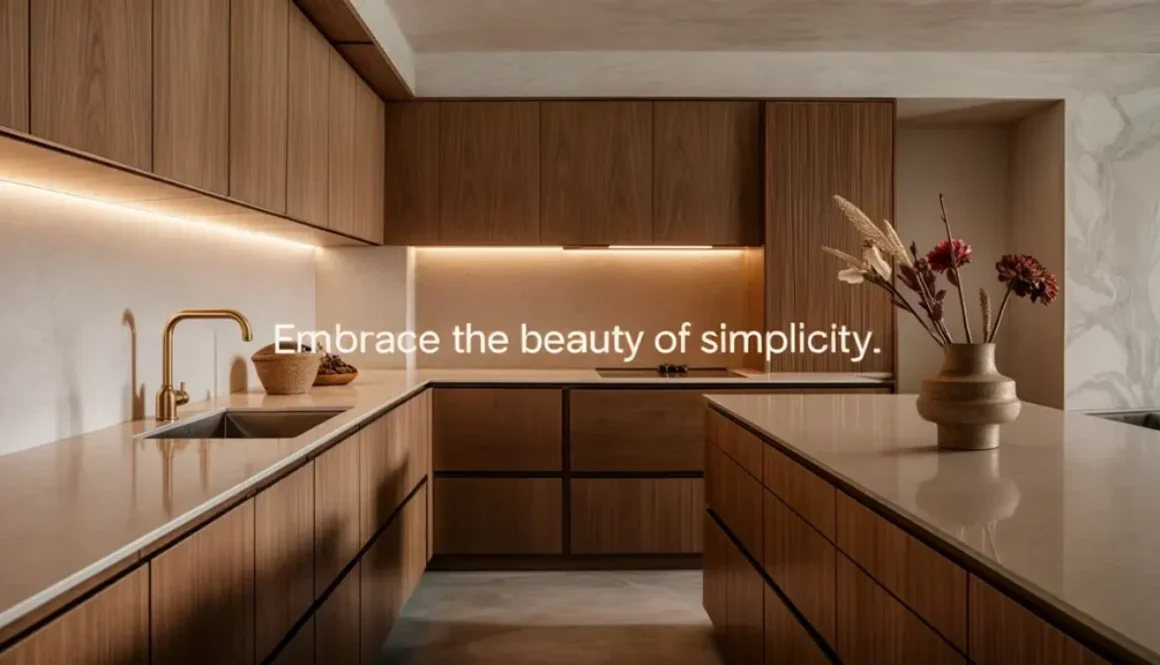
Warm minimalism, by contrast, embraces warm-toned neutrals like cream, beige, taupe, tan, and soft browns. These colors provide a calming base while allowing textures and materials to take center stage. Subtle earthy accents like olive green or terracotta might appear, though always with restraint.
Your nervous system responds differently to these palettes. Cool whites can feel refreshing and spacious, but may trigger a subtle stress response in some people. Warm earth tones tend to feel more grounding, signaling safety and connection to nature.
Materials and Textures: Sleek vs Tactile
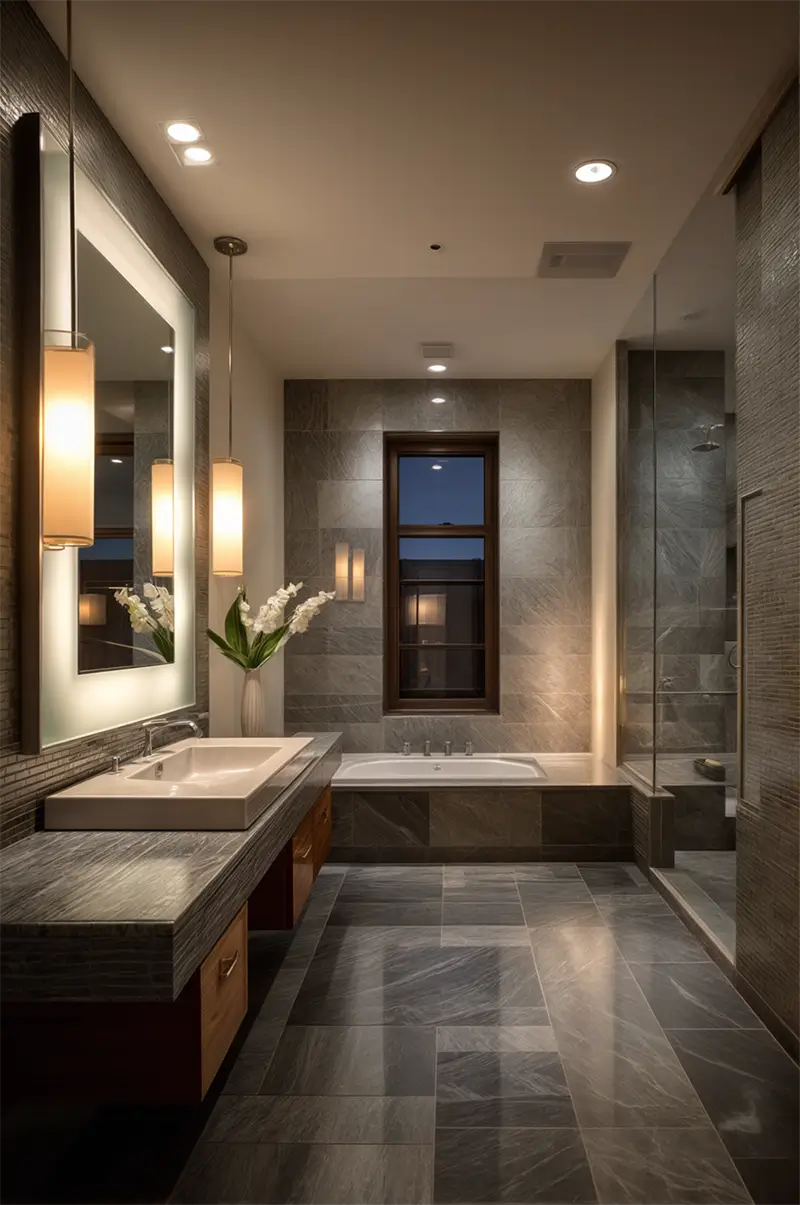
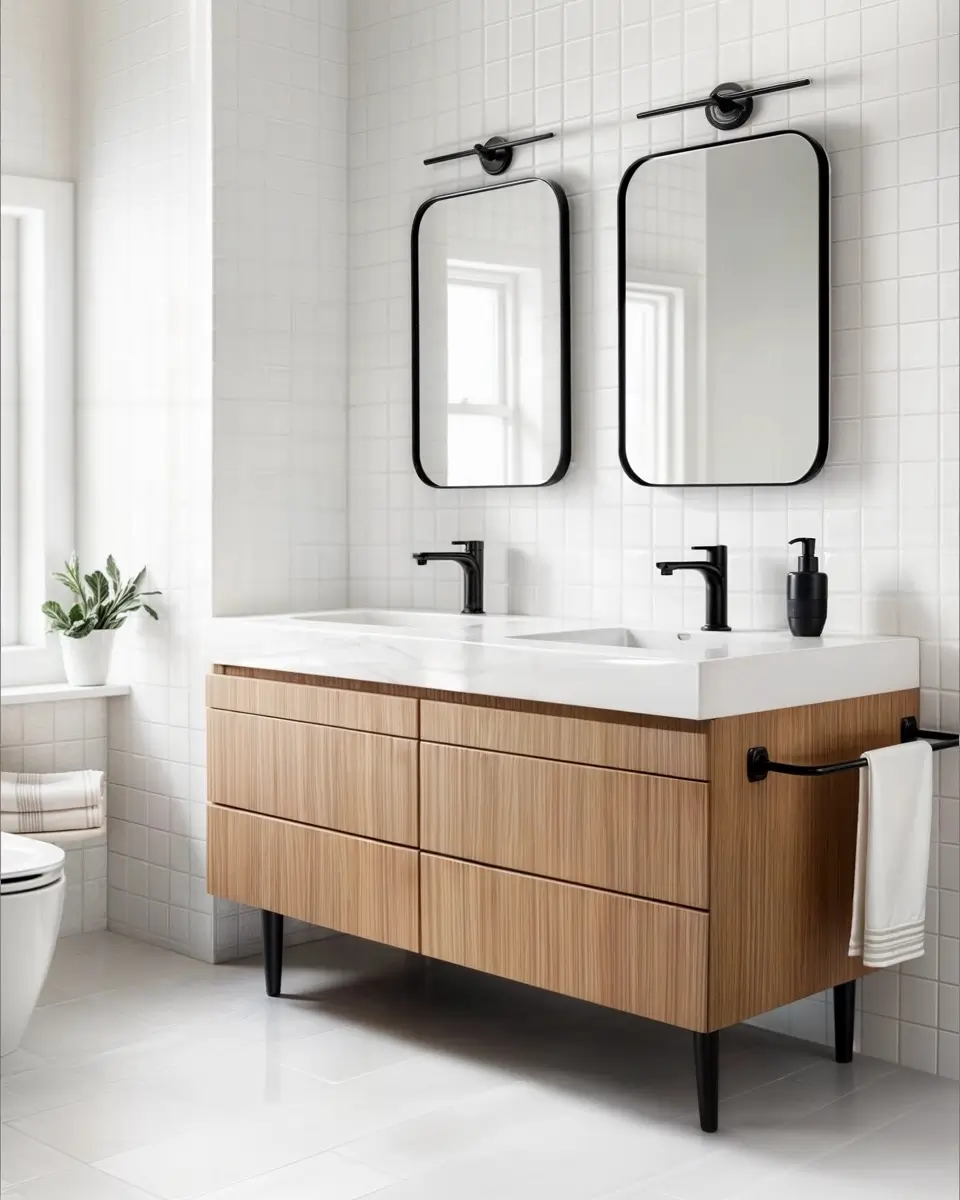
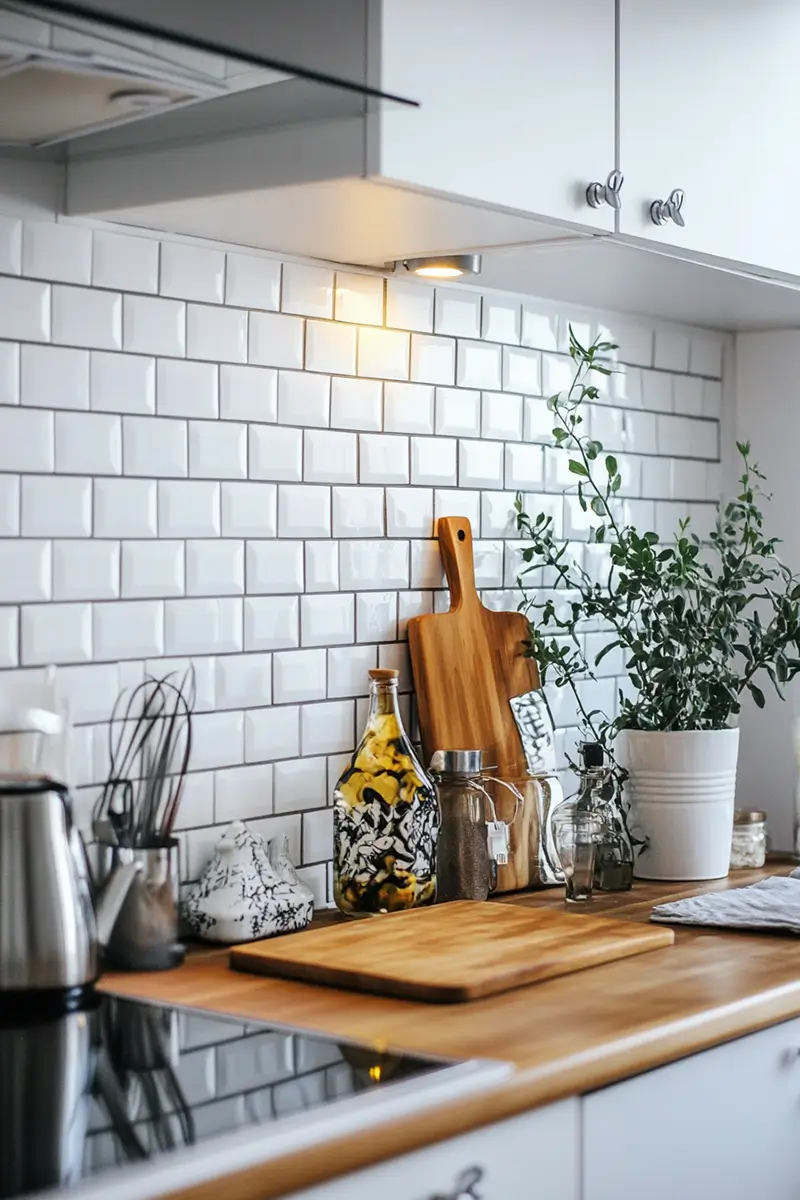
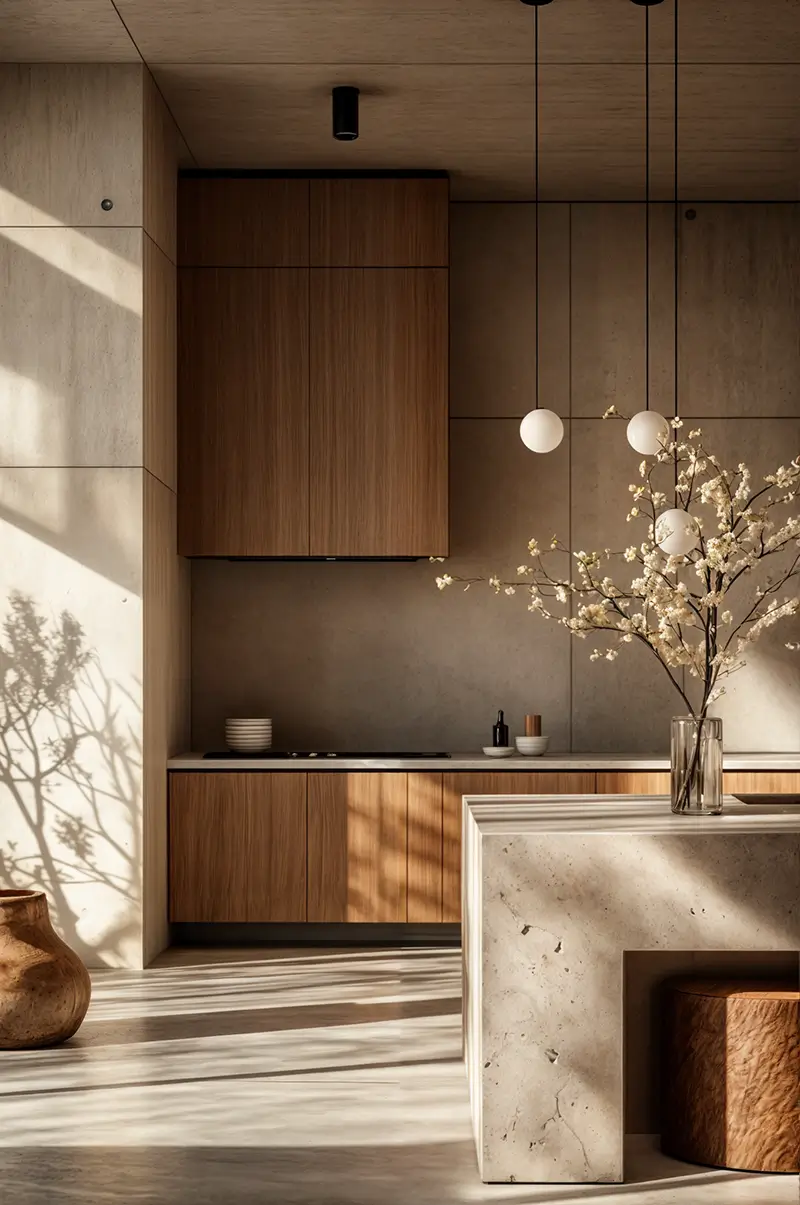
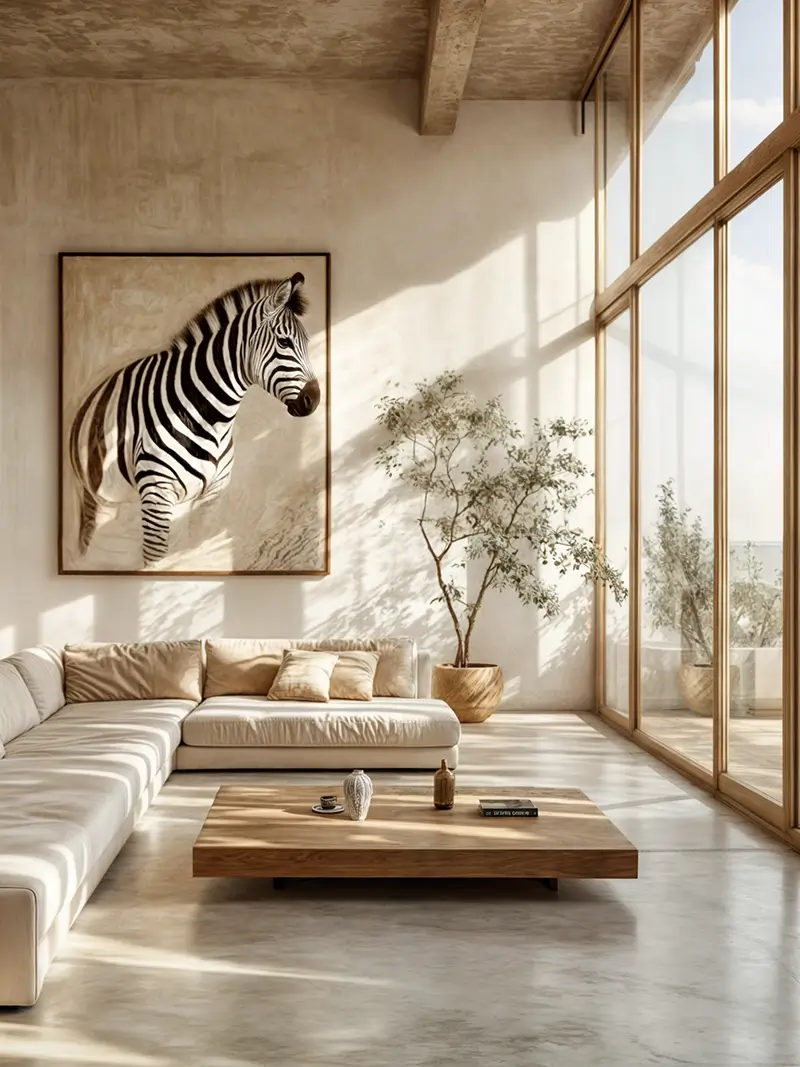
Materials create another stark divide between these approaches. Traditional minimalism often relies on man-made, high-gloss finishes: chrome, glass, concrete, and lacquered surfaces. These materials emphasize the clean lines and geometric precision that define the style.
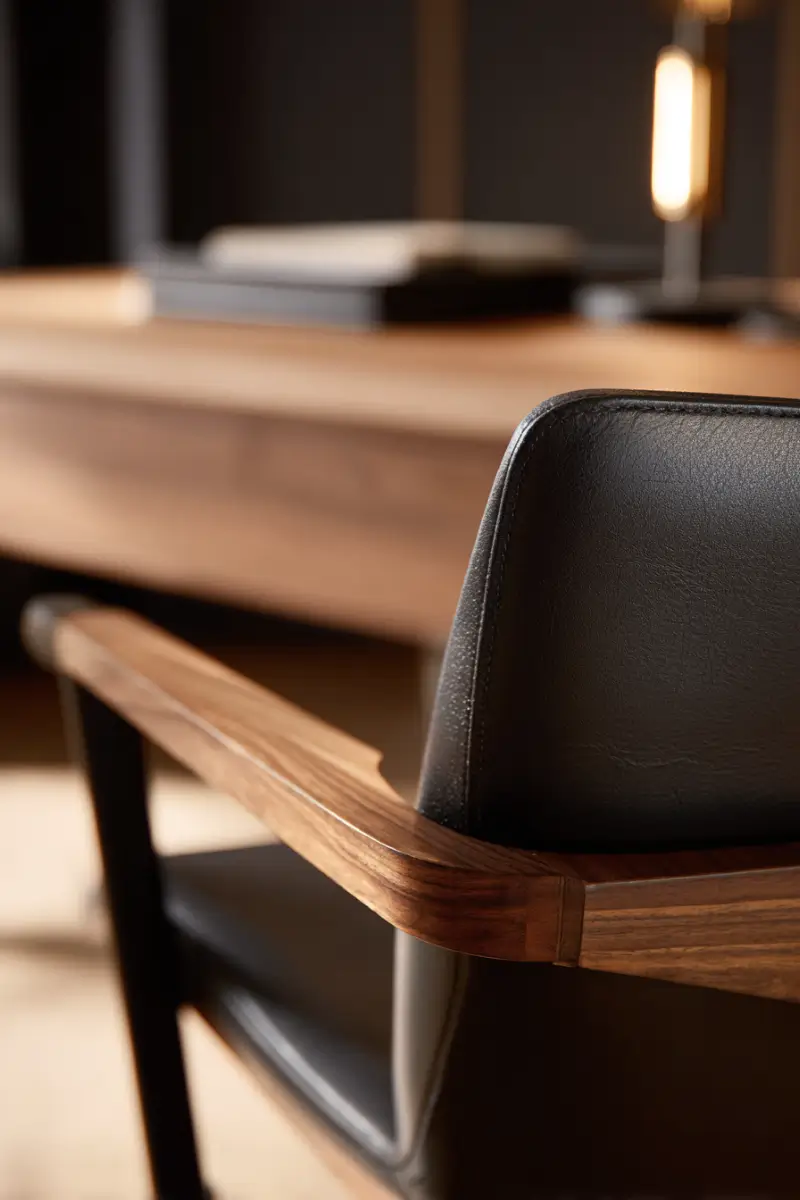
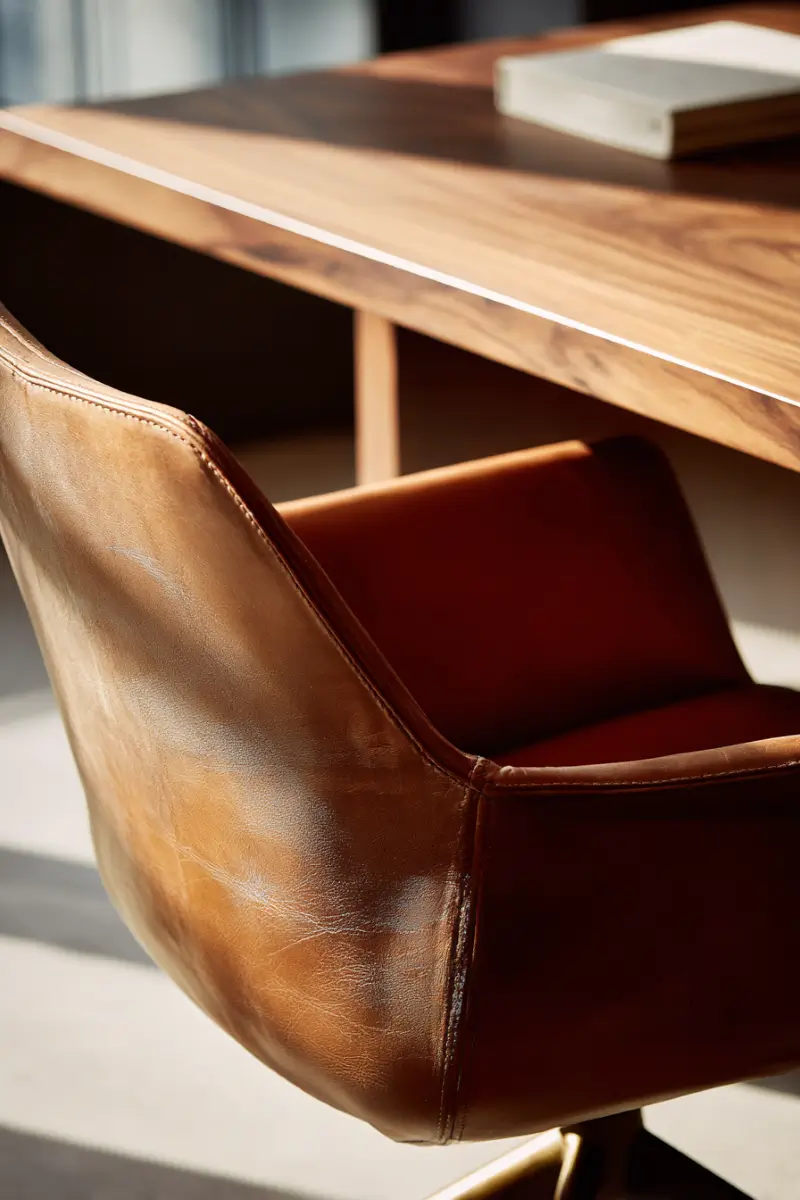
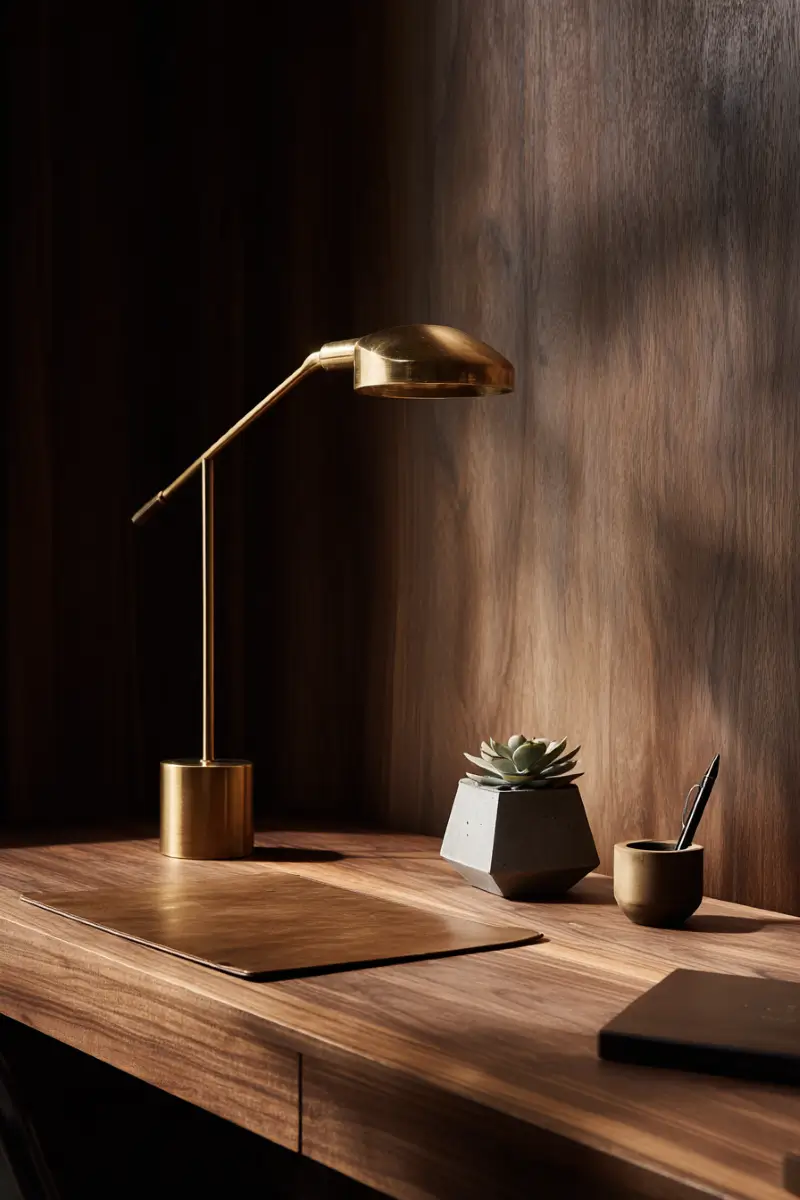
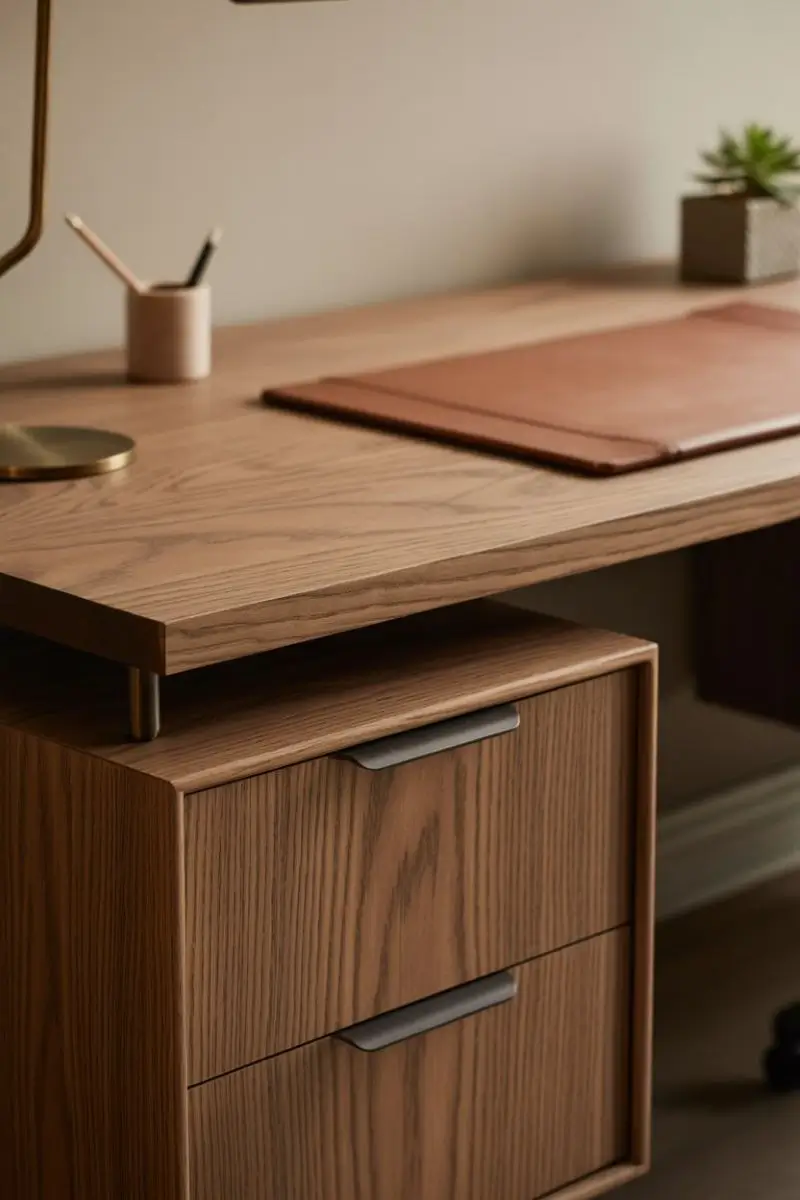
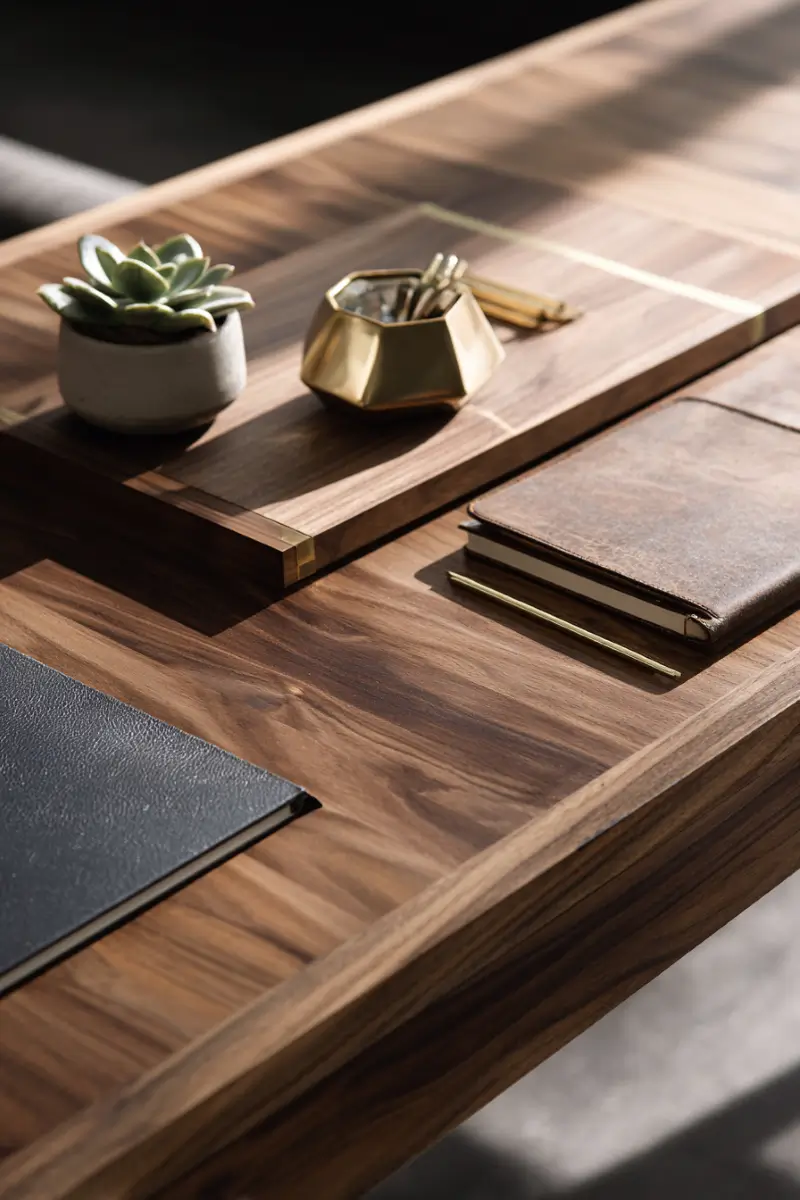
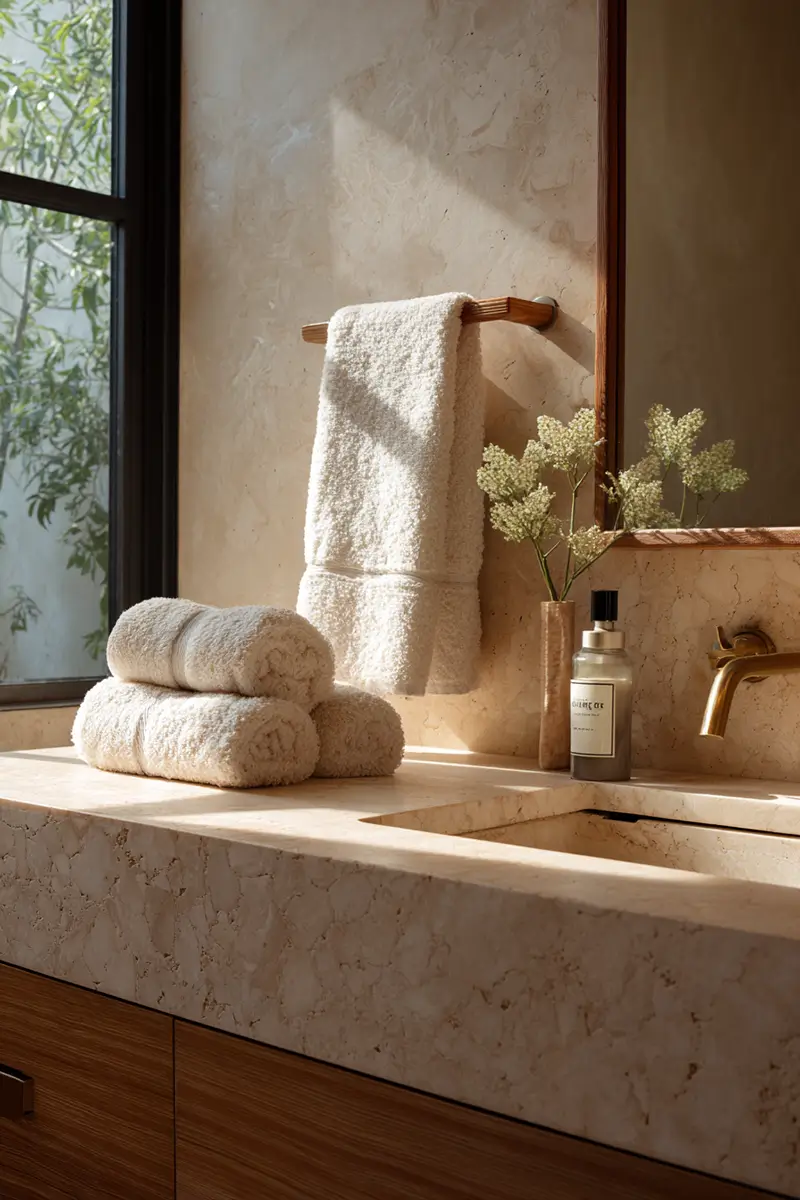
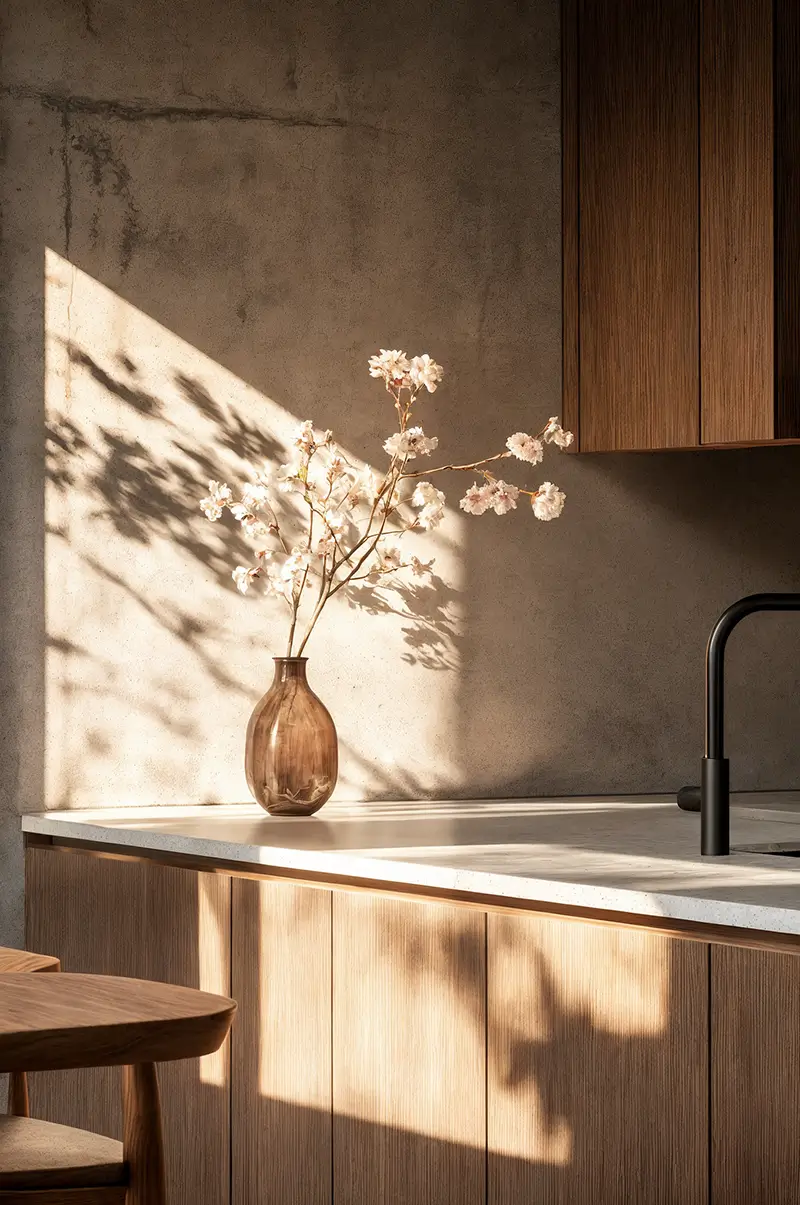
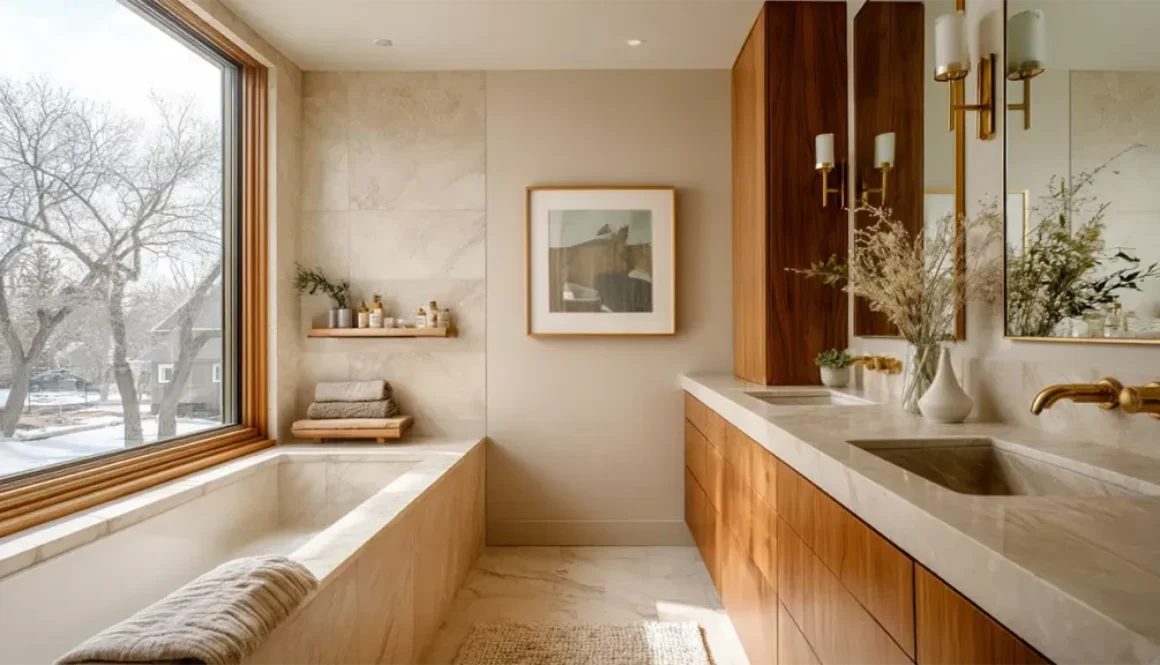
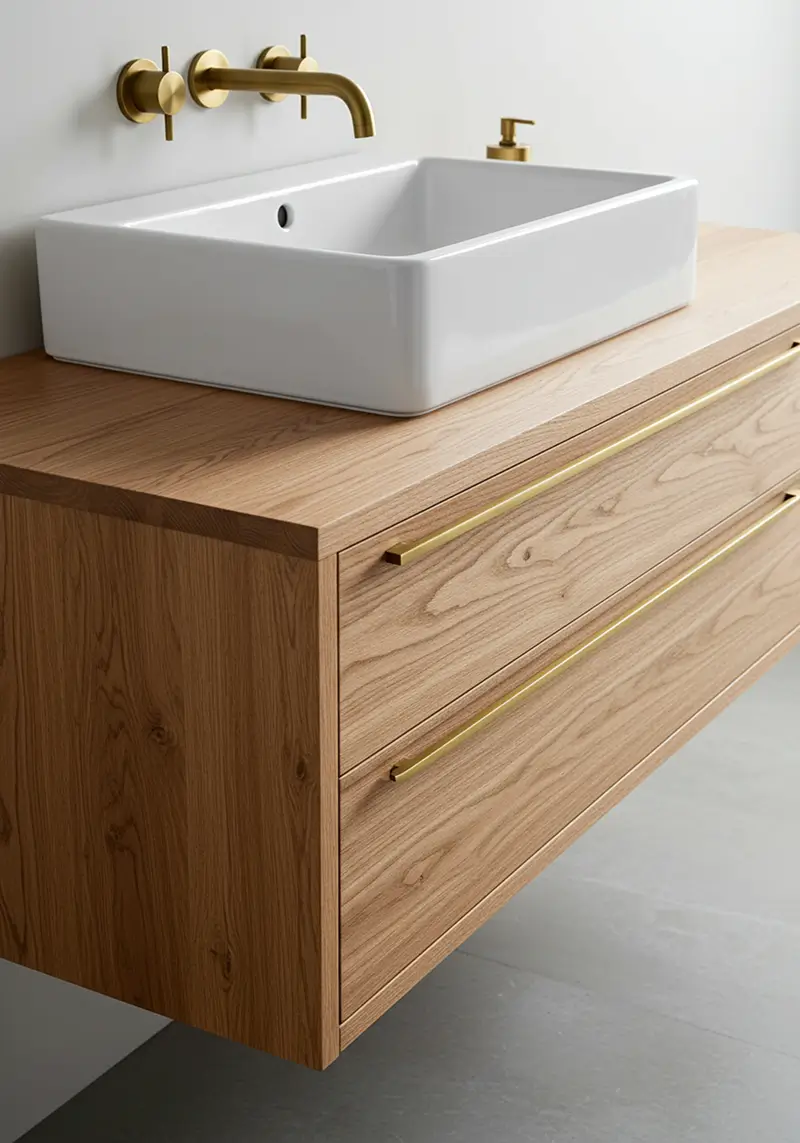
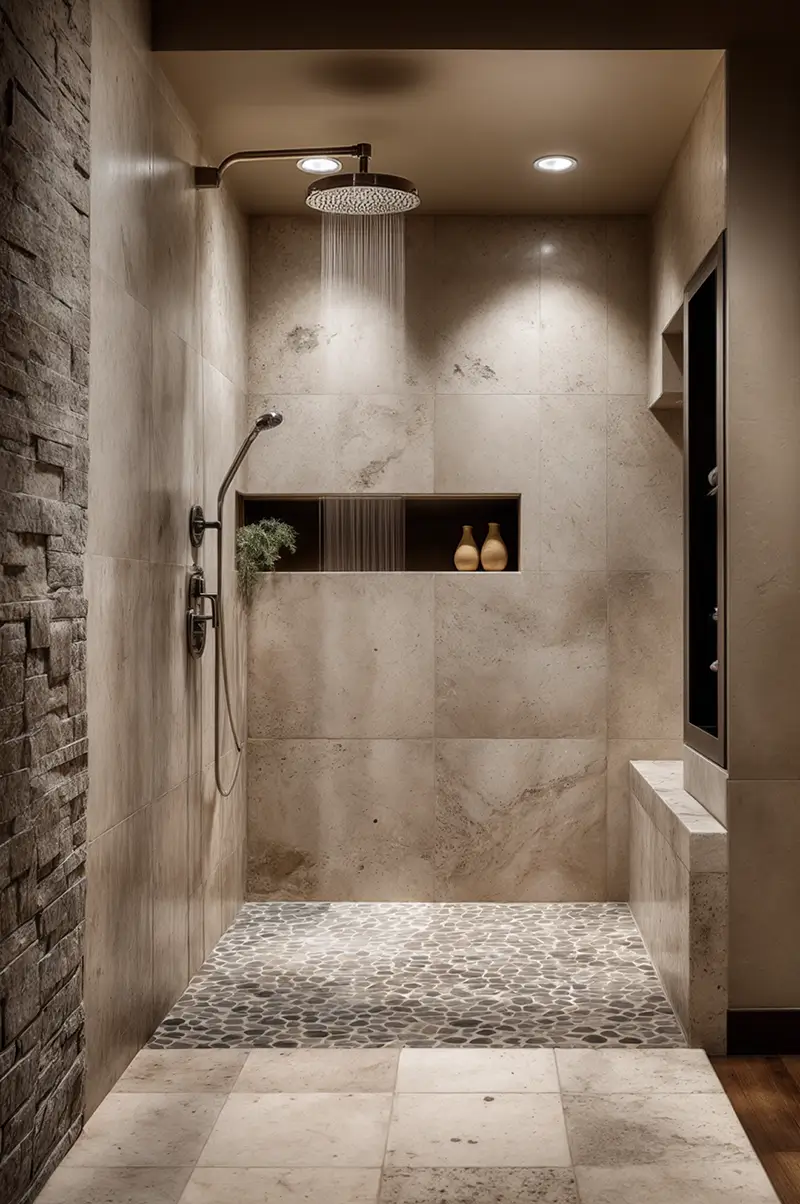
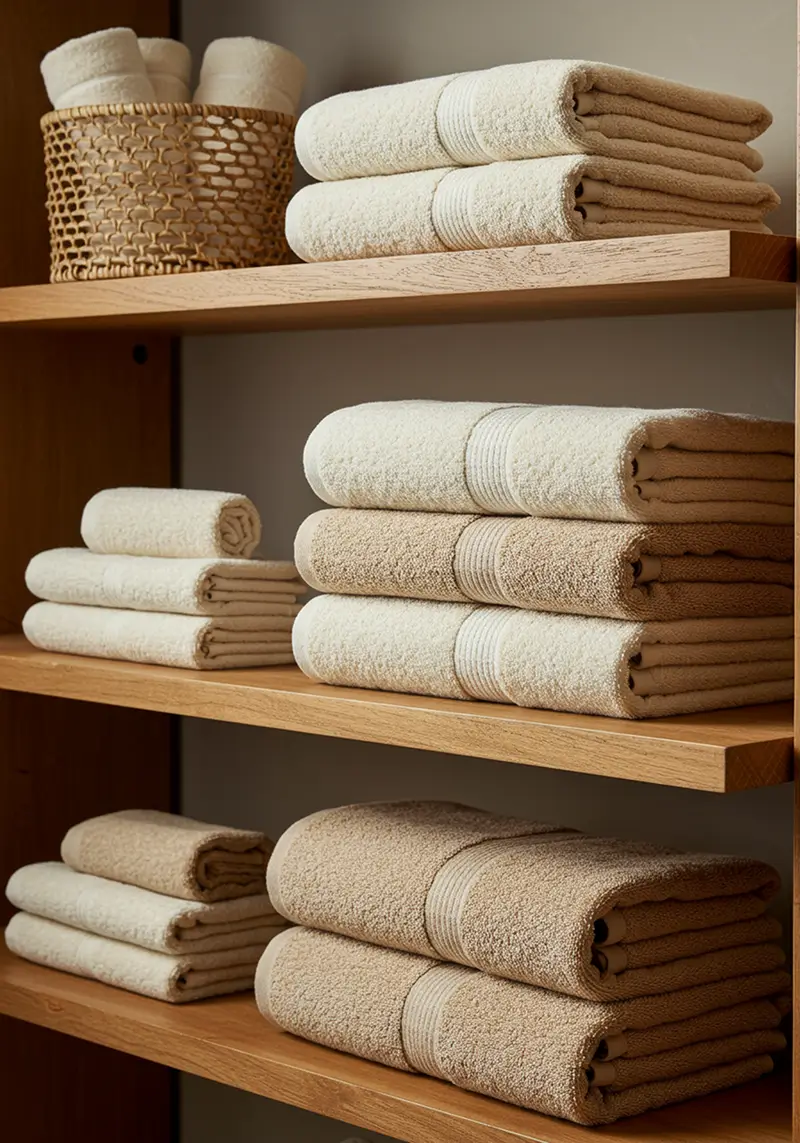
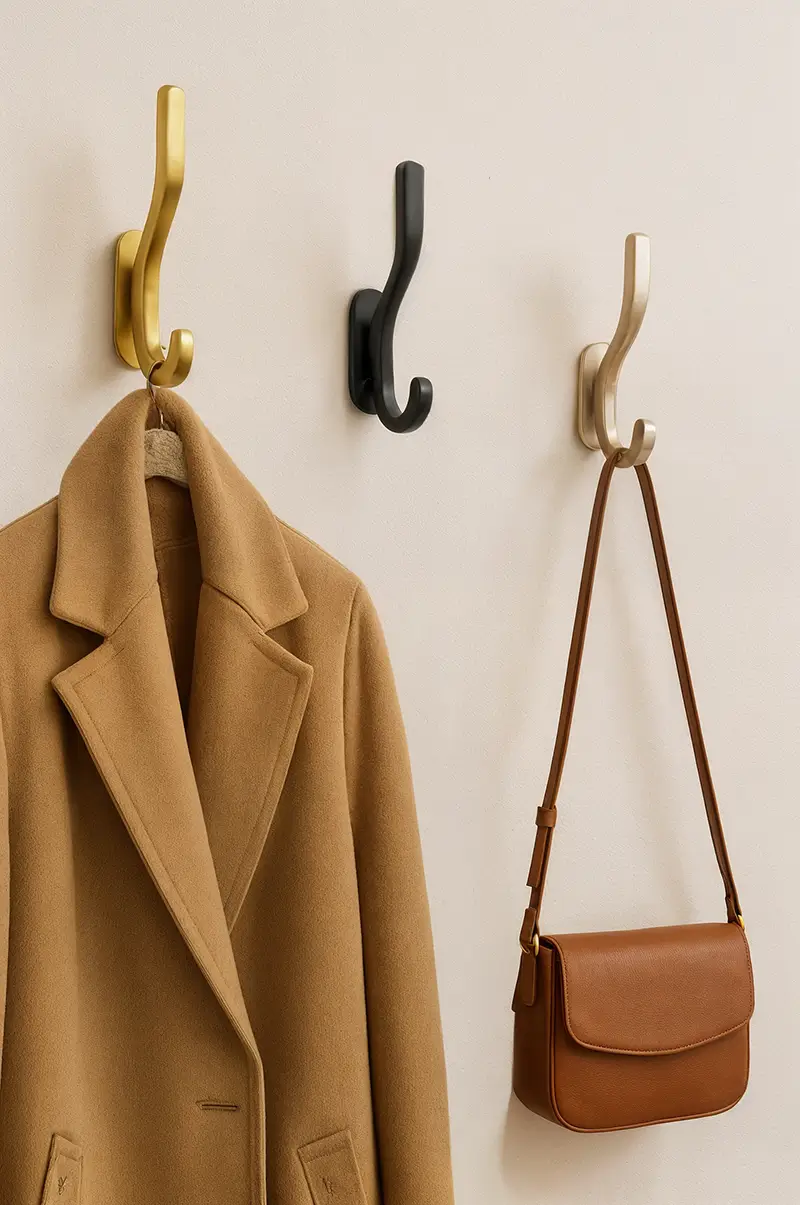
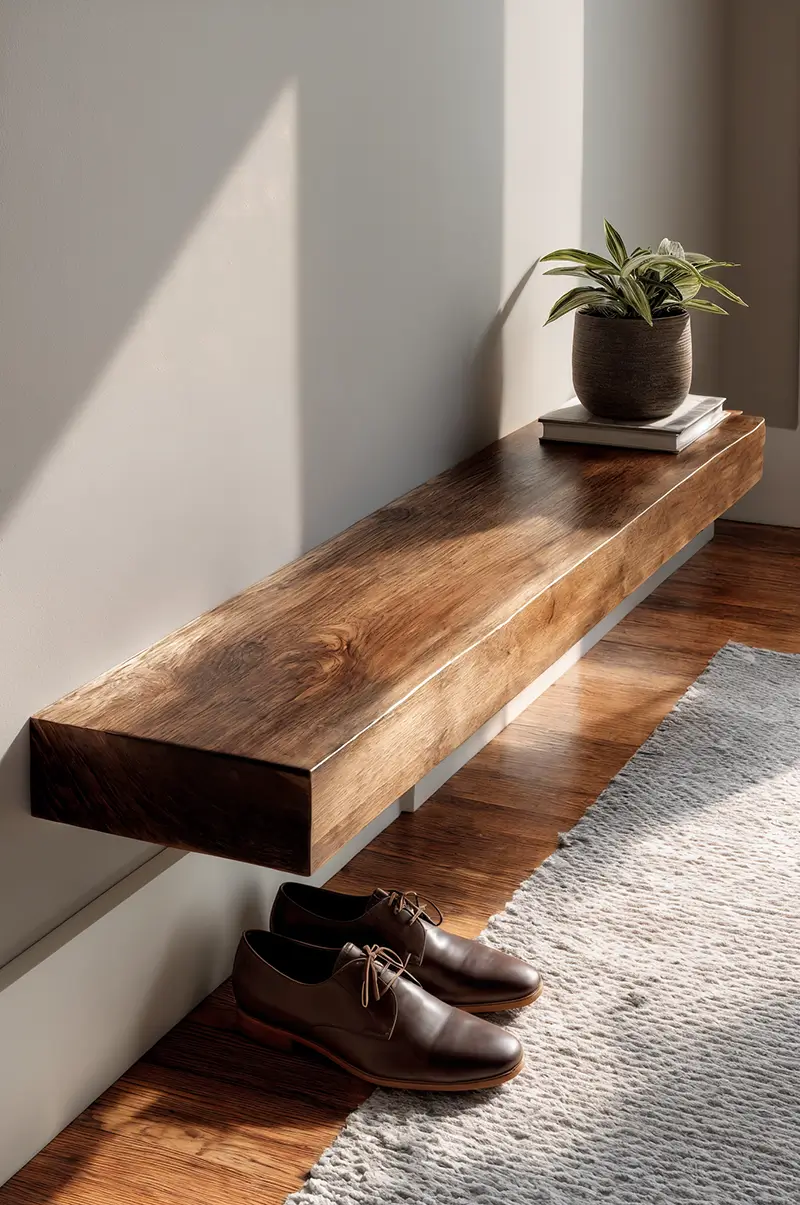
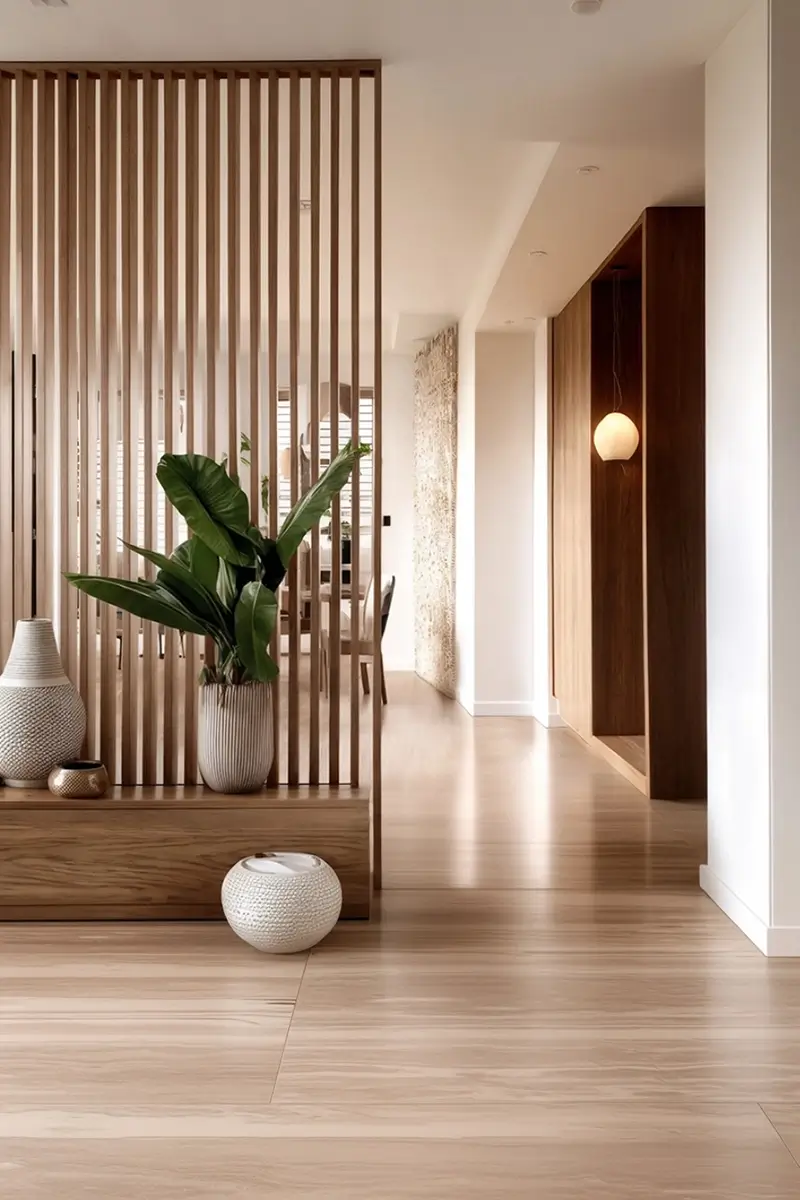
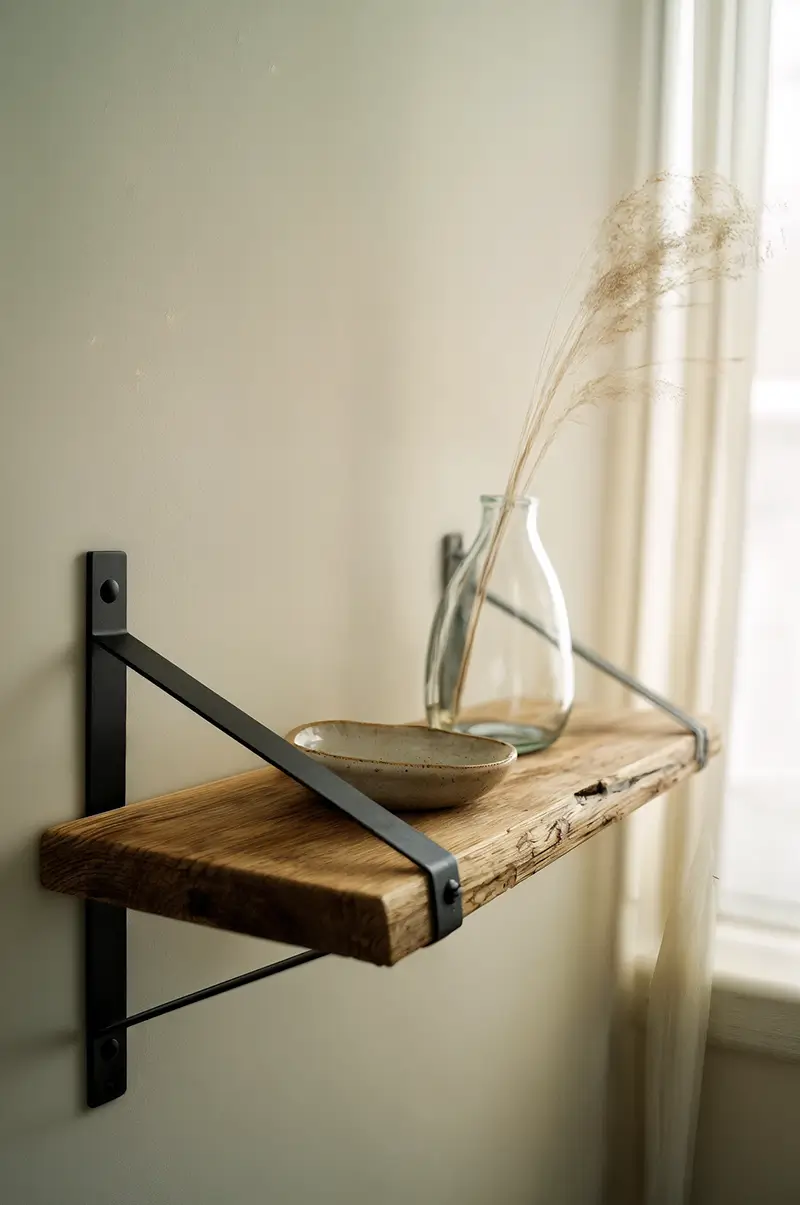
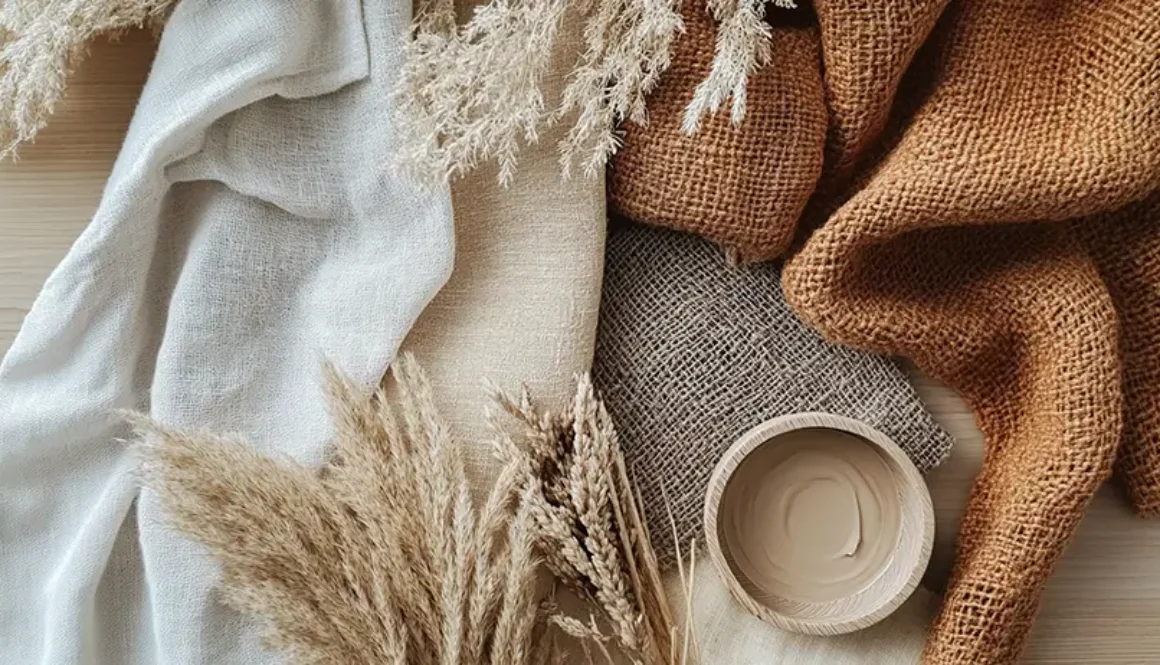
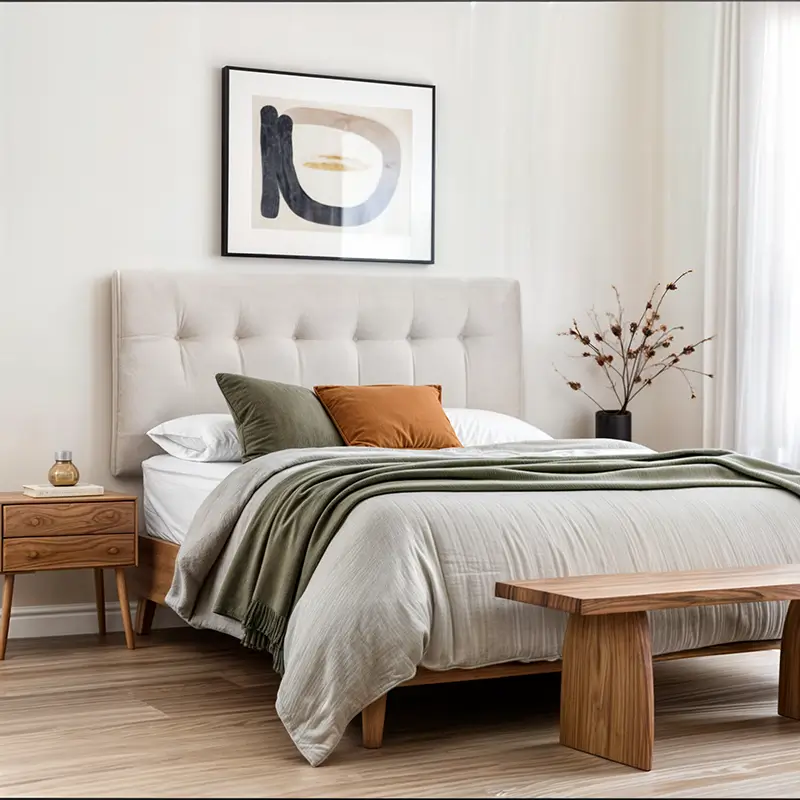
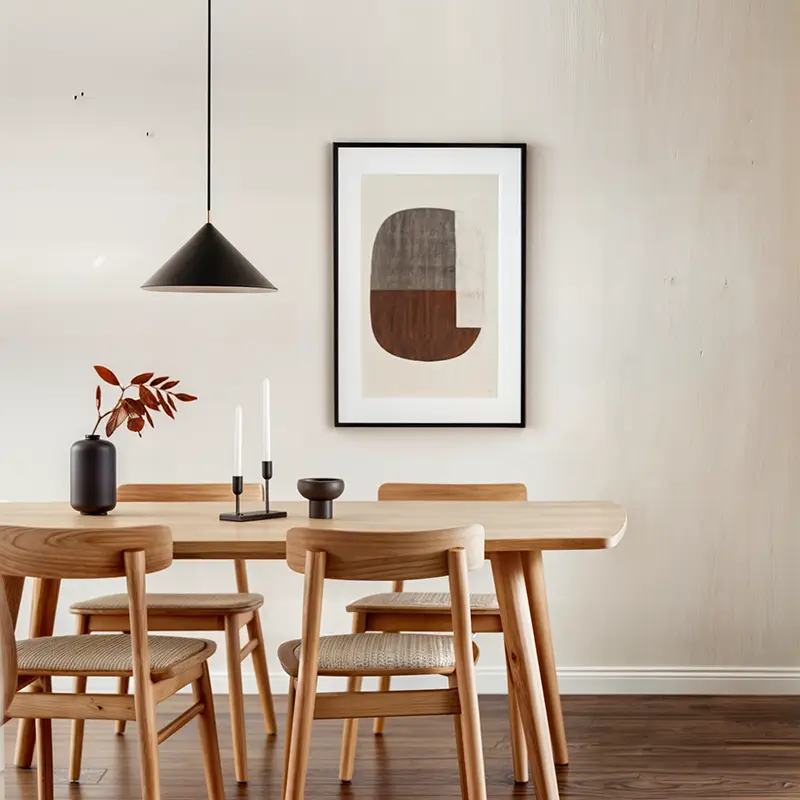
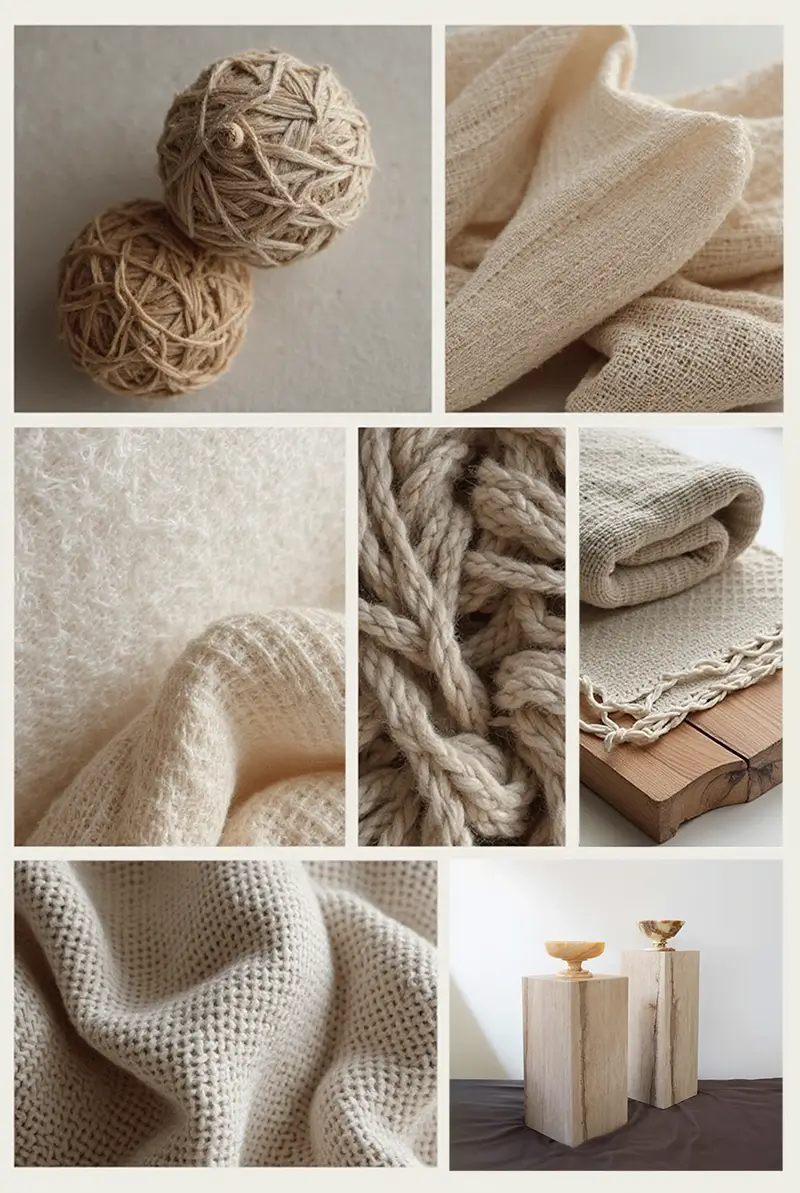
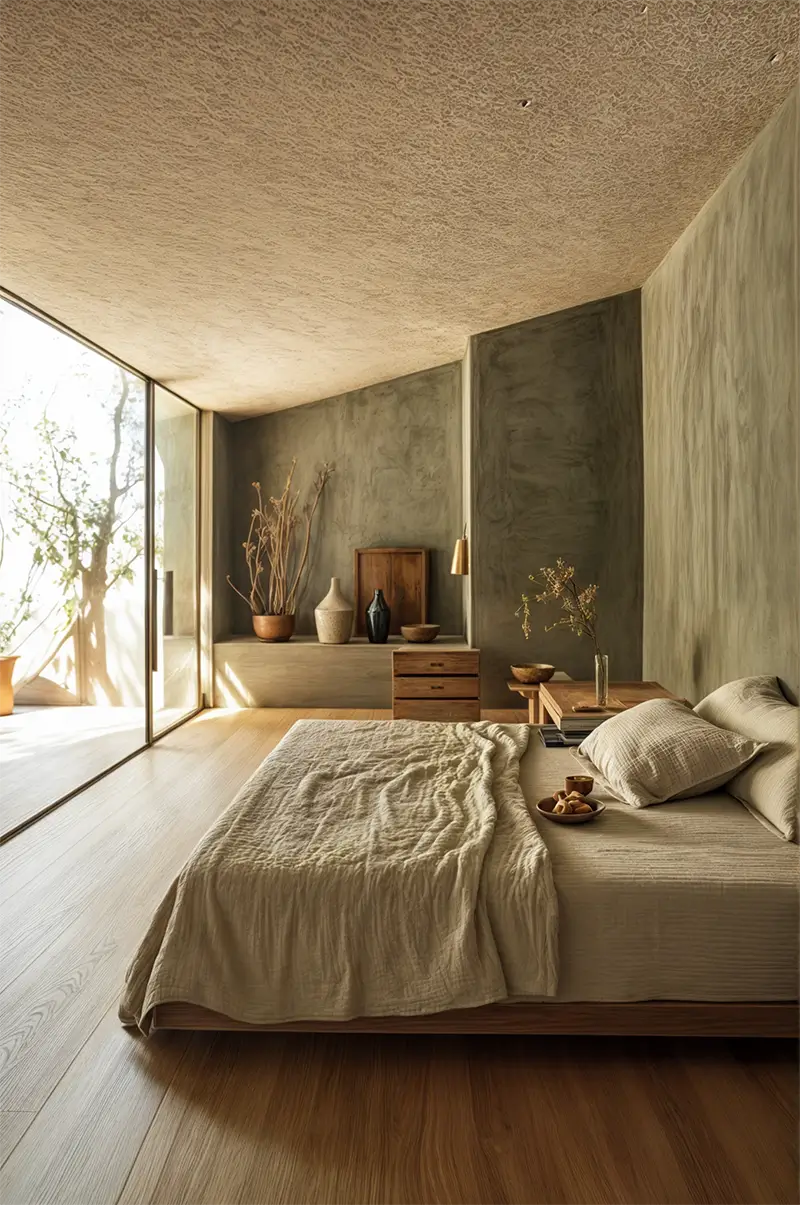
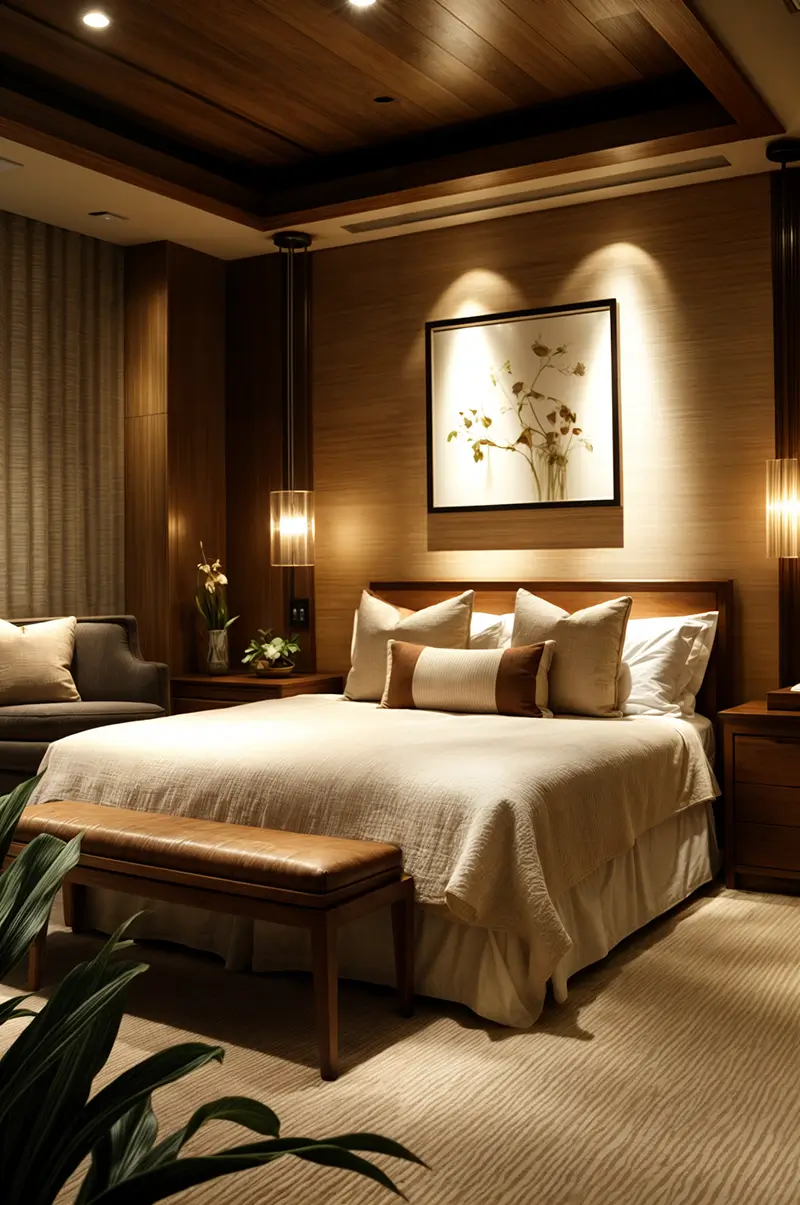
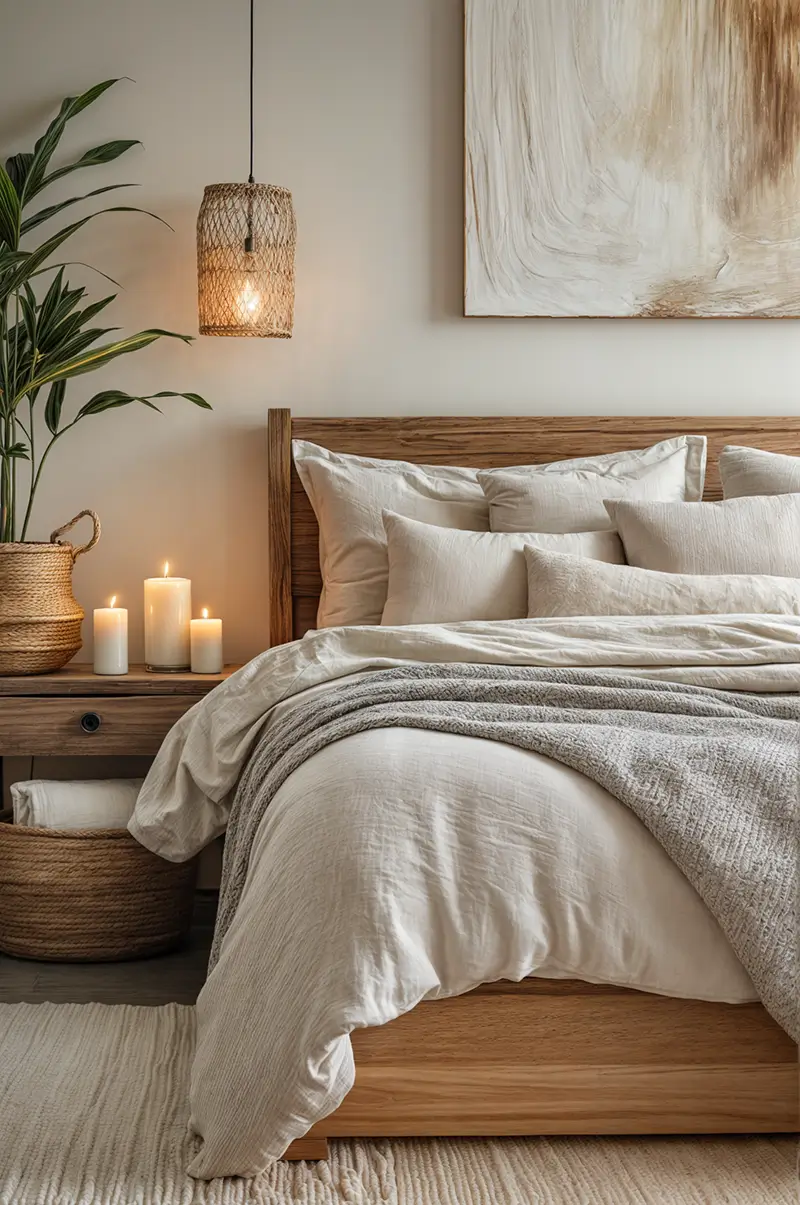
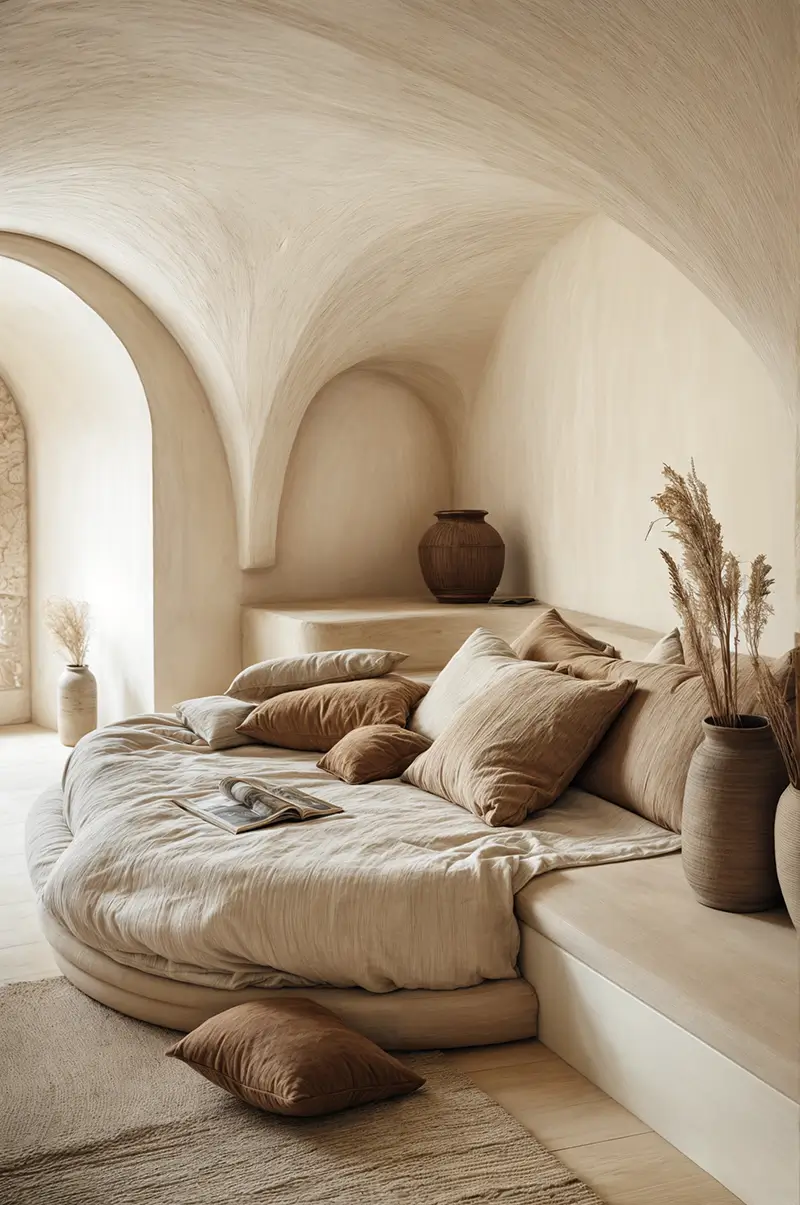
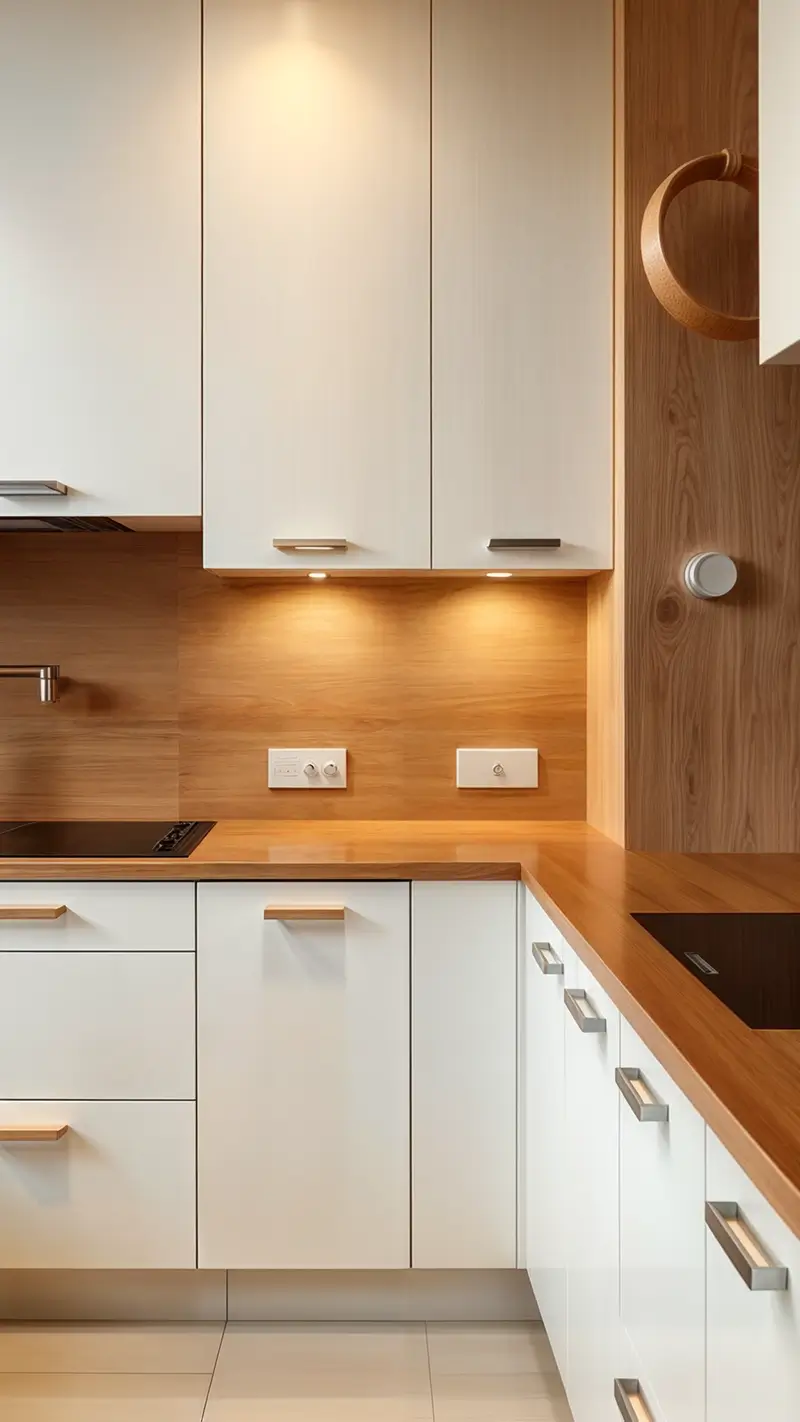
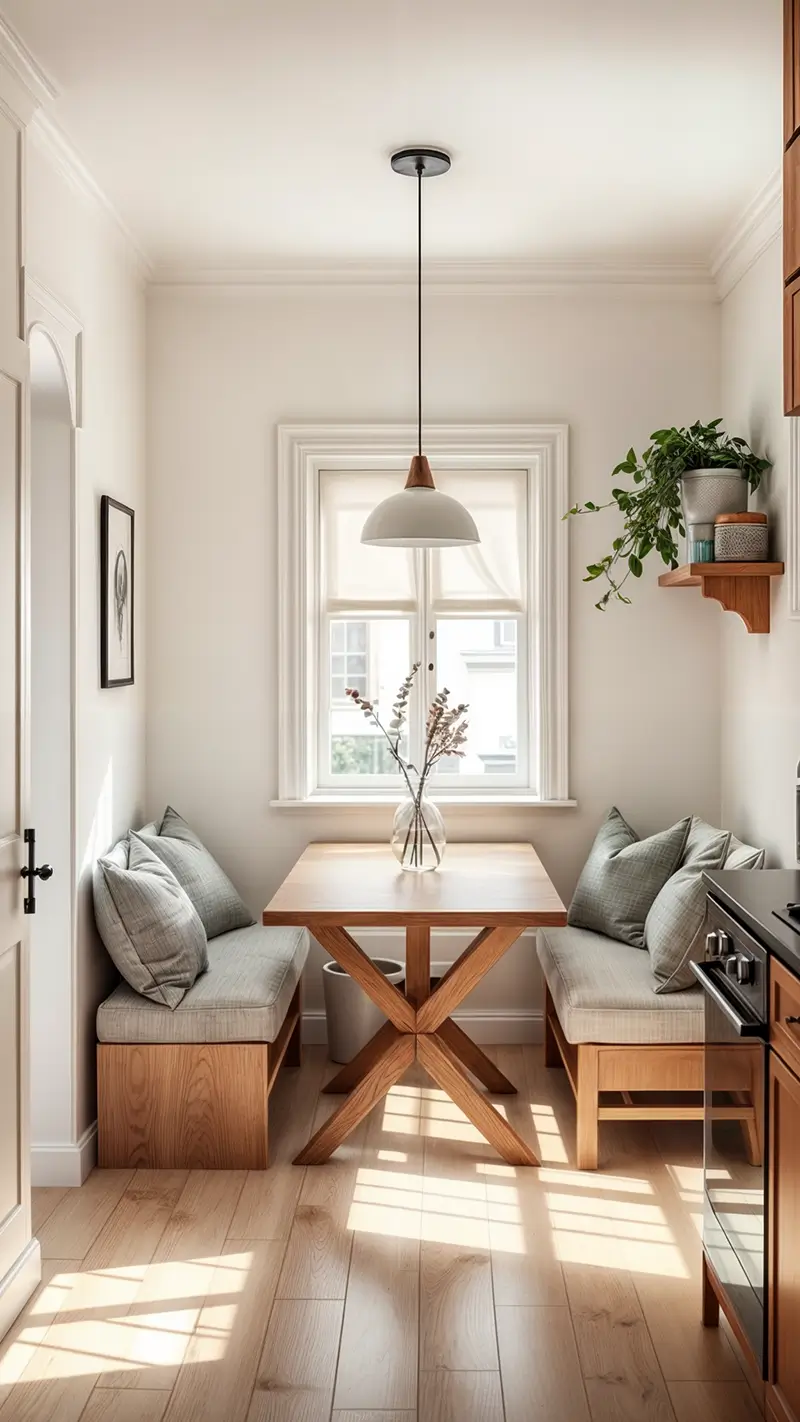
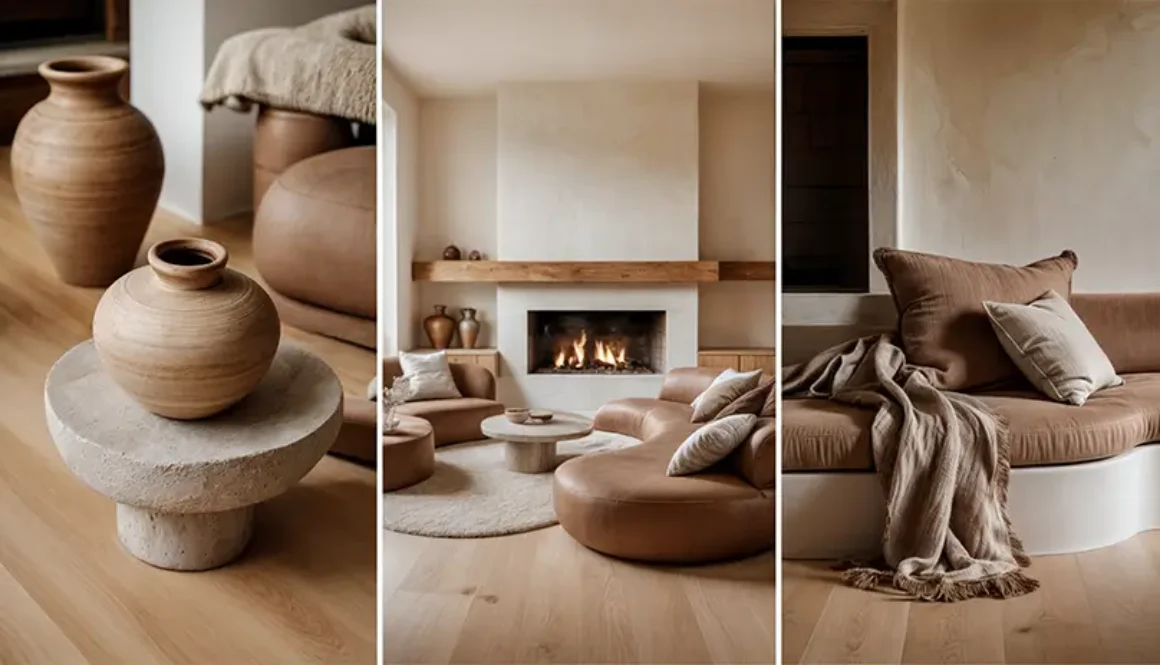
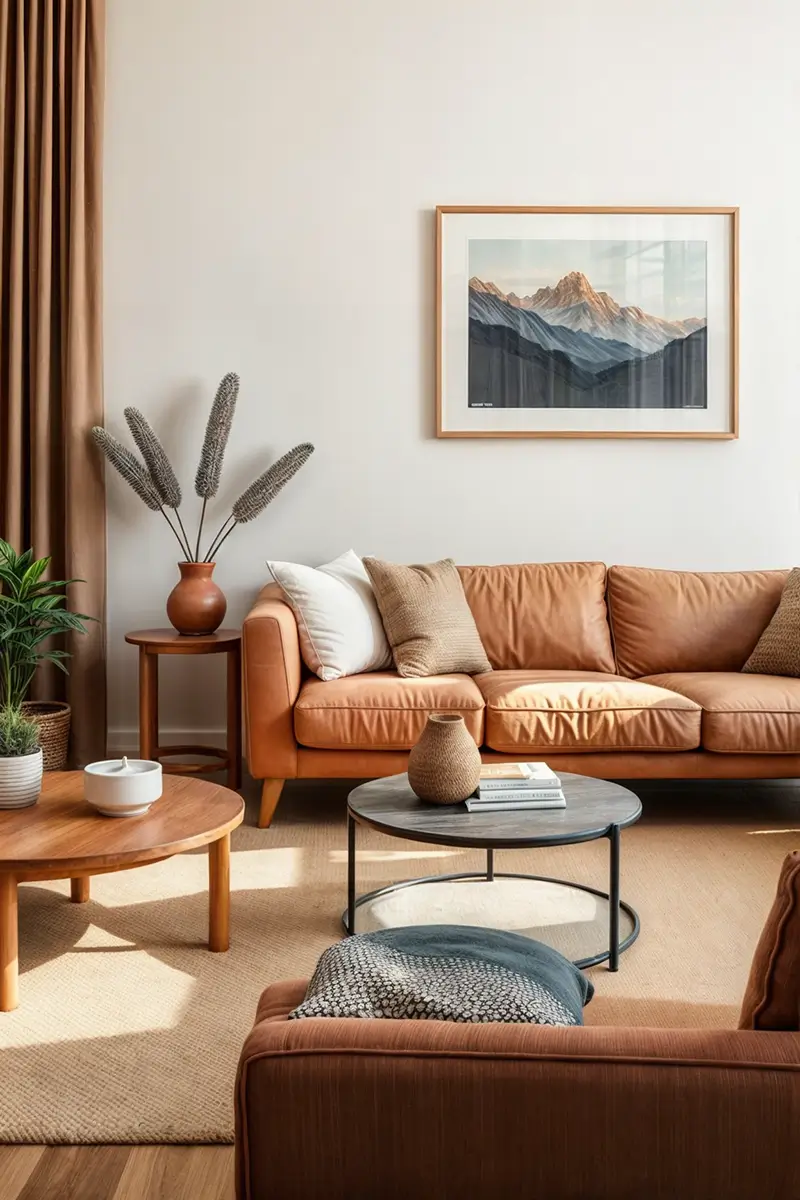
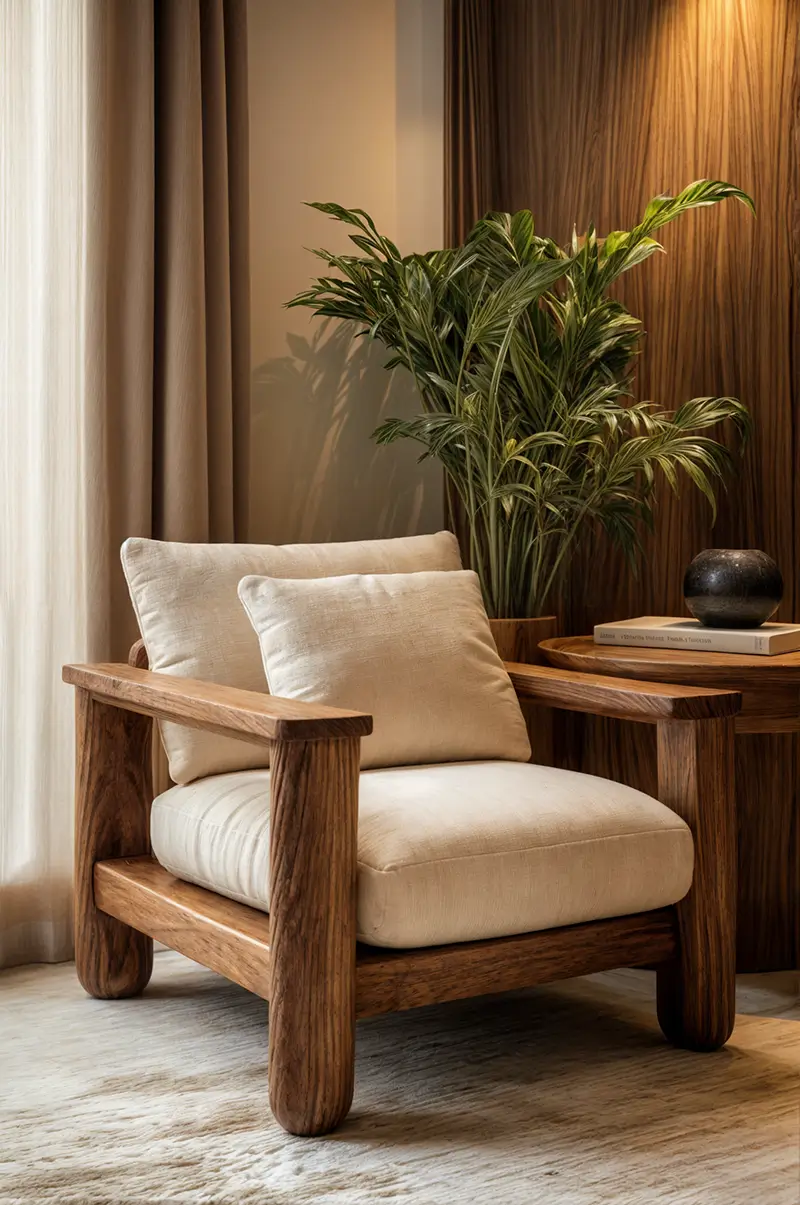
Warm minimalism emphasizes natural, tactile materials such as warm-toned wood, linen, wool, rattan, leather, and stone. These materials add texture and warmth while maintaining the clutter-free aesthetic. The focus shifts from perfection to craftsmanship.
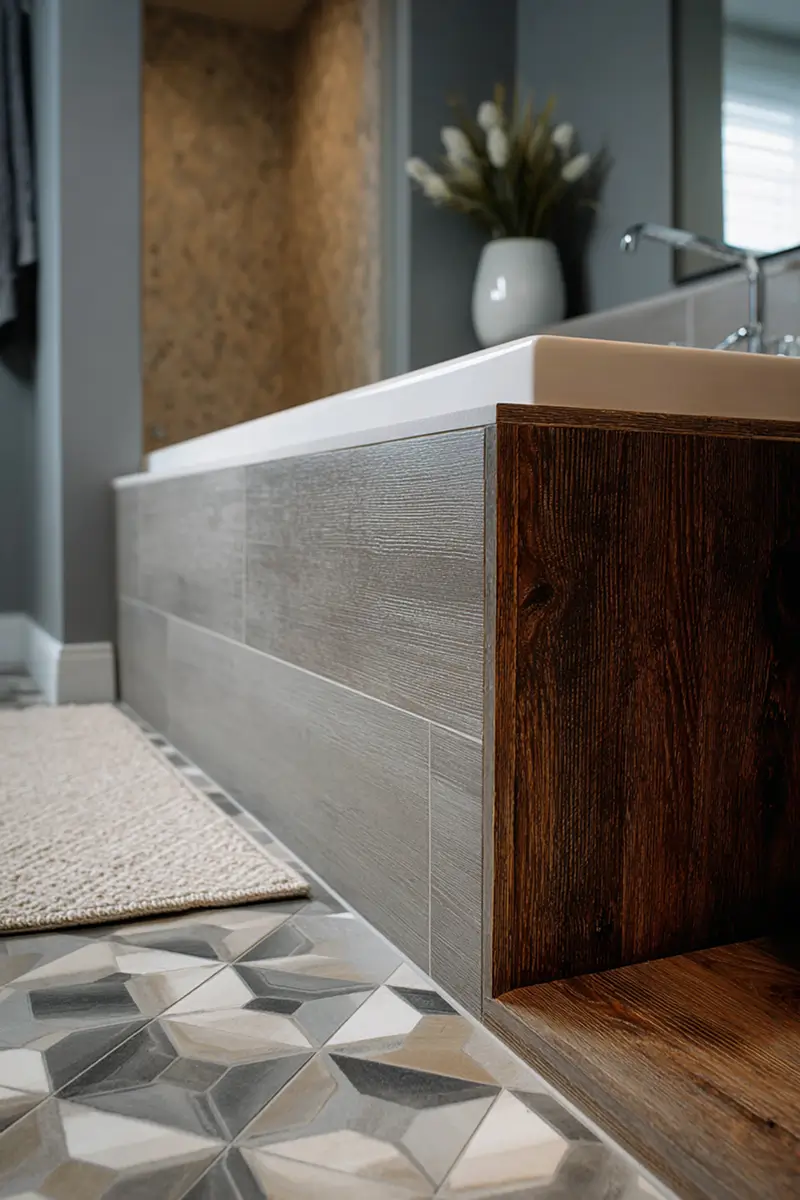
Traditional minimalist interiors often use materials like glass, metal, and concrete, giving a semi-industrial look. In contrast, warm minimalism focuses on more natural and tactile materials.
💡 Pro Tip
Mix both approaches by starting with warm minimalism’s natural materials and warm palette, then add one or two sleek, modern elements like a glass coffee table or chrome lighting fixture. This creates visual interest while maintaining the inviting warmth that makes spaces feel lived-in.
Traditional vs Warm Minimalism: Aesthetic Feel
Traditional minimalism retains clean lines but softens them with organic shapes and layered textures. Highly functional with very clean lines, geometric precision, and an almost clinical or impersonal feel defines the traditional approach. Everything has its place, and personal items are typically tucked away.

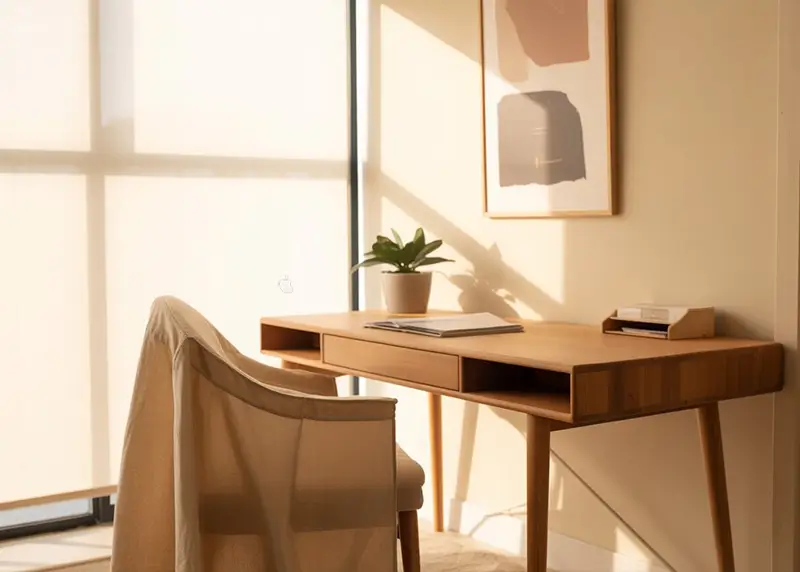
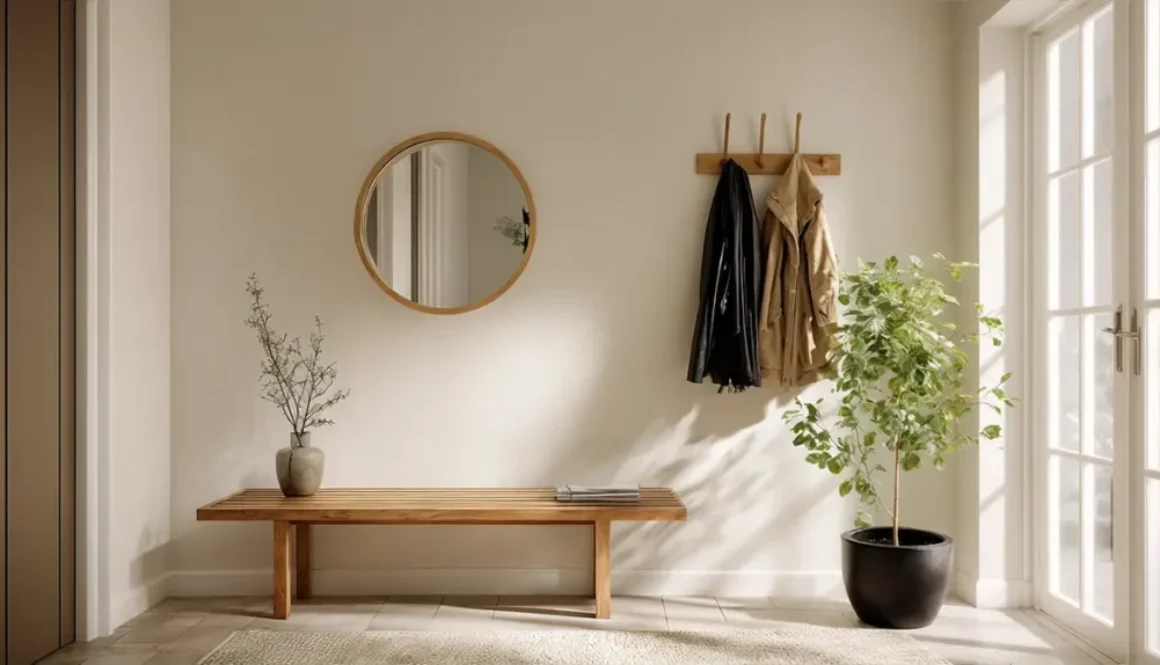
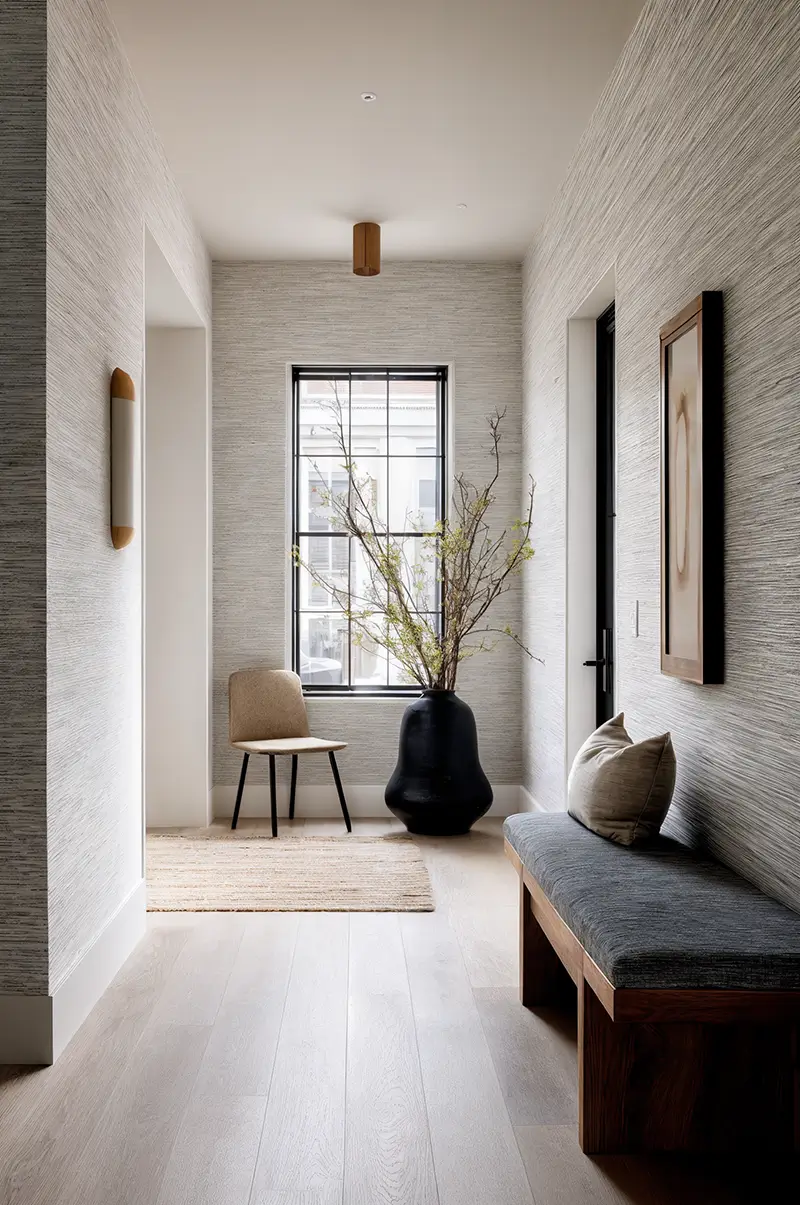
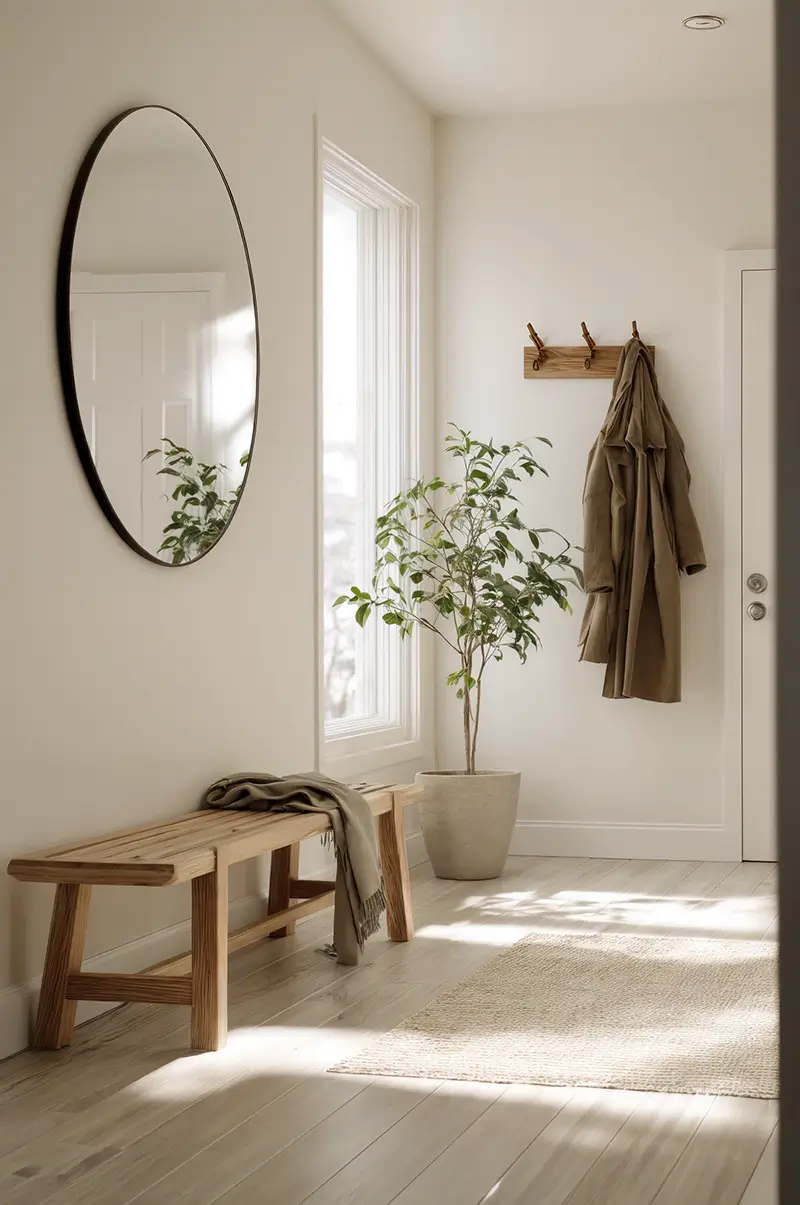
Warm minimalism retains clean lines but softens them with organic shapes and layered textures. It feels serene, cozy, and “lived-in” while allowing for carefully curated, meaningful personal items and greenery. The space invites you to stay.
Traditional minimalism can come across as cold and uninviting, which is probably not the atmosphere you want to create in your home. Warm minimalism solves this by bringing in layers of warmth and personality without sacrificing simplicity.
Traditional vs Warm Minimalism: Lighting Approaches
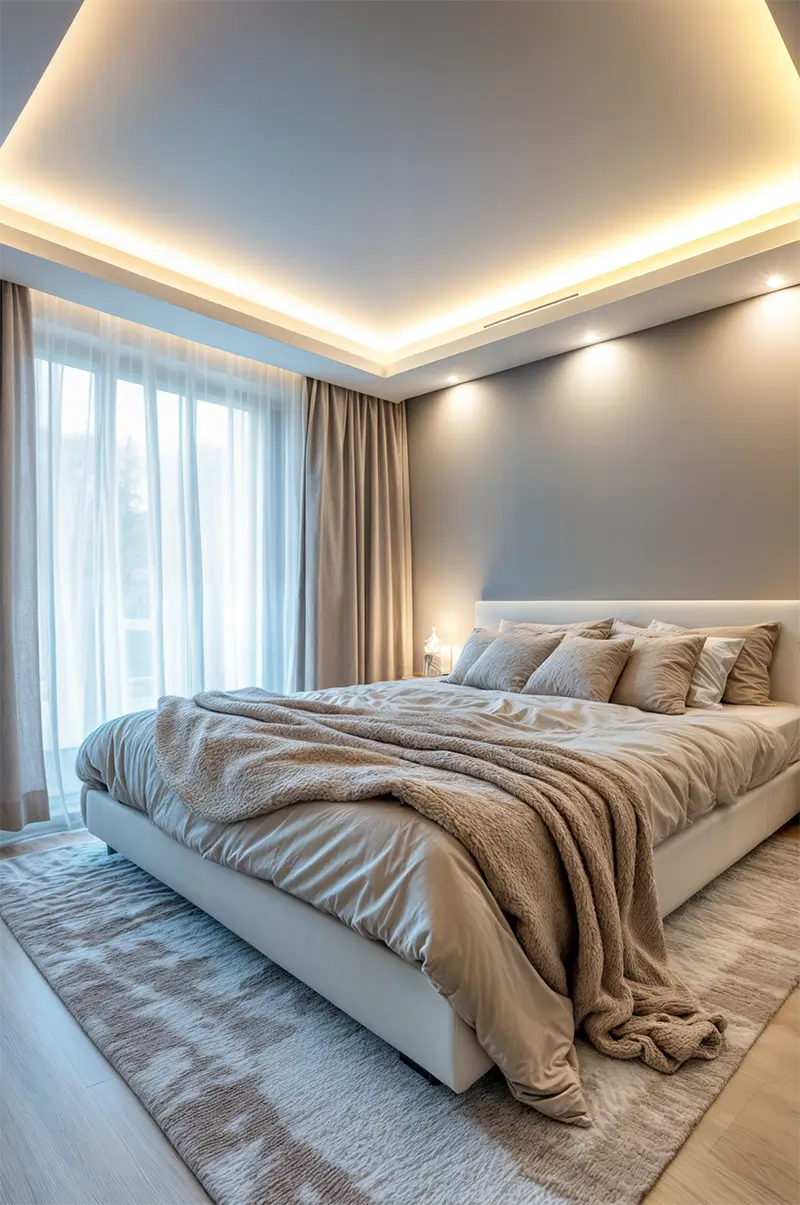
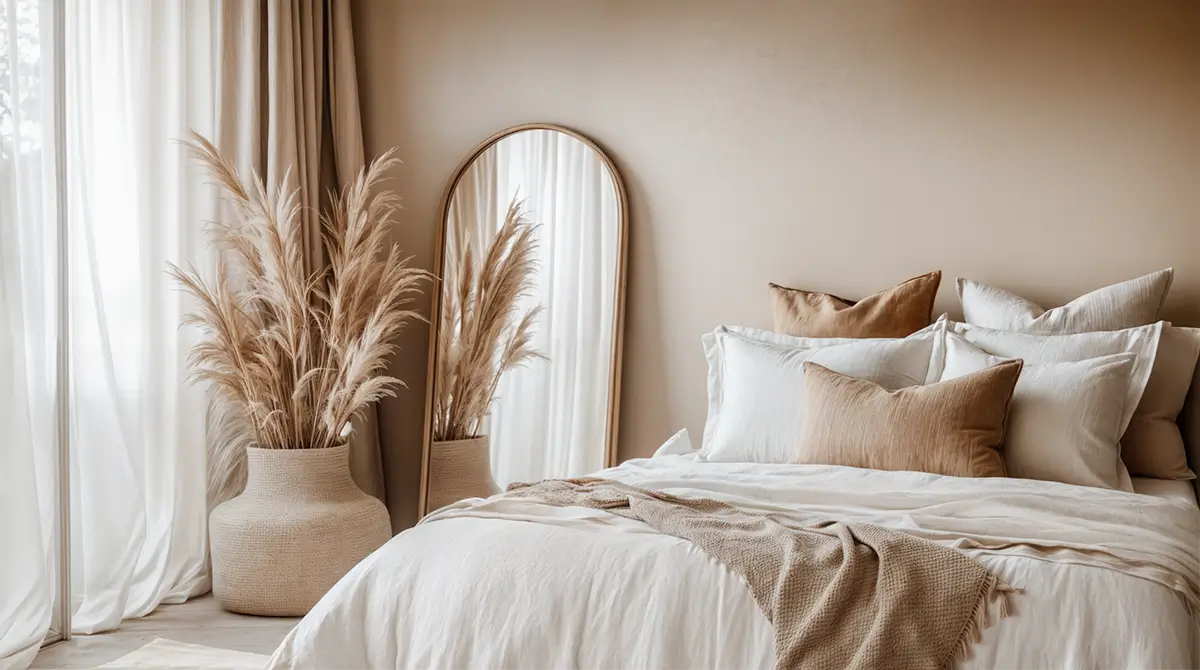
Lighting reveals another fundamental difference. Traditional minimalism often relies heavily on natural light and sometimes harsh, focused artificial light to emphasize architectural lines. The goal is clarity and visibility without decorative fixtures competing for attention.
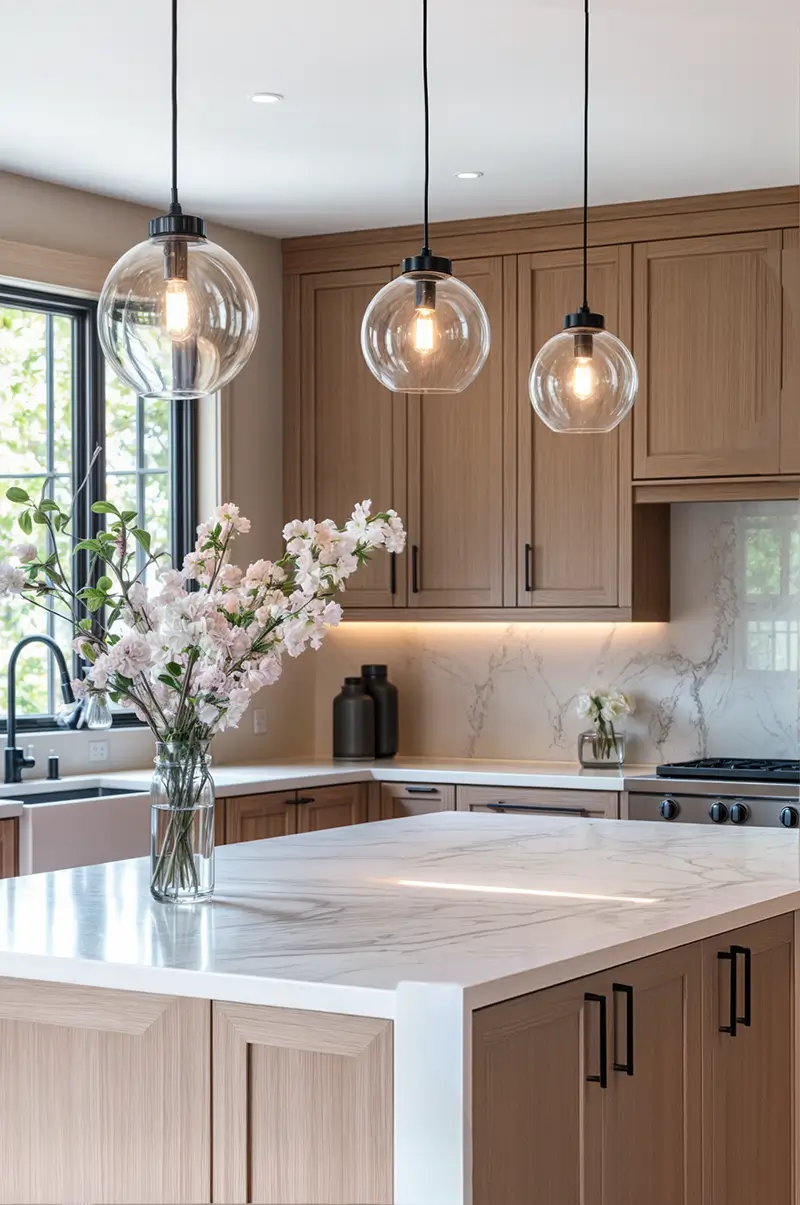
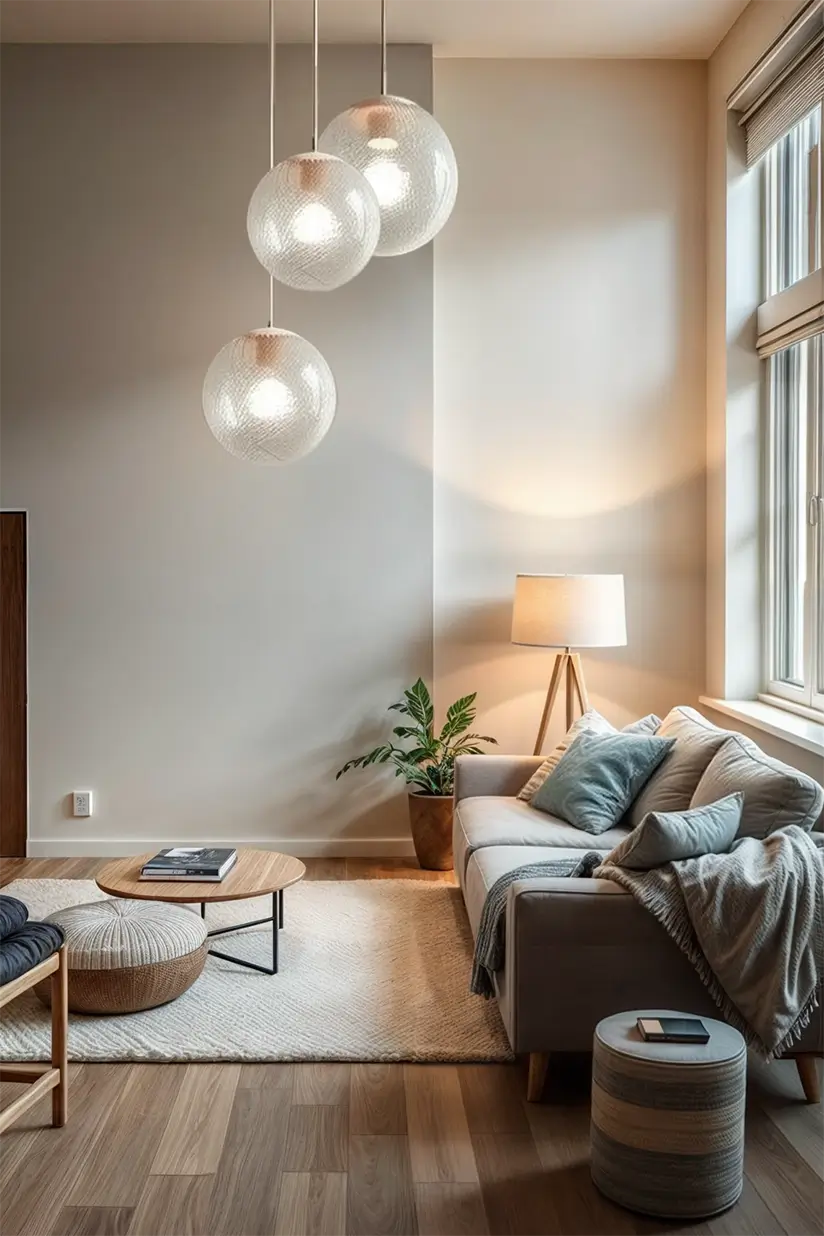
Warm minimalism utilizes warm-toned ambient light, diffused sources, and natural light to create a soft, soothing atmosphere. Lighting becomes part of the layering strategy—table lamps with linen shades, wall sconces with warm bulbs, and pendant lights made from natural materials all contribute to the inviting feeling.
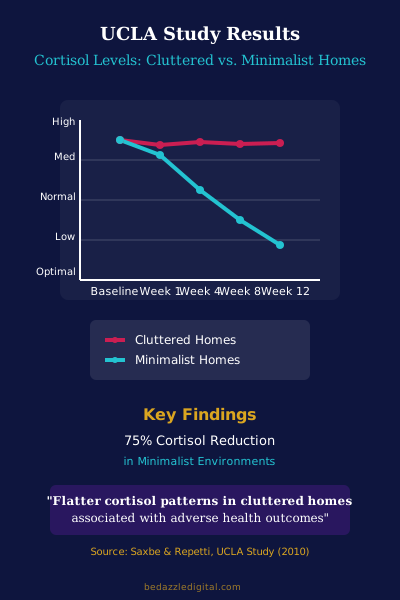
According to studies, harsh, cool lighting can increase cortisol levels, while warm, layered lighting helps your nervous system relax. This biological response is one reason warm minimalism has gained traction among people prioritizing wellbeing.
Traditional vs Warm Minimalism: Personal Items and Decor [Minimal vs Curated]
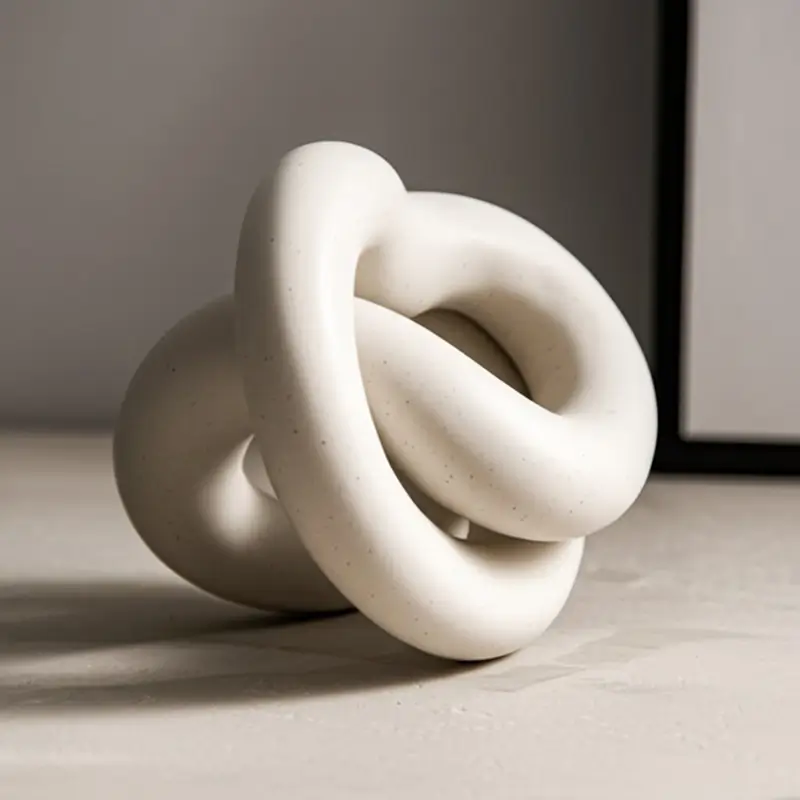
Perhaps the most meaningful difference emerges in how each style treats personal belongings. Traditional minimalism keeps decor minimal—often just a single piece of art or a sculptural object. Personal items are kept out of sight to maintain visual purity.
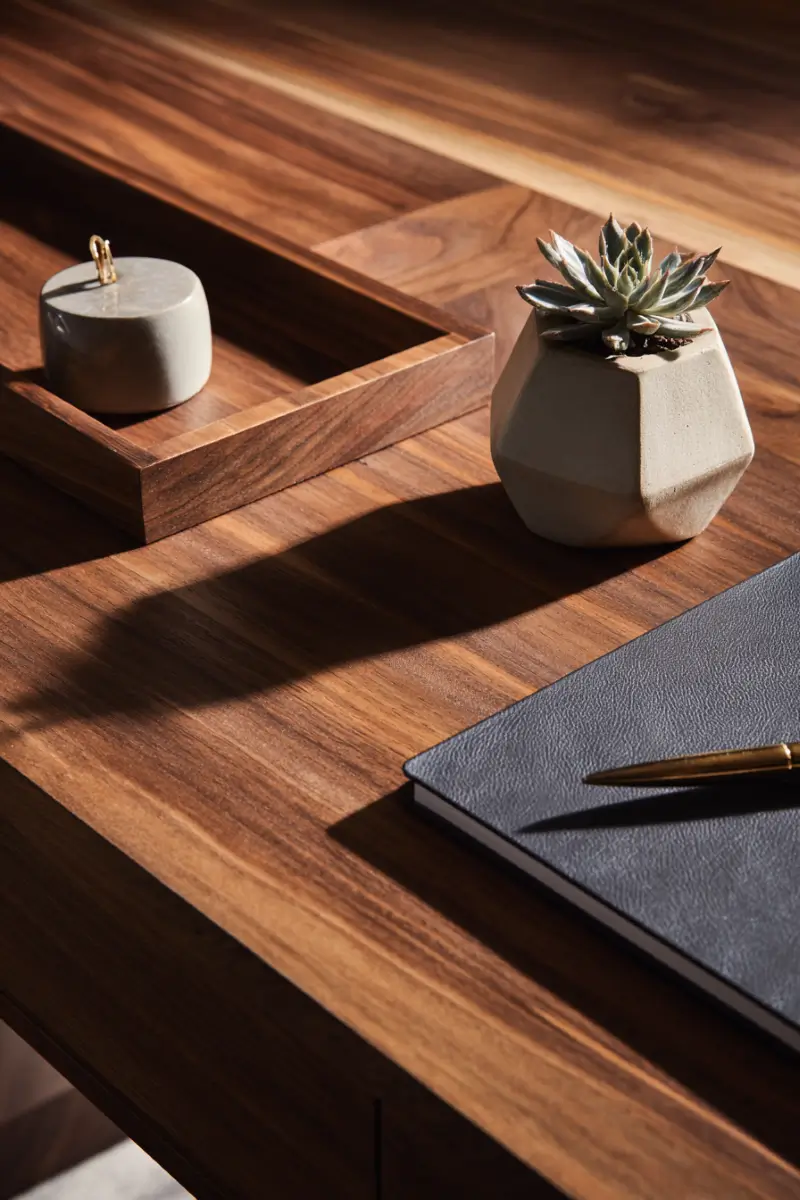
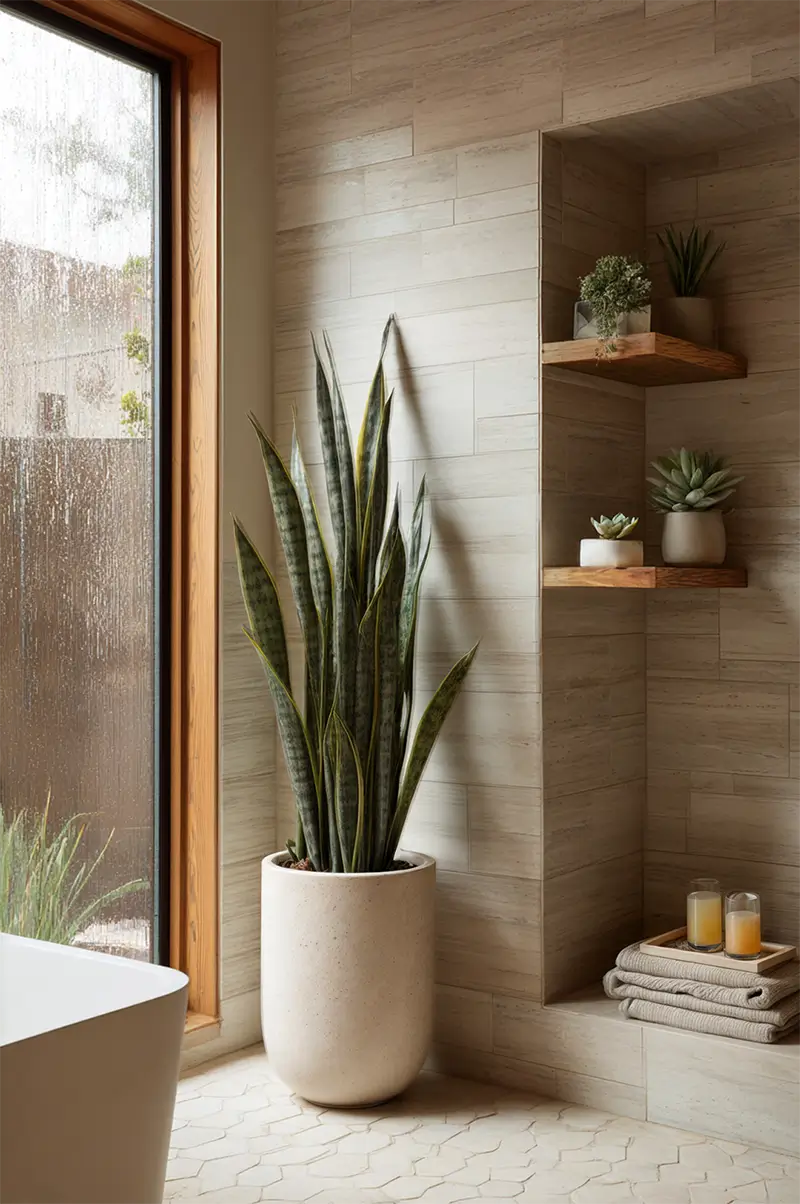
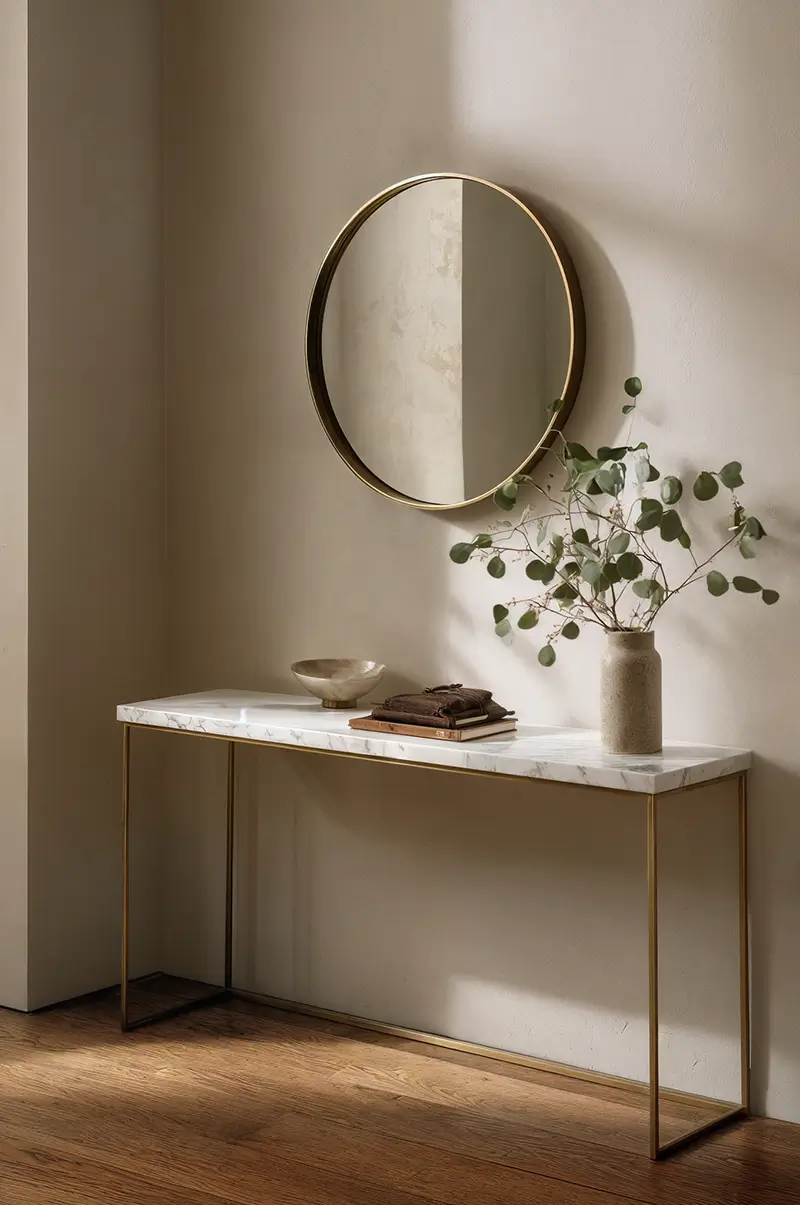
Warm minimalism allows for curated, intentional personal touches and greenery. A few carefully chosen accessories—a favorite piece of art, an heirloom, family photographs, or meaningful objects—make the room feel personal without creating clutter. Plants become essential elements, bringing life and natural texture to the space.
“Minimalism is driven by a less-is-more philosophy, with few adornments which can sometimes result in a stark, impersonal feel,” explains Moores Interiors. “The addition of a few, carefully chosen accessories, however, is pivotal to creating a warm minimalist interior.”
Traditional vs Warm Minimalism: Shapes and Lines [Geometric vs Organic]
Formal characteristics differ significantly. Traditional minimalism emphasizes primarily sharp, geometric lines with very little softness or curvature. Furniture and architecture maintain rigid geometry, creating visual precision that some find calming and others find cold.
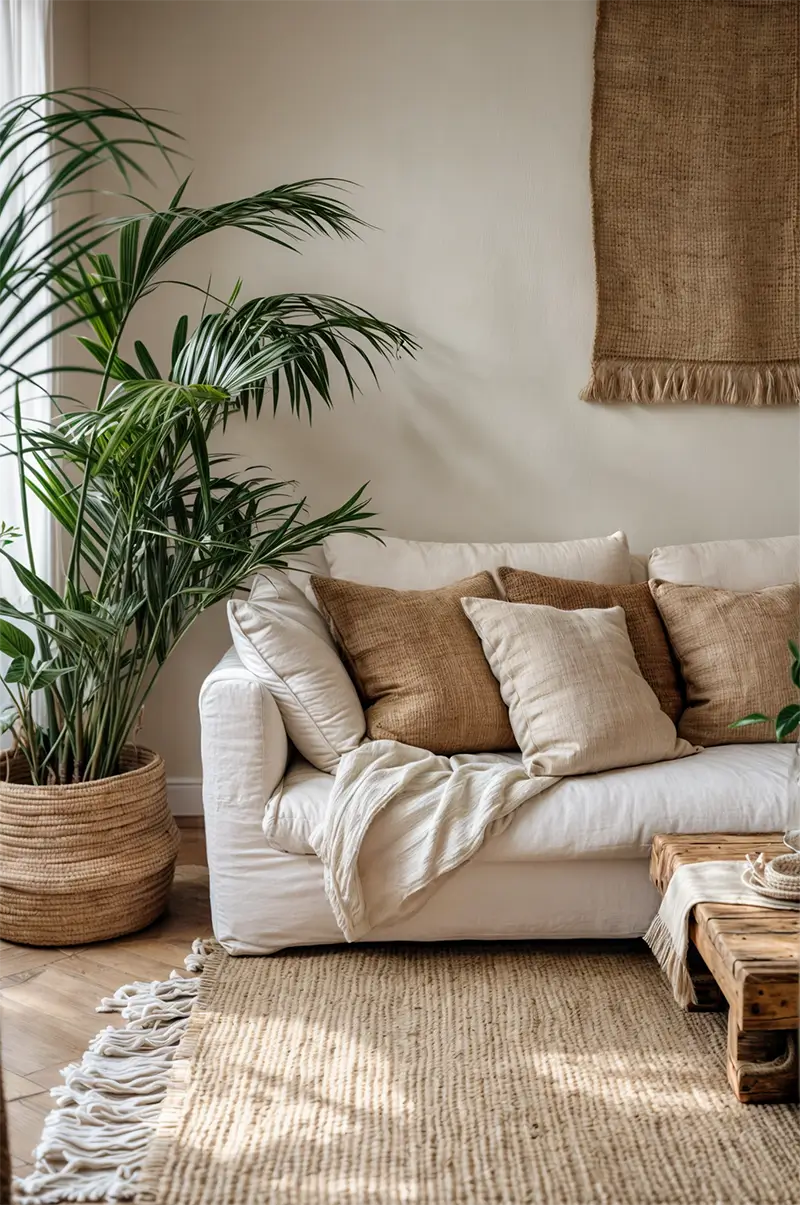
Warm minimalism blends clean lines with soft, organic shapes. A sofa might have clean-lined arms but feature rounded cushions. Tables combine geometric bases with organic wood tops. This mix creates visual interest while maintaining the uncluttered aesthetic.
Your brain processes these shapes differently. Sharp angles require more cognitive processing and can create subtle tension, while organic curves feel more natural and restful. Warm minimalism’s blend gives your eyes both structure and softness.
🔬 Research Note
Studies in environmental psychology show that spaces with natural materials and warm color temperatures can reduce cortisol levels by up to 15% compared to stark, cool environments. Your home’s aesthetic isn’t just about style—it directly affects your stress response and overall wellbeing.
Traditional vs Warm Minimalism Living Rooms
Traditional Minimalism in Living Rooms
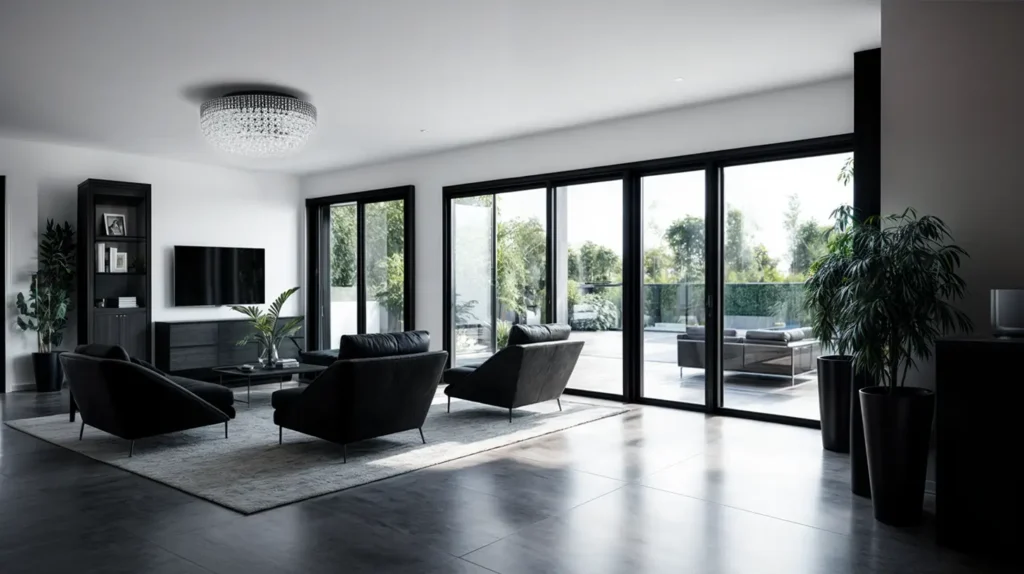
A traditional minimalist living room features a monochromatic palette with white or light gray walls, a sleek leather or fabric sofa in black or gray, and minimal furniture—perhaps just a low-profile coffee table and a single floor lamp. Art, if present, consists of abstract geometric pieces in black and white. The space feels intentionally empty, almost museum-like.
Storage is completely concealed. Electronics disappear behind cabinet doors. The room offers visual calm through absence, creating a contemplative space that some find liberating and others find unwelcoming.
Warm Minimalism in Living Rooms
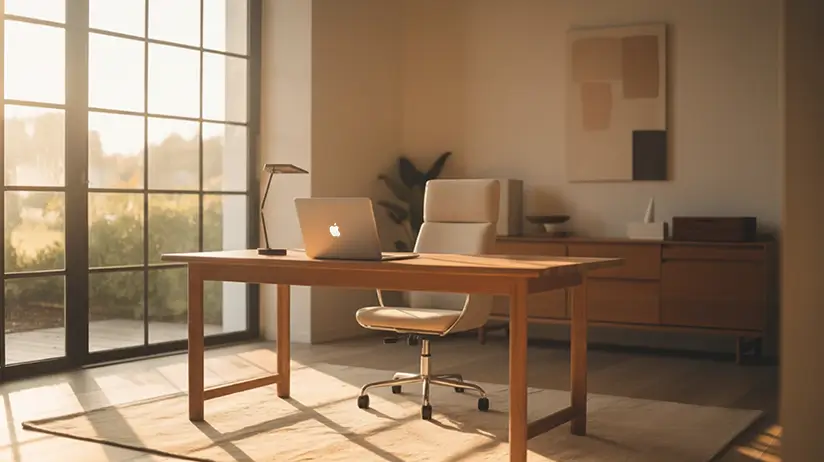
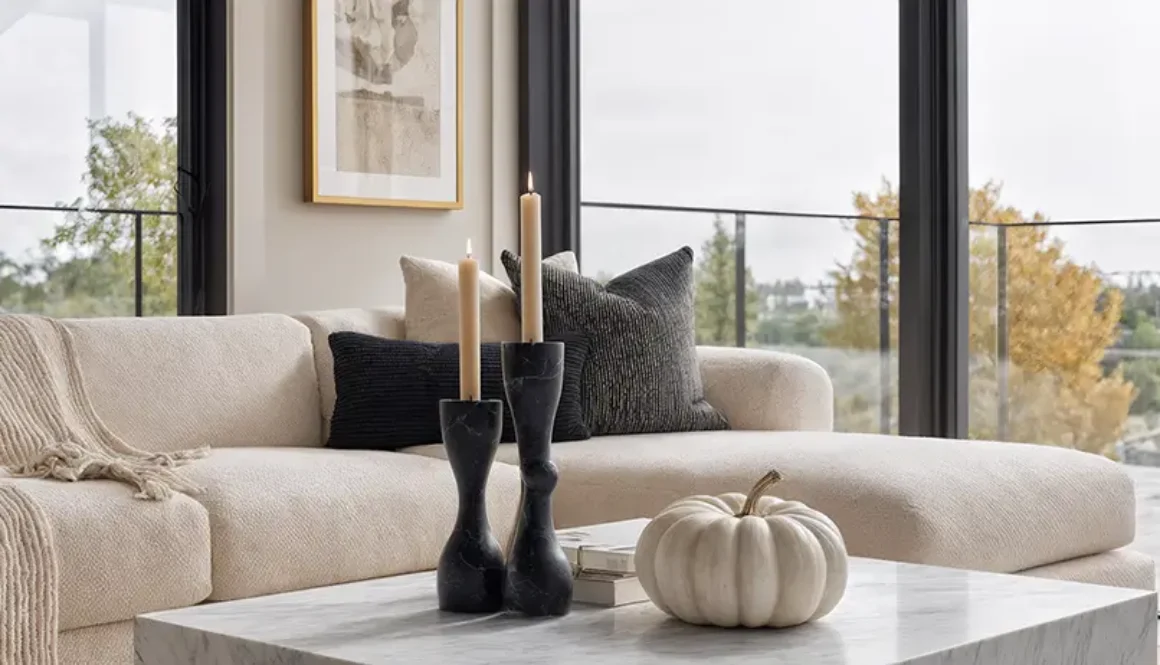
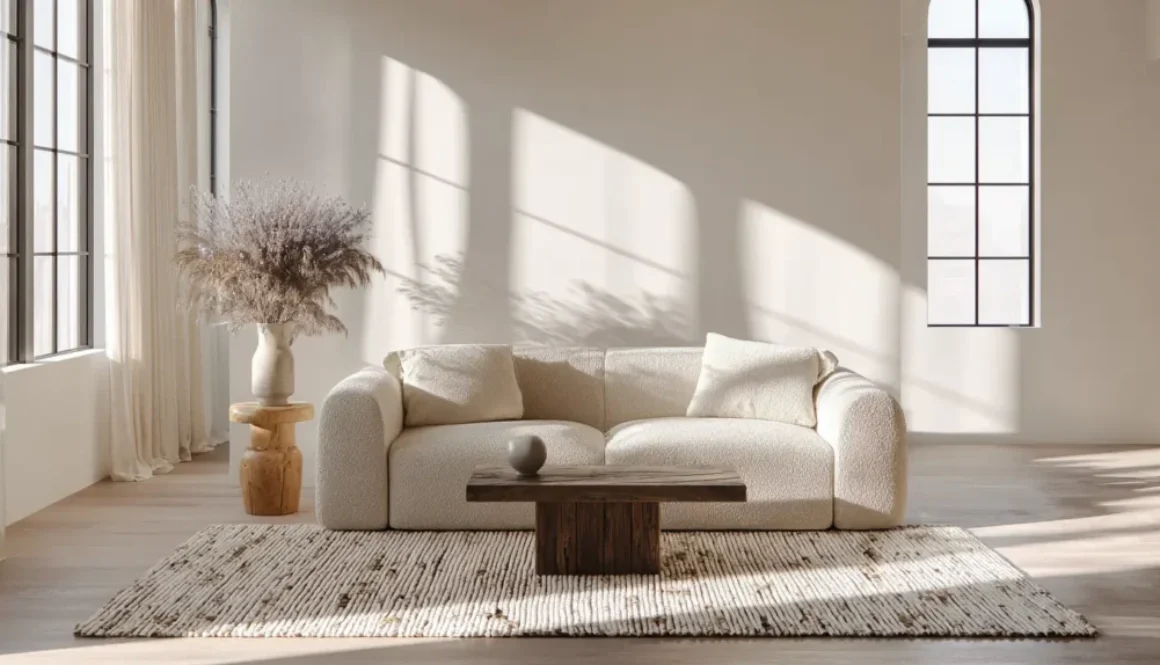
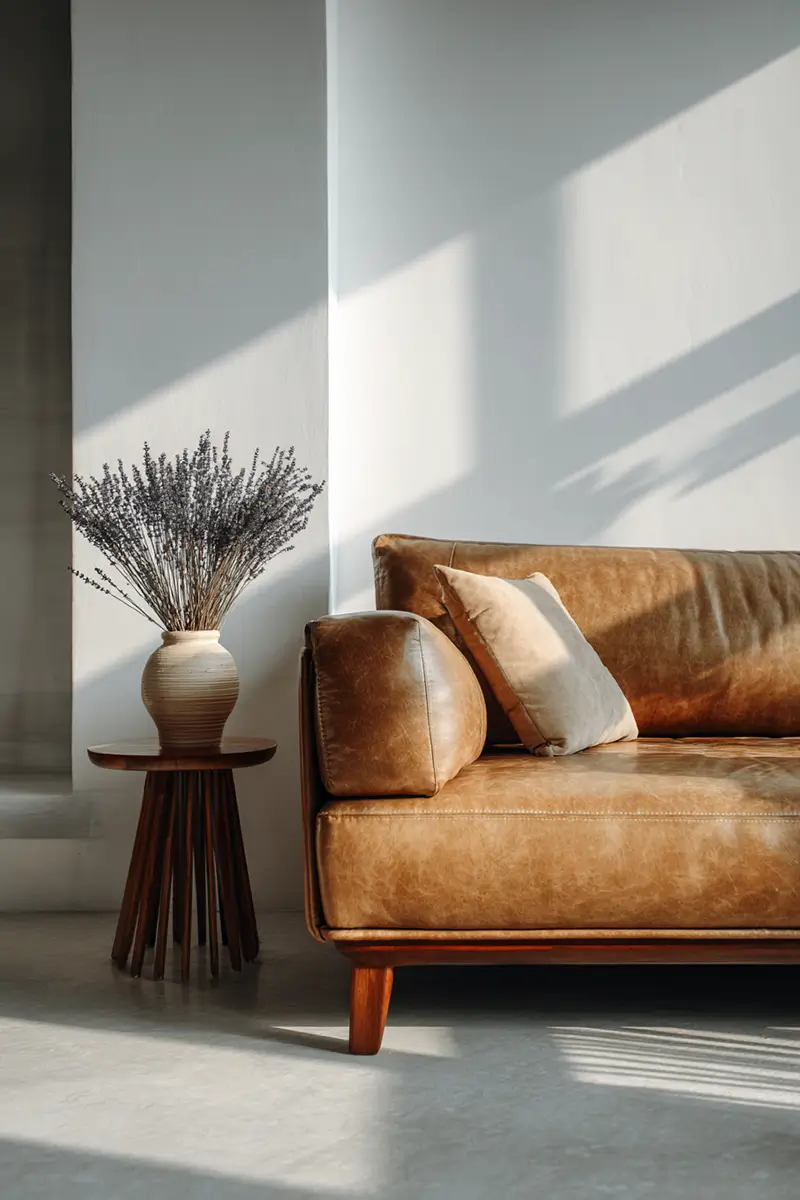
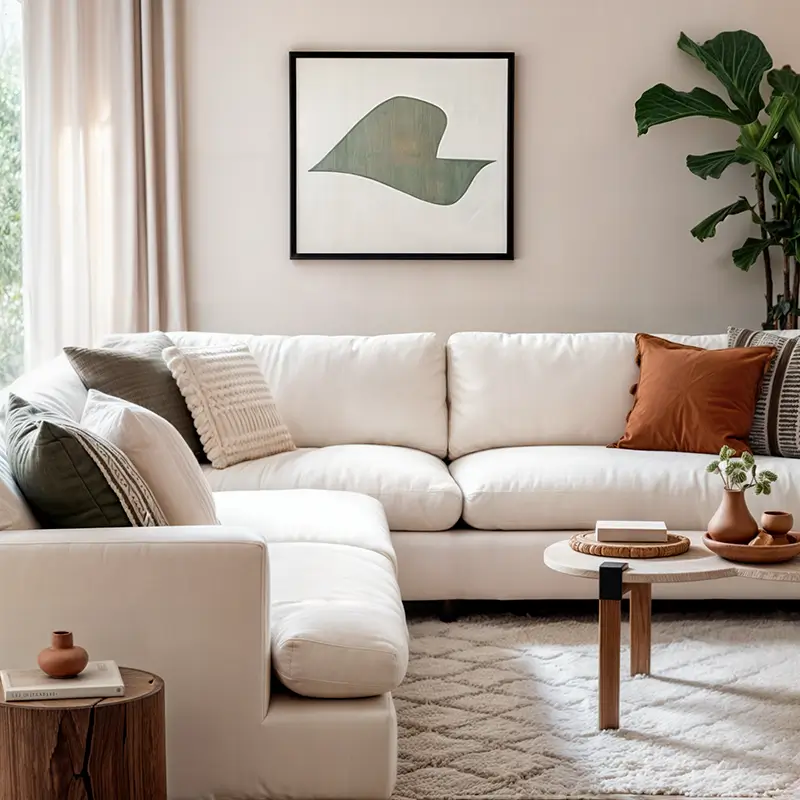
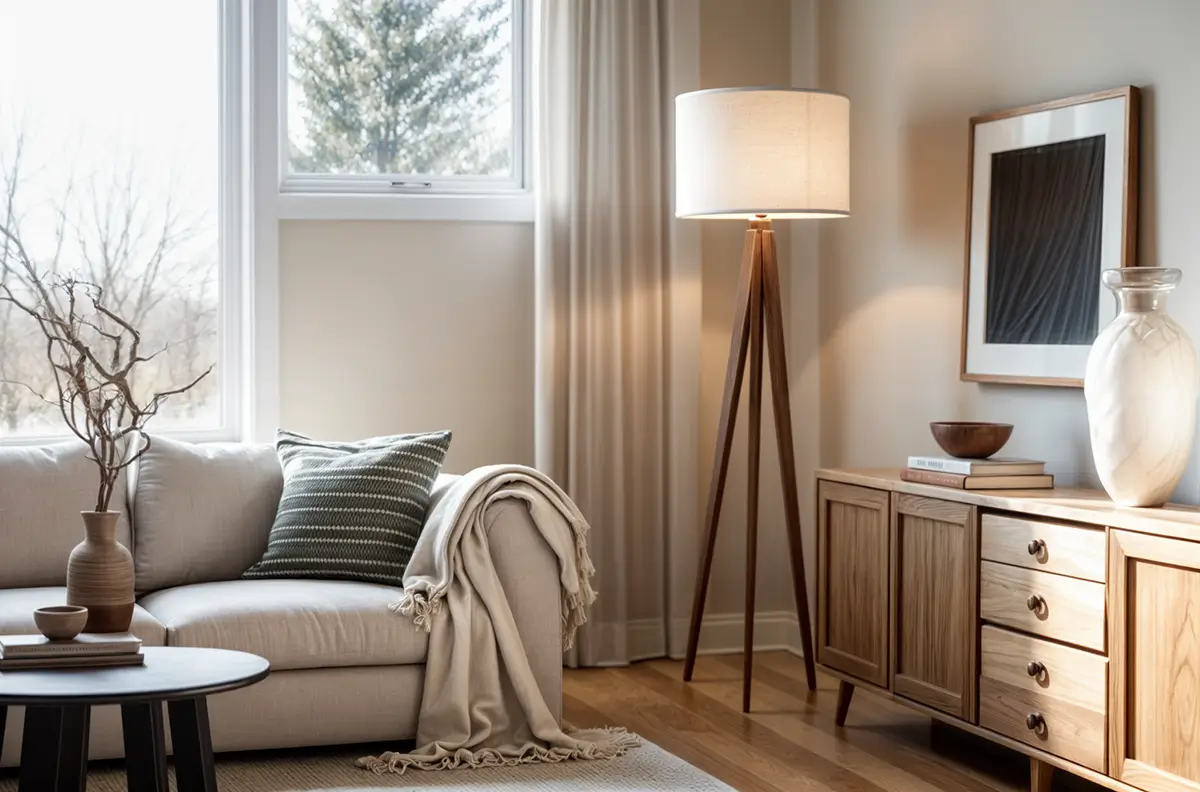
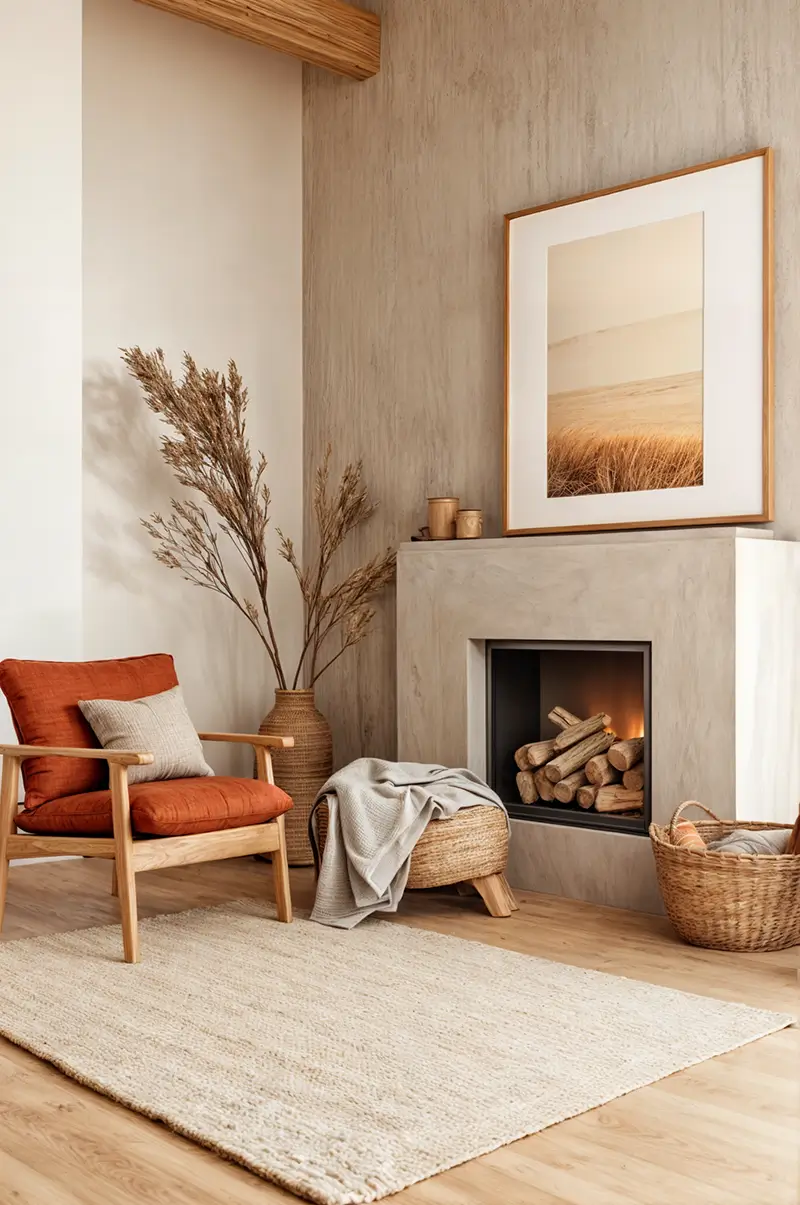
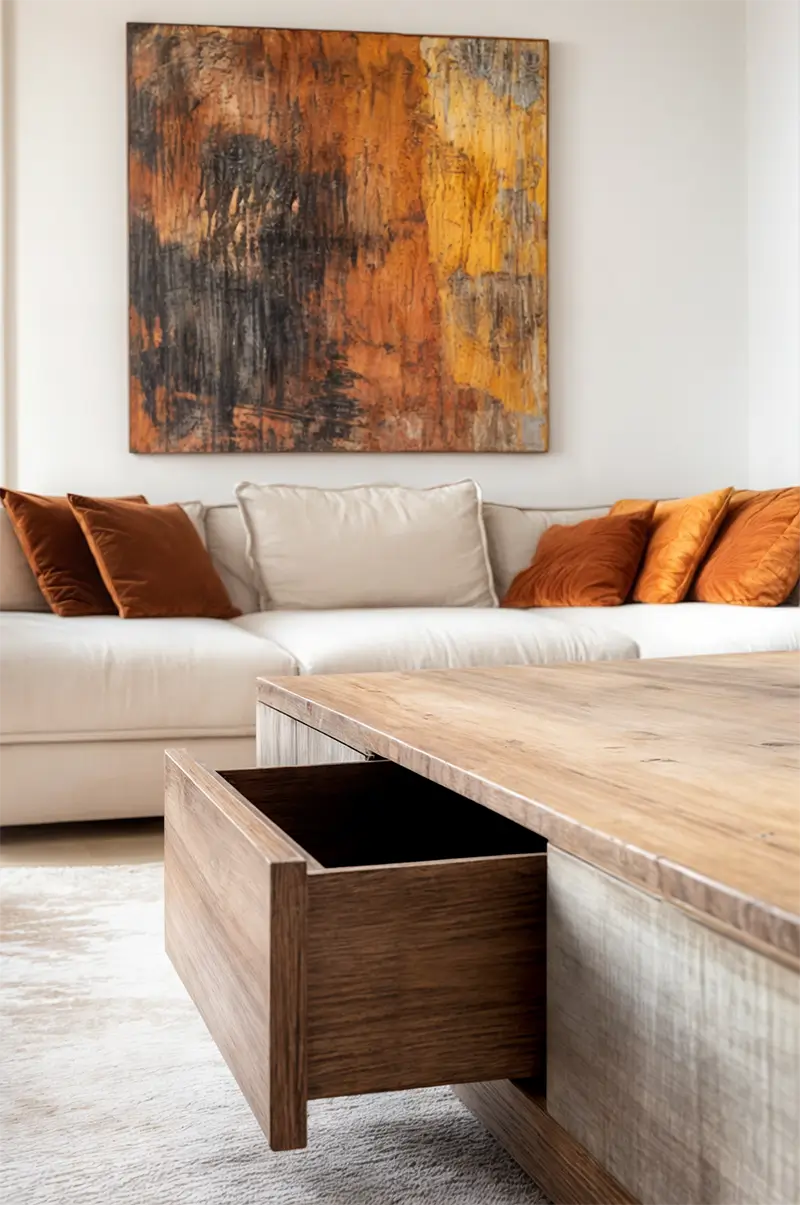
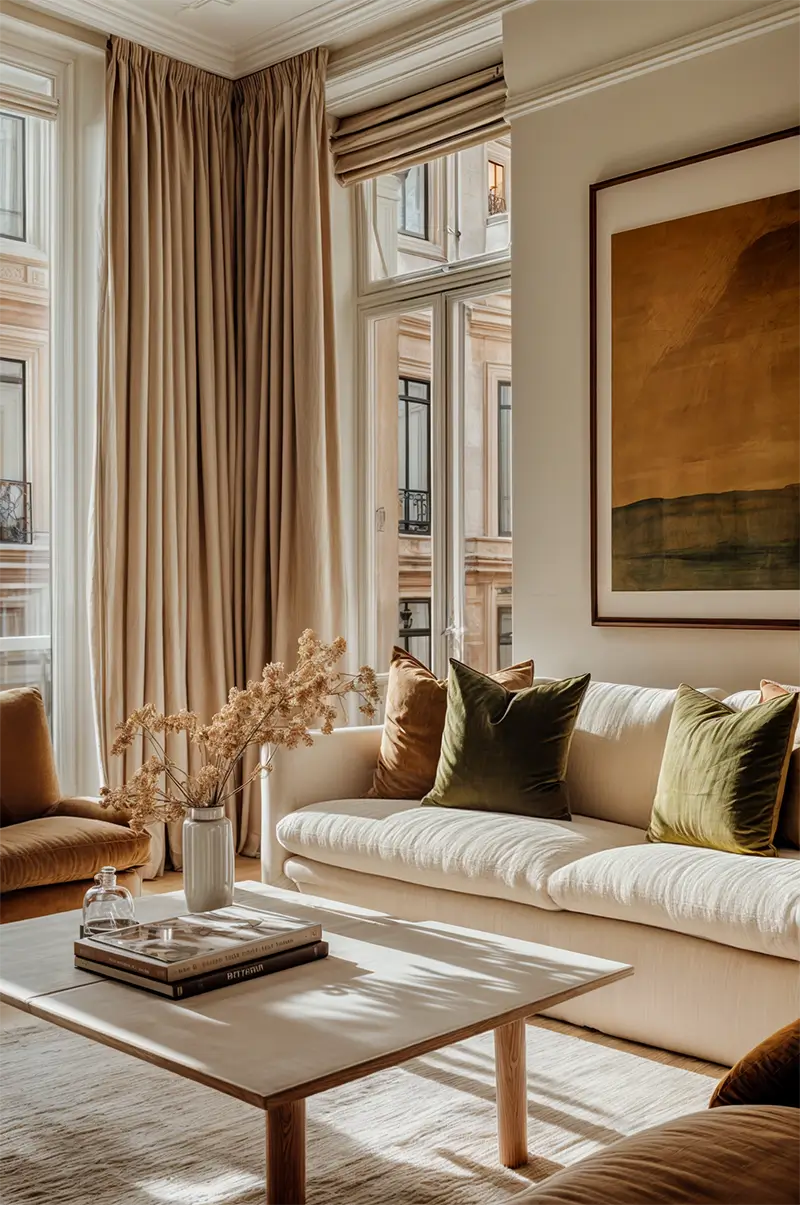
A warm minimalist living room uses cream or soft beige walls with a comfortable, deep-seated sofa in natural linen or boucle. A wooden coffee table with visible grain sits on a textured jute or wool rug. Natural wood shelving displays a few meaningful books and ceramics. Plants in woven baskets add life and texture.
Lighting layers warm ambient options—a linen-shaded table lamp, soft wall sconces, natural daylight through sheer curtains. The space feels serene but lived-in, inviting you to actually use it rather than preserve its perfection.
Creating this balance requires thoughtful curation: each element serves a purpose, but that purpose includes emotional comfort, not just function.
Traditional vs Warm Minimalism: Which Style Fits Your Lifestyle?
Choose traditional minimalism if you thrive in visually pristine environments, prefer a gallery-like aesthetic, and find peace in stark simplicity. It works best for those who naturally maintain strict organization and genuinely enjoy the discipline of radical editing.
Choose warm minimalism if you want simplicity without sterility, need your space to feel inviting for family and guests, or value comfort alongside clean aesthetics. It suits people who appreciate the minimalist philosophy but also need their home to feel like a sanctuary rather than a showroom.
Warm minimalism is about creating comfort without the clutter and bringing in natural materials and earth tones that make the space feel grounded and calming.
💡 Pro Tip
Start with warm minimalism if you’re unsure. It’s easier to add restraint than to add warmth. Begin with a neutral warm palette and natural materials, then edit down to your comfort level. You can always simplify further, but creating warmth in an already stark space proves more challenging.
Making Your Choice: Questions to Ask Yourself
Before committing to either style, consider these questions:
How do you actually use your space?
If you entertain frequently or have children, warm minimalism’s durability and comfort make more practical sense. Traditional minimalism works better for those who live alone or maintain showroom-level organization.
What makes you feel calm?
Some people find peace in visual emptiness; others need textural richness and warmth to relax. There’s no wrong answer—only what works for your nervous system.
Can you maintain it?
Traditional minimalism requires constant vigilance to maintain its pristine aesthetic. Warm minimalism offers more flexibility, allowing for the natural ebb and flow of daily life while still looking intentional.
What’s your climate? In cold climates, warm minimalism’s cozy textures and warm tones feel more appropriate. In hot, sunny locations, traditional minimalism’s cool palette might feel more refreshing.
Traditional vs Warm Minimalism: Creating Your Own Balanced Approach
You’re not limited to choosing one style entirely. Many designers now blend elements from both approaches—using minimalist principles for organization and calm while incorporating warm minimalism’s inviting materials and textures.
Start with the structural elements of traditional minimalism: uncluttered surfaces, concealed storage, clean lines. Then layer in warm minimalism’s softening touches: natural materials, warm lighting, a few meaningful objects, and living greenery. This hybrid approach gives you both clarity and comfort.
The key is intentionality. Whether you lean traditional or warm, every item in your space should earn its place through function, beauty, or emotional meaning. That’s the true spirit of minimalism—not deprivation, but curation.
Continue Your Minimalist Journey
Ready to create your ideal minimalist space? Explore these related guides:
- → 8 Warm Minimalist Bedroom Design Ideas
- → Warm Minimalist Color Palette: Neutral and Earthy Hues
- → The Evolution of Minimalism: Minimalist Design Trends for 2025
- → 6 Must-Have Features for a Perfect Warm Minimalist Kitchen
- → Beyond White Walls: A New Take on Minimalist Luxury Living Room
Want expert guidance on transforming your space? Explore our Minimalist Luxury Space Evaluation Blueprint for a comprehensive approach to creating your ideal environment.