Warm Minimalist Home Office Design: 9 Ideas for Focused Productivity
A warm minimalist home office combines the clean lines and uncluttered surfaces of minimalism with cozy textures, natural materials, and warm color tones. This approach creates a workspace that supports deep focus through simplicity while maintaining the psychological comfort your nervous system needs for sustained productivity. The result is a home office that feels both purposeful and inviting—a space where you actually want to spend your working hours.
- Warm minimalism balances focus-supporting simplicity with nervous system comfort
- Natural materials like wood and linen create visual warmth without clutter
- Strategic color choices in warm neutrals support sustained concentration
- Quality over quantity applies to furniture, lighting, and decor equally
- Your desk placement and room layout affect both productivity and wellbeing
What Makes a Home Office “Warm Minimalist”?
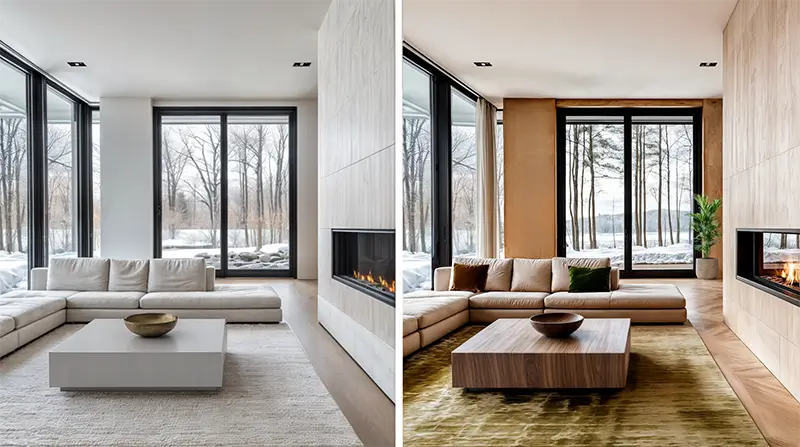
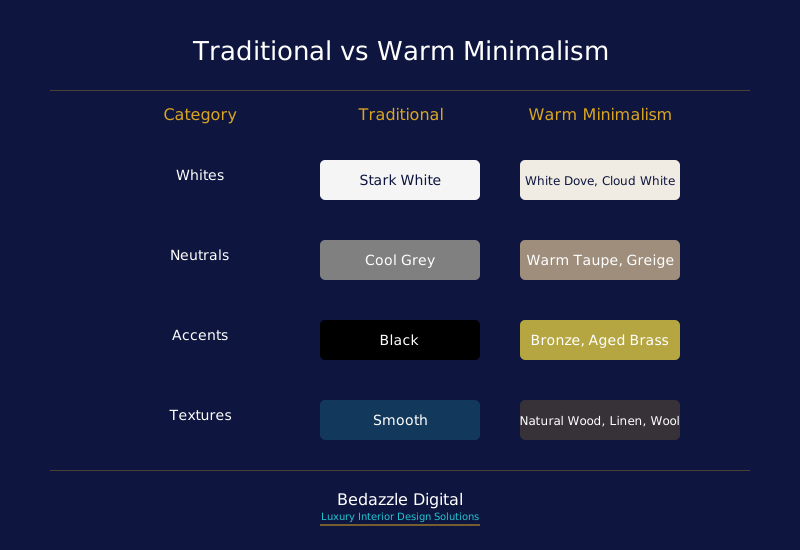
Warm minimalism takes traditional minimalism’s clarity and focus, then adds the elements that make a space feel human and welcoming. In a home office, this means choosing quality pieces in natural materials—think solid wood desks, linen window treatments, leather seating—while maintaining the uncluttered surfaces that support concentration. The color palette shifts from stark whites and grays to warmer neutrals: creams, taupes, warm grays, and soft earth tones.
This distinction matters because your home office serves a different purpose than a corporate workspace. You’re not just working here; you’re spending significant portions of your life in this room. Research shows that environmental warmth—both literal temperature and visual warmth from color and materials—affects cognitive performance and emotional regulation. A space that feels cold or sterile can subtly increase stress hormones, while a thoughtfully warm environment supports the calm alertness that deep work requires.
If you’re new to this approach, our comprehensive guide to warm minimalism explains the philosophy behind balancing simplicity with comfort throughout your entire home.
1. Start with the Right Desk: Form Meets Function
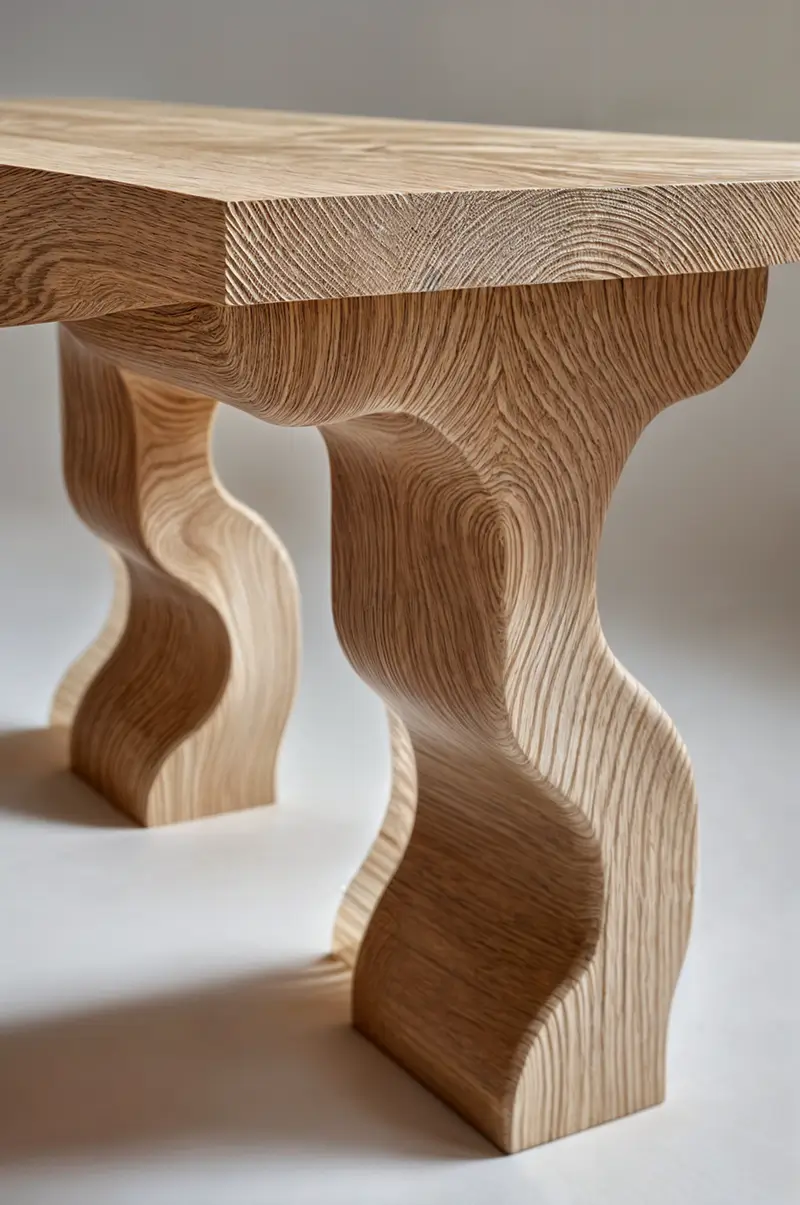
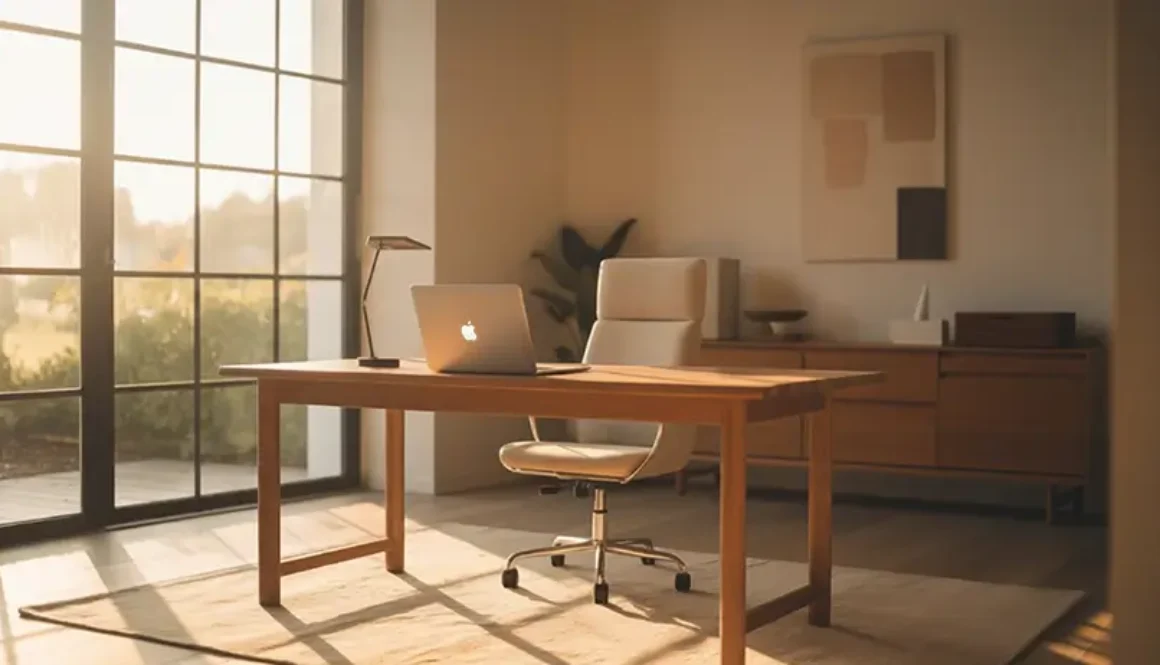
Your desk is the foundation of your home office, and in warm minimalist design, it should be substantial without being ornate. Look for solid wood construction in warm tones—walnut, oak, or teak—with clean lines and minimal hardware. The desk should be large enough to work comfortably without creating visual weight that dominates the room.
Desk placement matters more than most people realize. Position your desk so you face into the room rather than a wall, with your back to a solid wall if possible. This satisfies your brain’s instinctive need for spatial awareness—you can see your surroundings without constant vigilance—which reduces low-level stress and supports sustained focus. If you must face a wall, place your desk far enough away that you’re not staring at a surface just inches from your face.
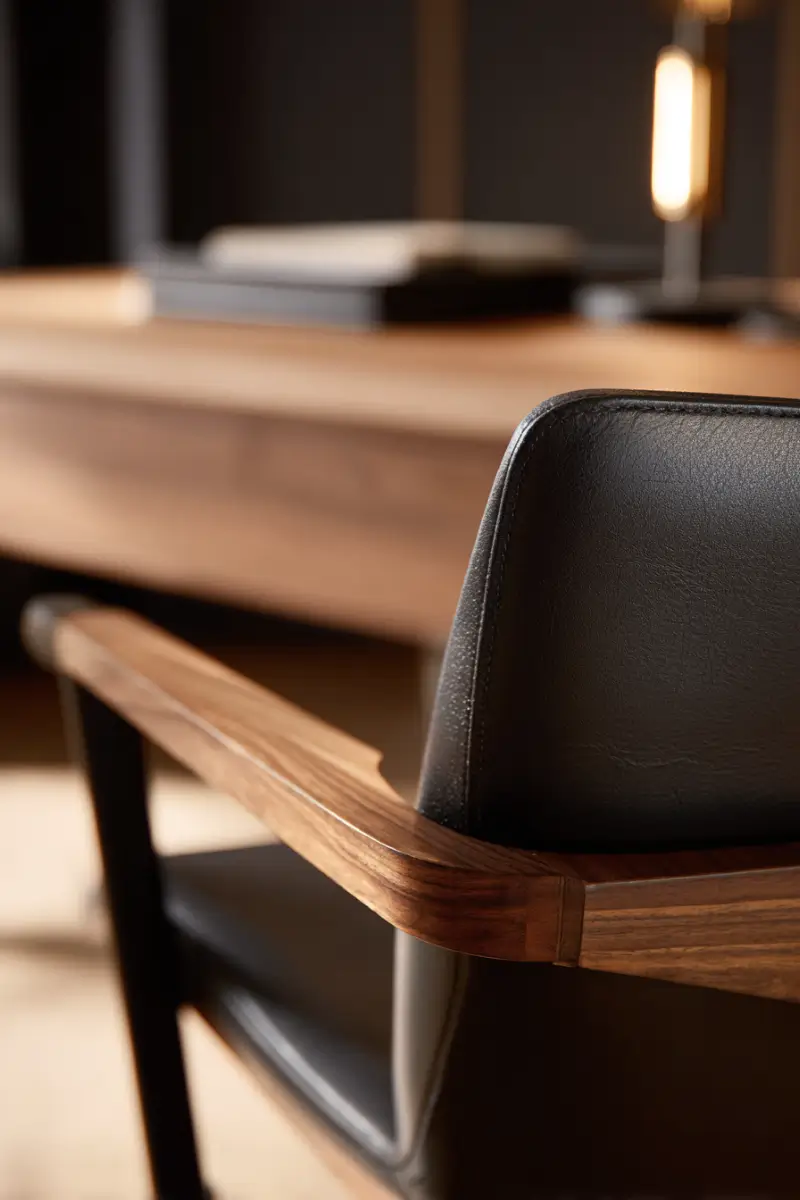
Can’t afford a solid wood desk right now? Look for vintage office furniture from the 1960s-70s. Mid-century pieces often feature the clean lines and warm wood tones you want, at a fraction of the cost of new high-quality furniture. Refinishing a dated piece can become part of your relationship with the space.
2. The Warm Minimalist Color Palette for Your Office
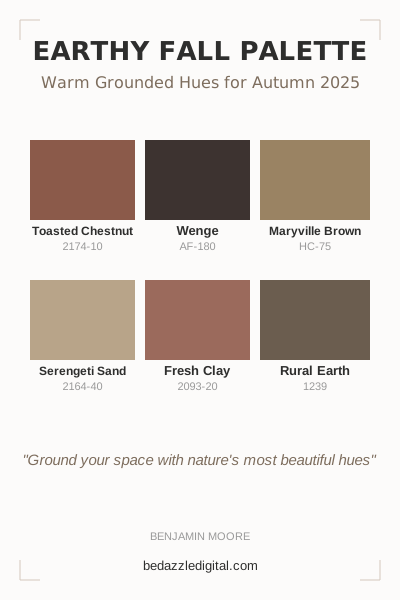
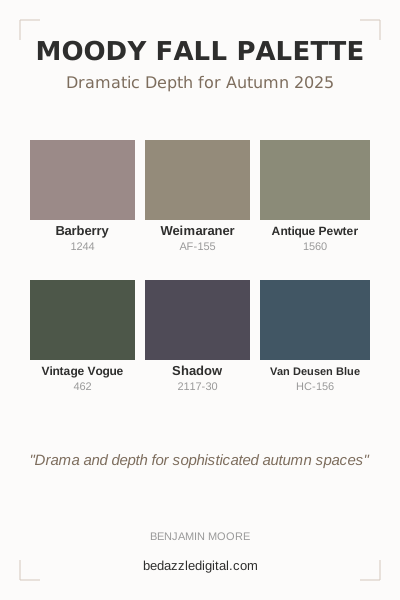
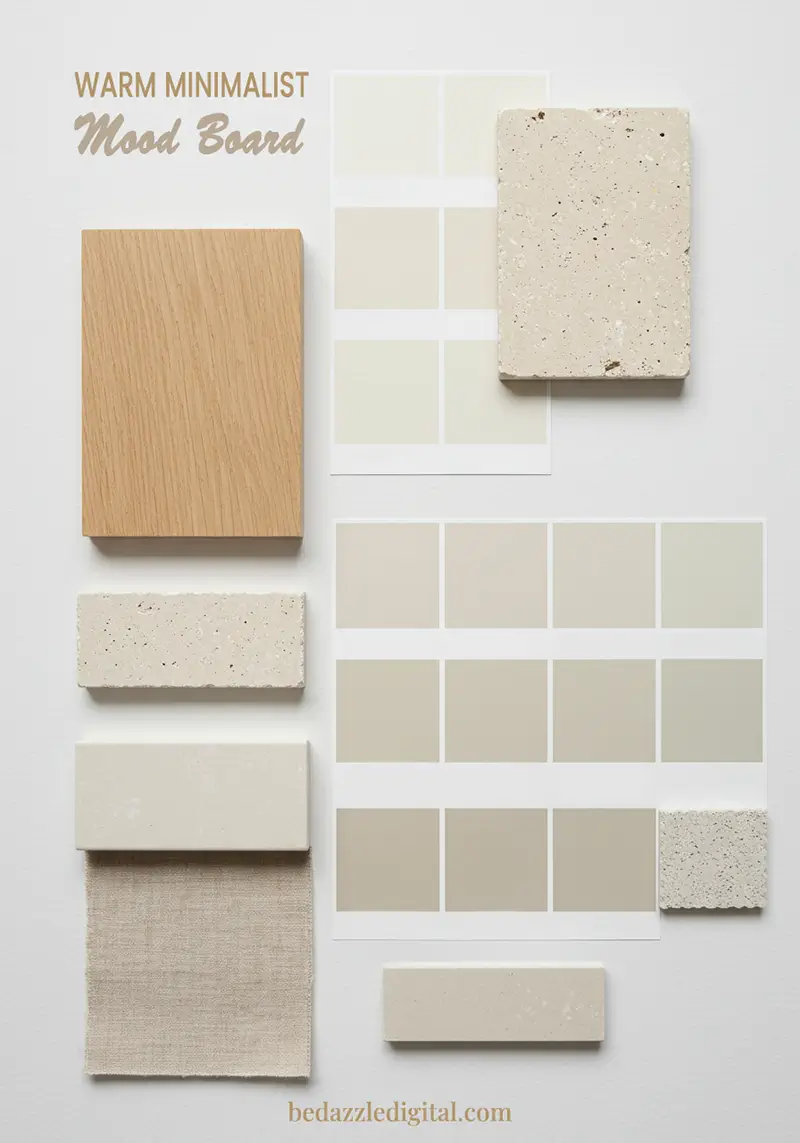
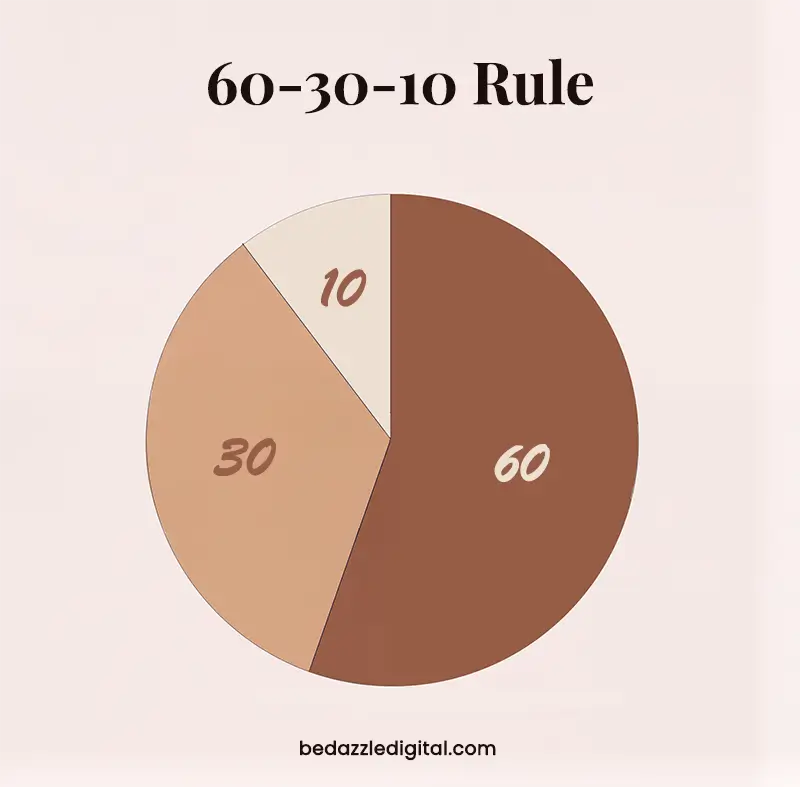
Color choices in your home office directly affect your ability to concentrate and your emotional state throughout the workday. Warm minimalism favors a palette of warm neutrals as the foundation: think warm white walls (not stark white), with accent colors pulled from nature—soft terracotta, muted sage, warm taupe, cream. Popular choices include Benjamin Moore’s White Dove for walls or Natural Linen for a warmer base.
These colors support focus because they provide visual interest without stimulation. Your eyes can rest on warm neutrals without being pulled away from your work, yet the subtle variation prevents the sterile feeling that pure whites and grays can create. If you work in a naturally dark space, warmer tones also reflect light more effectively than cool grays, making the room feel brighter without harsh white walls.
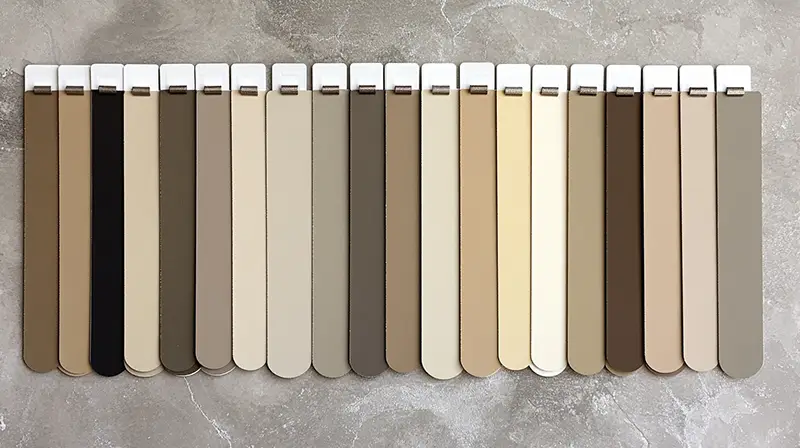
Our detailed warm minimalist color palette guide breaks down specific paint colors and shows how to combine them effectively throughout your space.
A study published in the Journal of Environmental Psychology found that warm color temperatures in work environments correlated with improved creative problem-solving and reduced reported stress levels. Participants in warm-toned rooms showed 15% higher task completion rates for complex cognitive work compared to those in cool-toned or neutral white spaces.
3. Natural Materials: Wood, Linen, and Leather
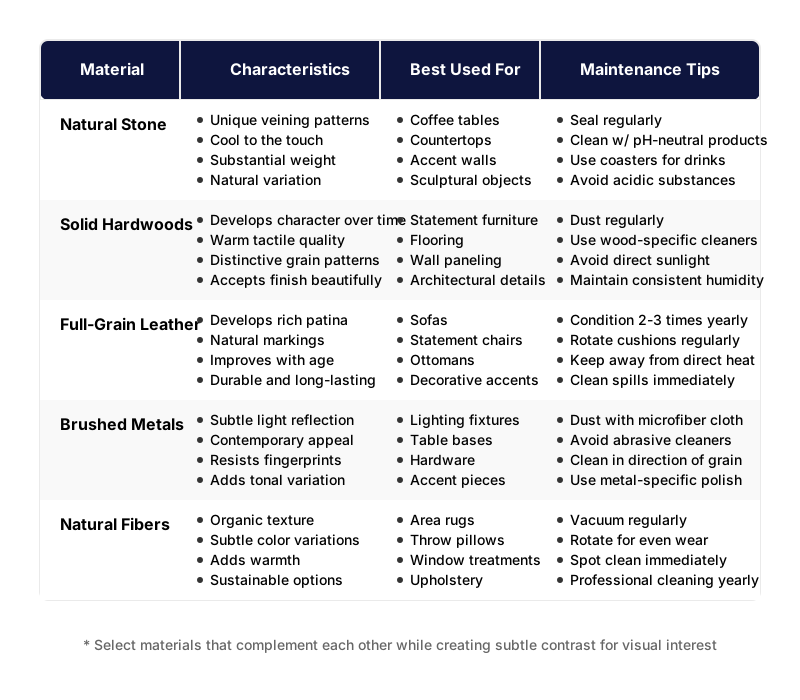
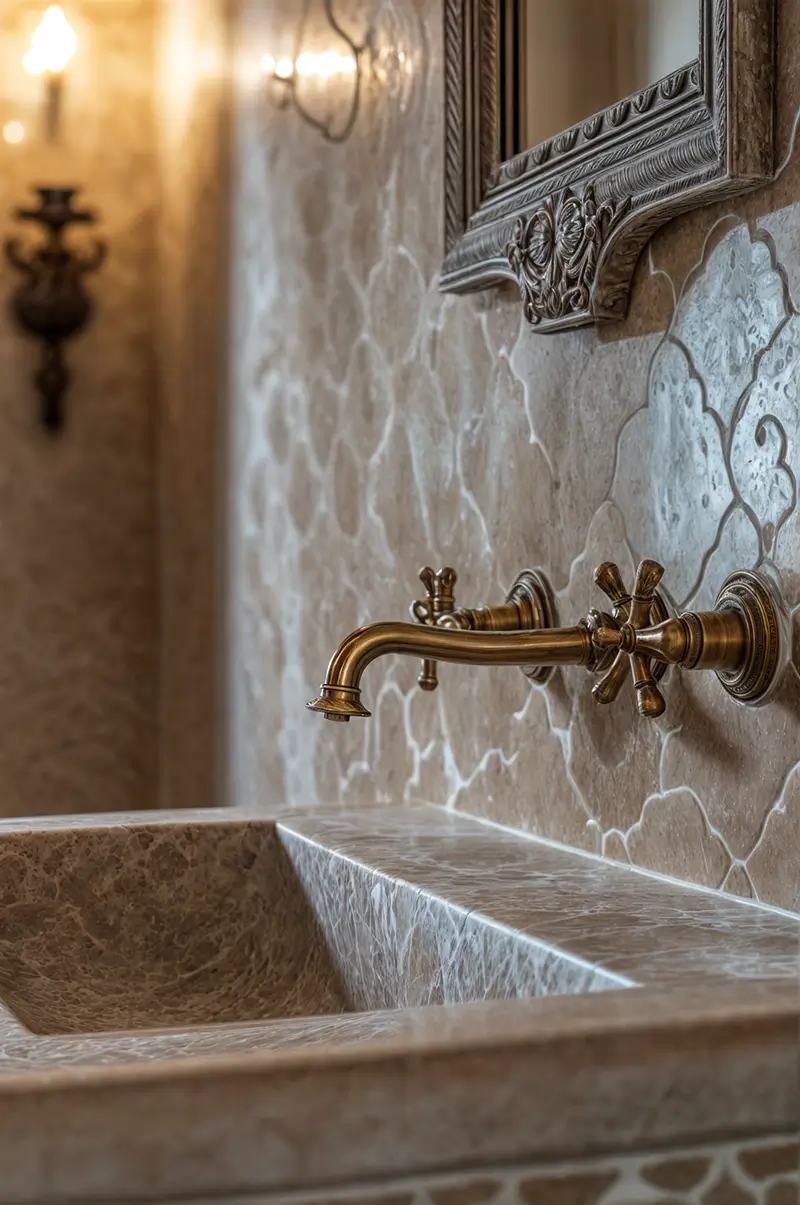
Material choice is where warm minimalism truly distinguishes itself. Every piece in your office should be made from materials that improve with age and use: solid wood, natural linen, leather, wool, stone. These materials bring inherent warmth through their texture and appearance, and they tell your nervous system that this is a human space, not a sterile environment.
Start with your desk chair. A quality leather or linen-upholstered task chair provides the support you need for long work sessions while adding visual and tactile warmth. Window treatments in natural linen filter light beautifully while maintaining the clean lines minimalism requires. A wool area rug under your desk defines the workspace and adds acoustic dampening—fewer hard surfaces mean less echo and a calmer sonic environment.
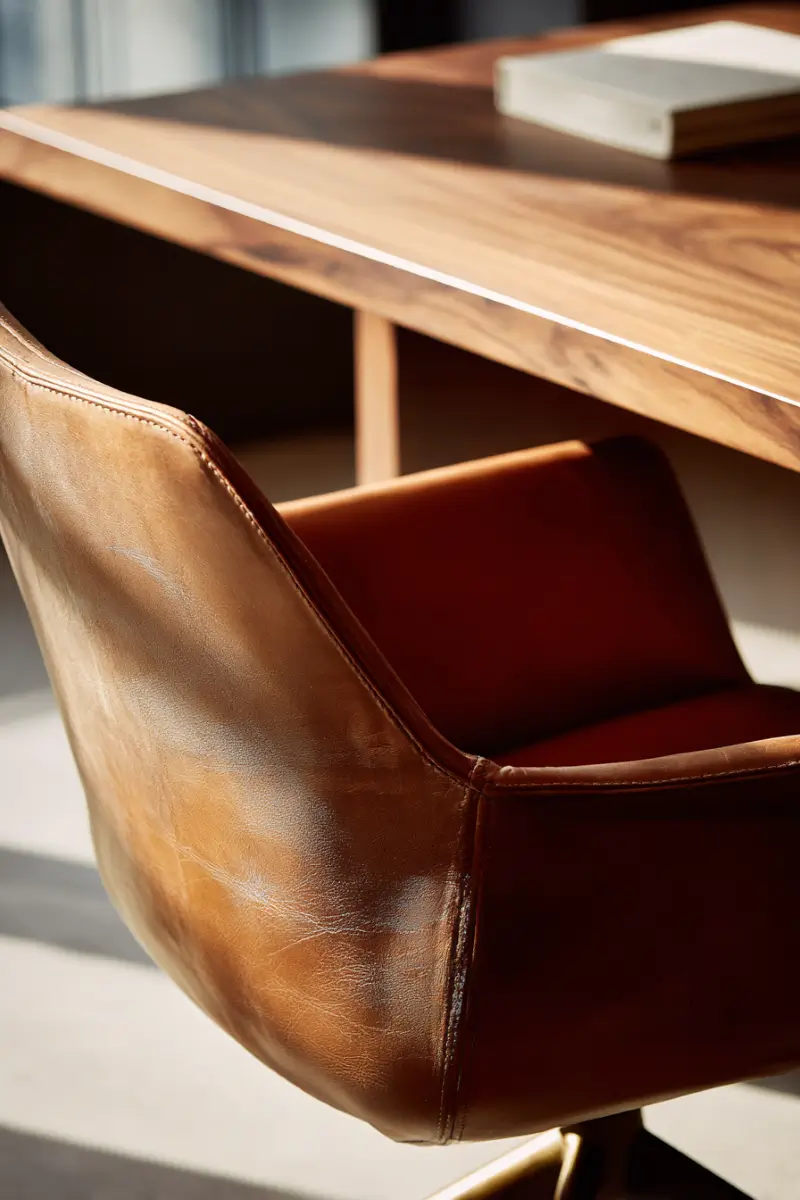
The sensory experience of natural materials matters more than aesthetic alone. Your hands rest on wood grain as you think, your feet touch wool, your eyes register the subtle imperfections of linen weave. These small, constant sensory inputs create a sense of groundedness that supports concentration without demanding attention.
4. Lighting Layers: Warm and Purposeful
Lighting in a home office needs to serve multiple functions throughout the day, and warm minimalism approaches this through layering. You need bright, focused task lighting for detailed work, ambient lighting to prevent eye strain from screen glare, and ideally natural light that connects you to the time of day and season.
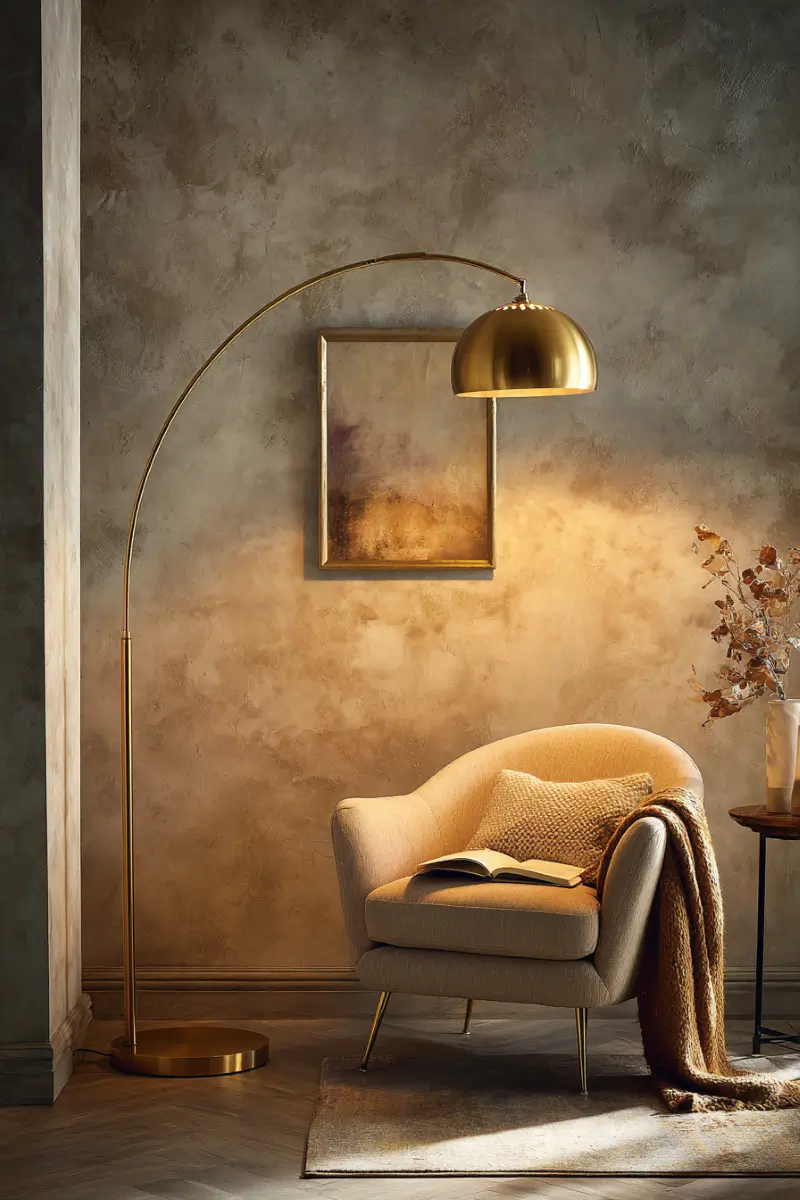
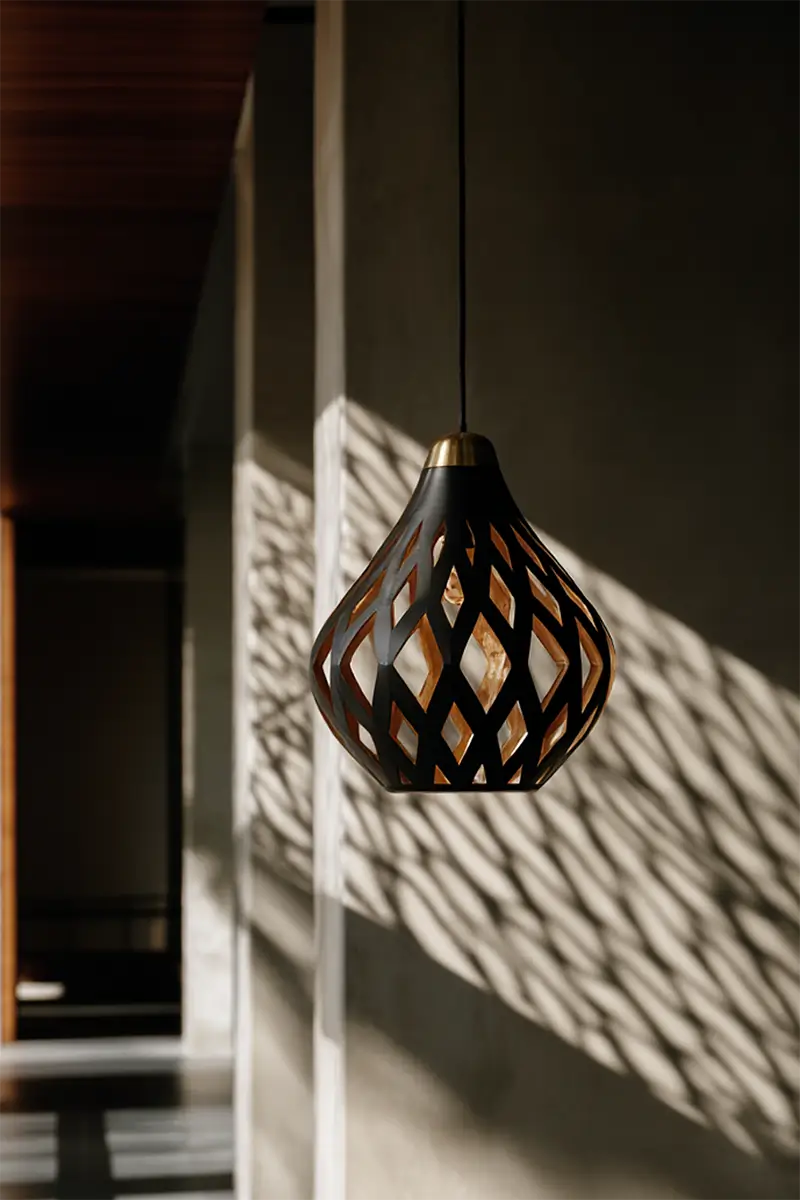
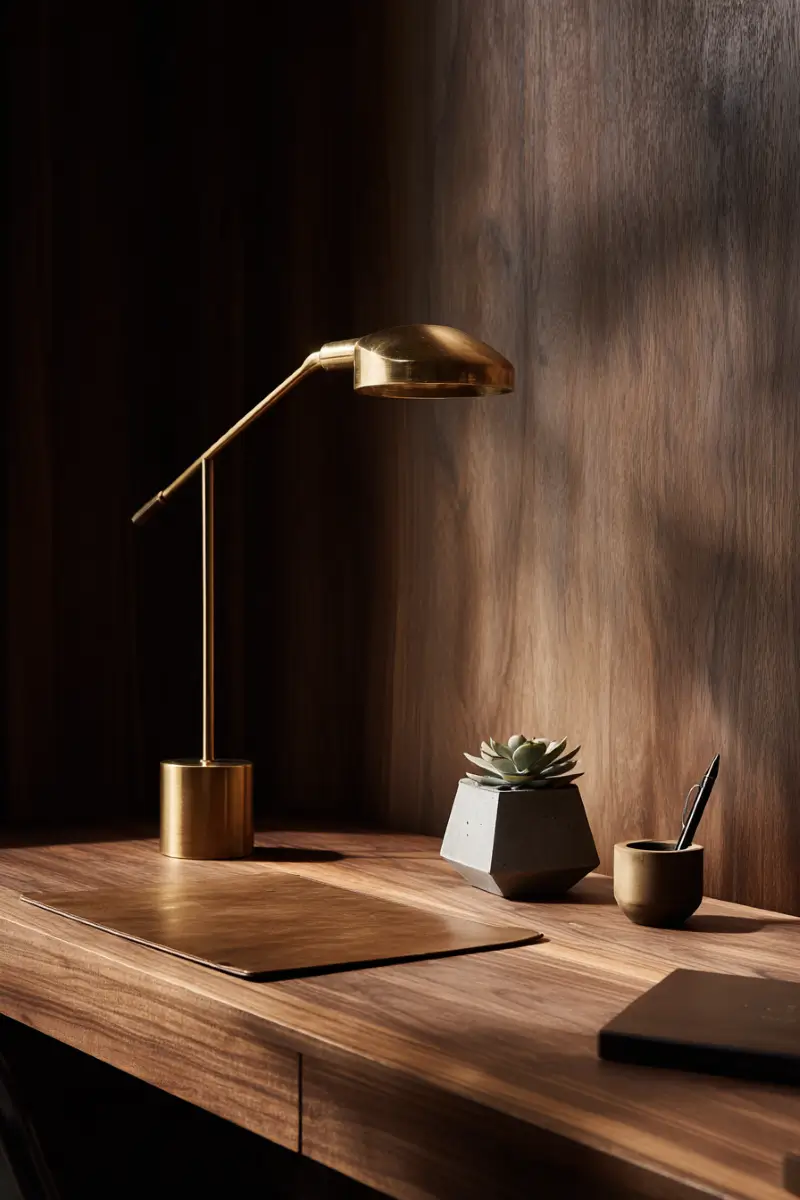
Start with your task lighting—a desk lamp with adjustable brightness and warm LED bulbs (2700-3000K color temperature). Position it to illuminate your work surface without creating glare on screens. Add ambient lighting through a floor lamp or wall sconces that provide indirect, diffused light. This layering prevents the harsh shadows and eye fatigue that come from relying on a single overhead fixture.
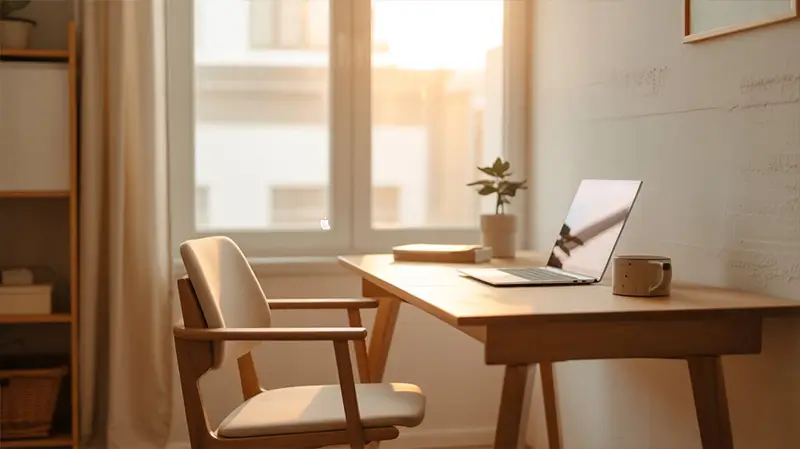
Natural light deserves special attention. Position your desk perpendicular to windows when possible, so daylight illuminates your workspace without creating screen glare. If you face a window directly, sheer linen curtains filter the light while maintaining the connection to outdoors. Studies consistently show that access to natural light improves circadian rhythm regulation, mood, and cognitive performance—your office lighting setup affects far more than just your ability to see your work.
5. Strategic Storage That Disappears
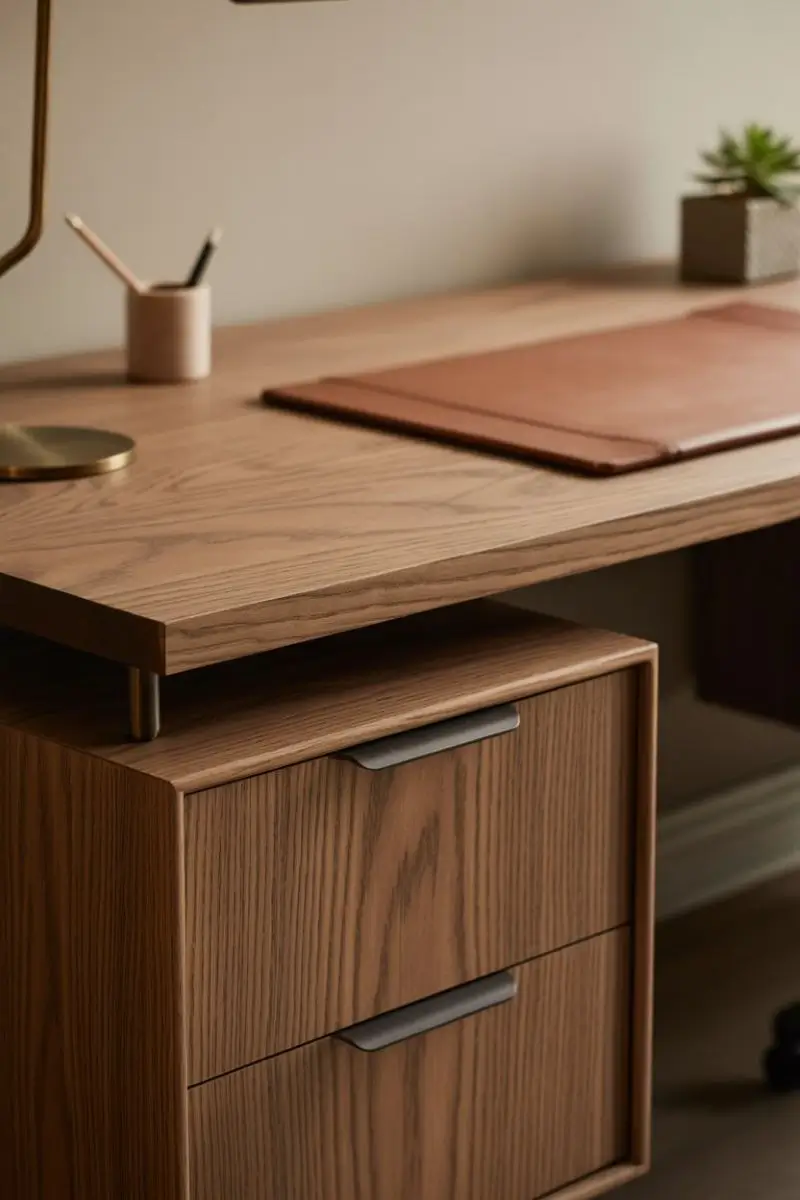
Storage in a minimalist office must be abundant enough to maintain clear surfaces, yet visually quiet enough not to dominate the space. Warm minimalism solves this through closed storage in natural wood—cabinets, drawers, and credenzas that blend with the overall aesthetic while hiding the working chaos of papers, supplies, and equipment.
Think vertical when planning storage. Floor-to-ceiling built-ins or tall bookcases provide massive storage capacity without consuming floor space. Keep frequently used items in the easiest-to-reach zones, and use the highest and lowest shelves for items you access rarely. Behind closed doors, organization can be functional rather than beautiful—but what’s visible should be intentionally curated.
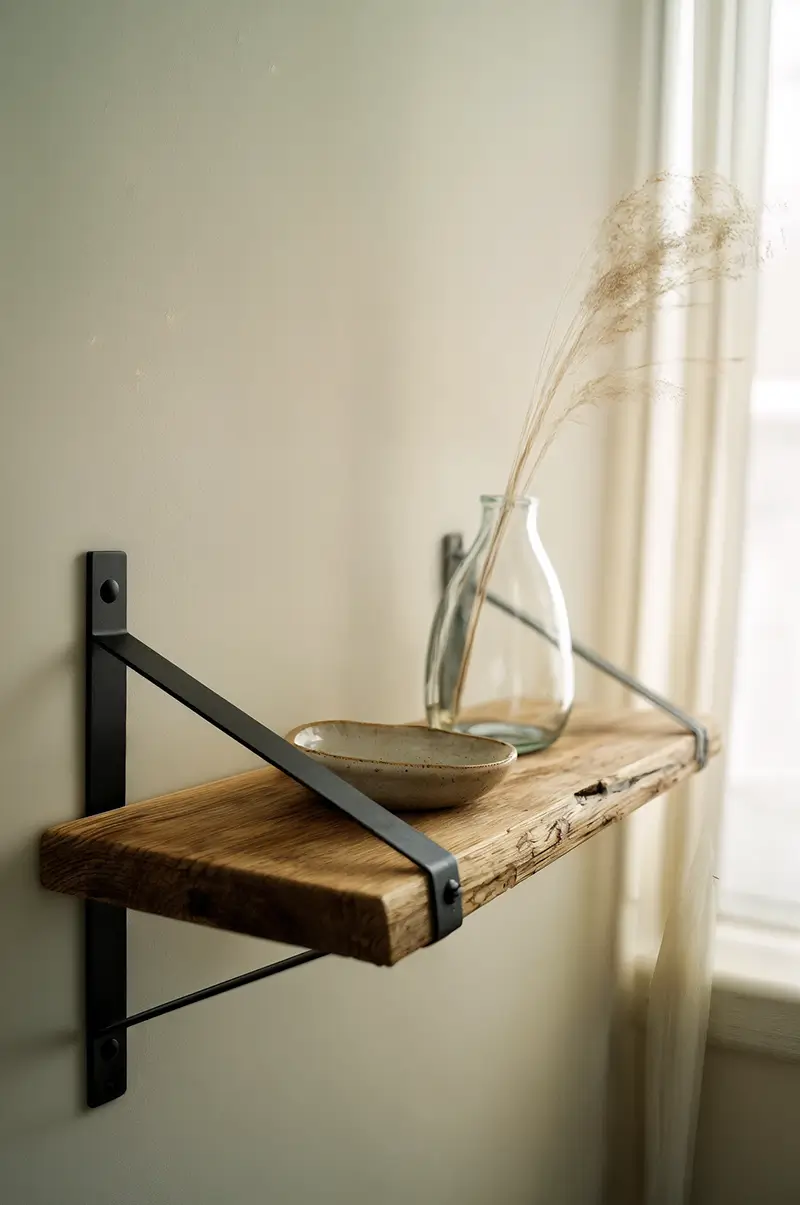
Open shelving works in warm minimalist offices only if you’re committed to maintaining it. A single shelf displaying a few carefully chosen objects—a ceramic vessel, a plant, a meaningful photograph—adds personality without clutter. More than that, and you’re creating visual noise that undermines the calm the rest of the space provides.
Can’t install built-ins? Look for vintage credenzas or sideboards. Mid-century pieces often feature beautiful wood grain and provide significant storage. Place one along a wall to hold office supplies, files, and equipment, keeping your desk surface completely clear when not actively working.
6. The Power of Restraint: What Not to Include
Warm minimalism is as much about what you leave out as what you include. Your home office doesn’t need motivational posters, multiple plants on every surface, or collections of decorative objects. Each item you add requires a small amount of cognitive processing—your brain must catalog it, even subconsciously. In a workspace, this mental load accumulates.
Resist the urge to fill empty space. A wall with a single piece of art or a simple shelf creates more visual calm than a gallery wall. Empty corners are not problems to solve—they’re breathing room for your attention. The discipline of restraint is what makes minimalism effective, and warm materials are what make that restraint feel inviting rather than stark.
This philosophy extends to technology. Keep visible tech to the minimum necessary for your work. Charging cables, external drives, and peripherals should have designated homes where they’re accessible but not constantly visible. The goal is a space where your attention naturally settles on your work, not on managing or navigating visual clutter.
7. Bringing Life In: Plants and Natural Elements
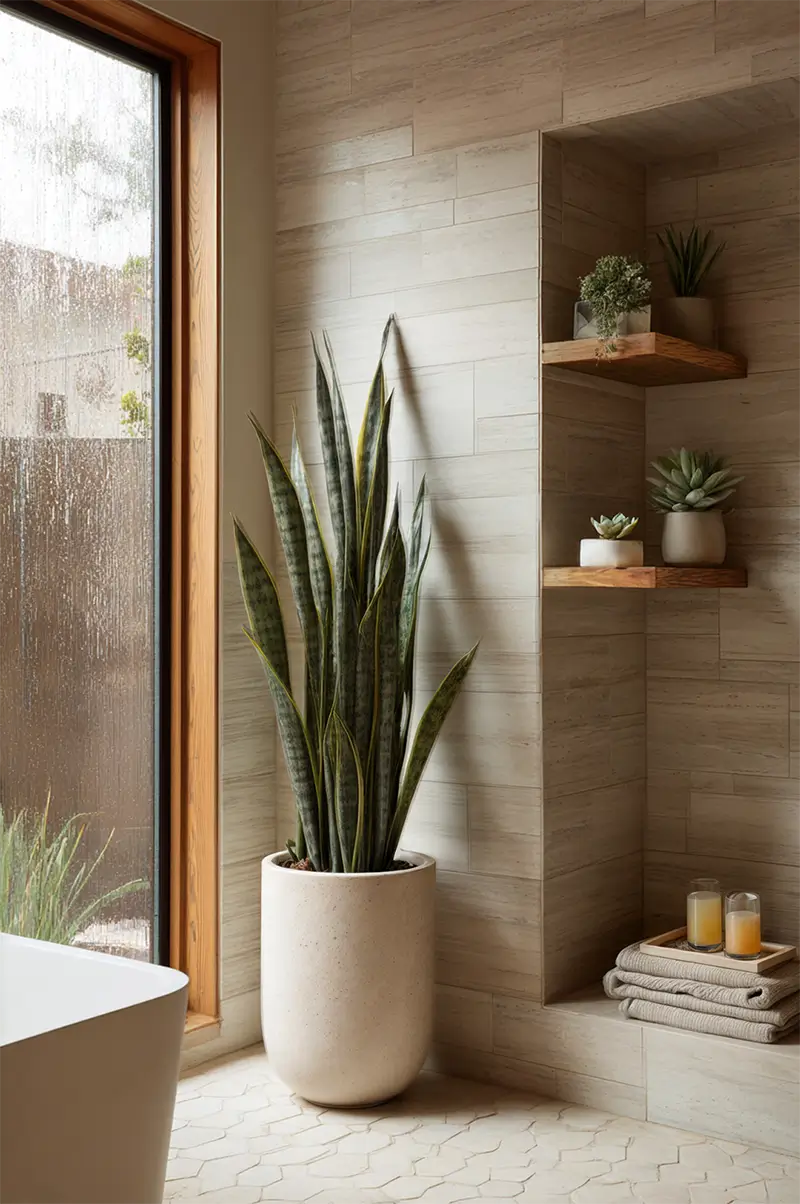
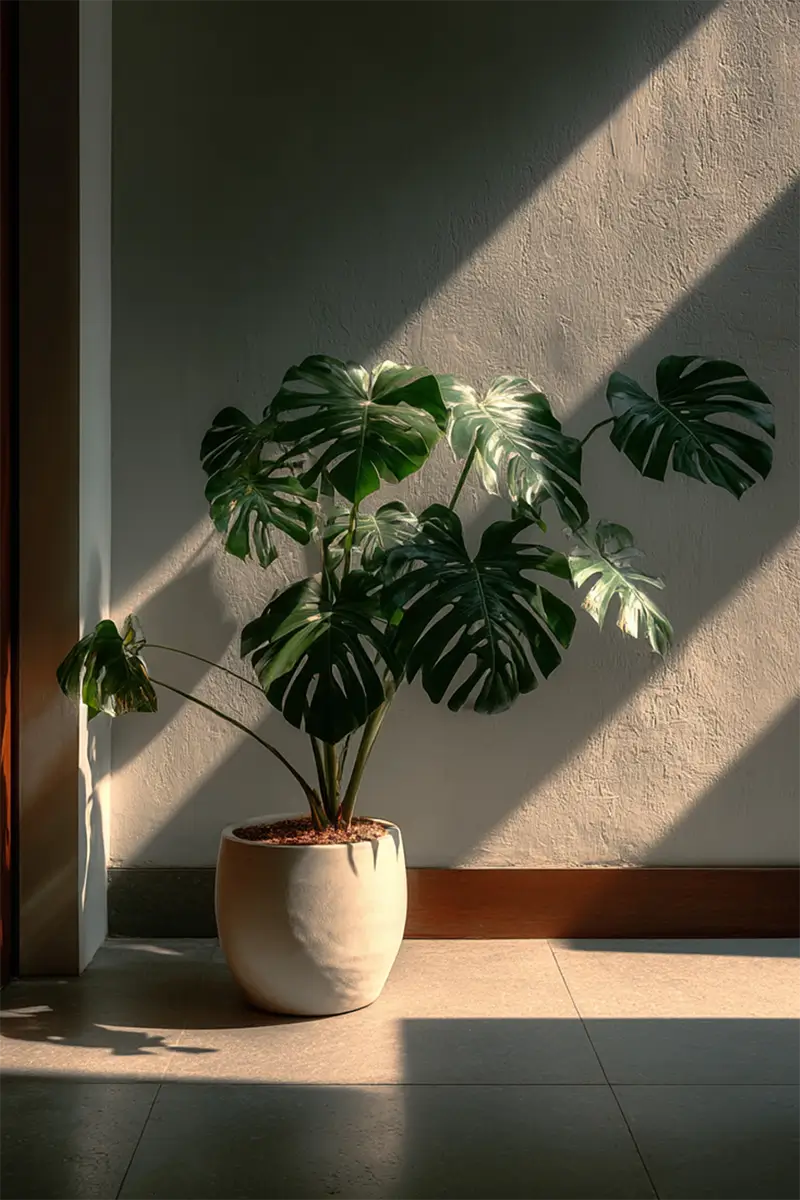
One or two substantial plants bring life to a warm minimalist office without creating clutter. Choose plants with simple forms—a fiddle leaf fig, a snake plant, a monstera—in neutral ceramic or terracotta pots. Place them where they receive adequate light and where their forms complement the room’s lines rather than competing with them.
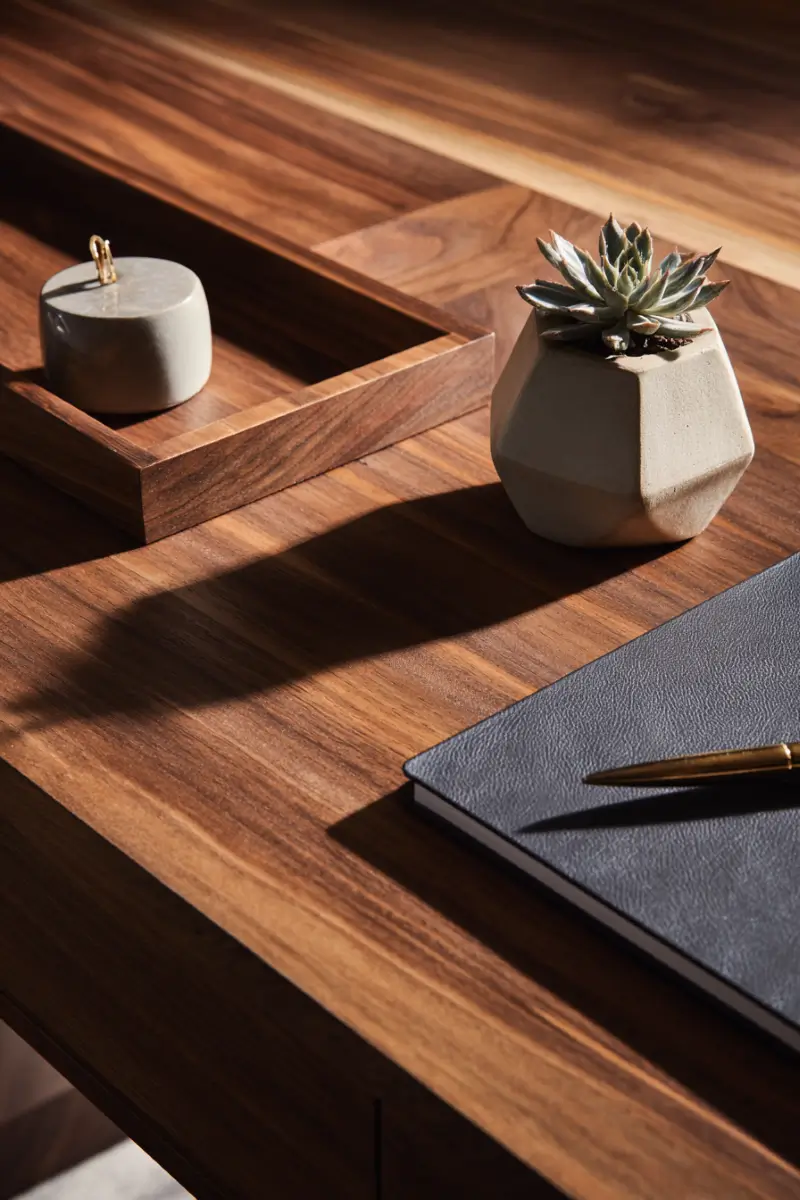
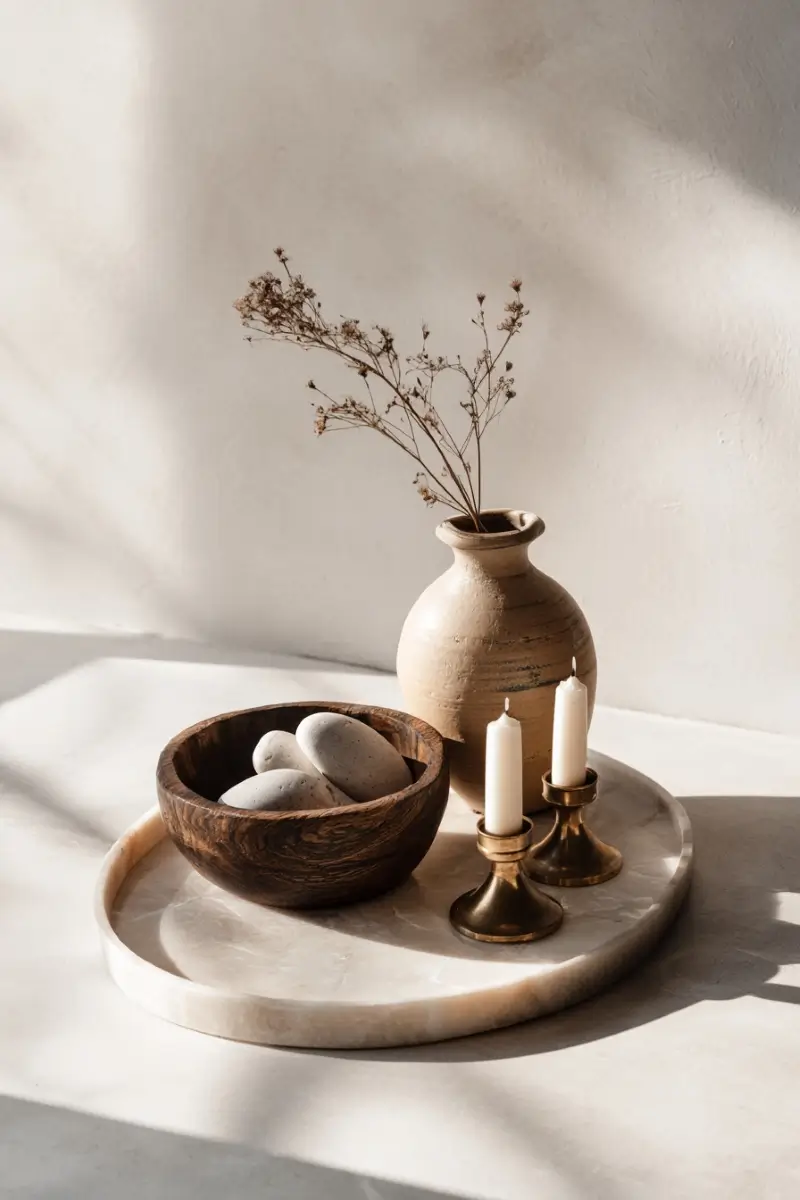
Beyond plants, consider other natural elements that bring subtle variation without clutter. A piece of driftwood on a shelf, smooth river stones as paperweights, or a small bowl of collected objects from nature walks. These elements connect your indoor workspace to the natural world, providing small focal points for your eyes during breaks without demanding maintenance or attention.
8. Personal Touches Within the Framework
Your home office should reflect who you are, but in warm minimalism, personal expression happens through quality and meaning rather than quantity. Choose a single piece of art that genuinely moves you rather than filling walls with prints. Display one meaningful photograph in a simple frame rather than a collection. Keep a single object that has deep personal significance rather than accumulating sentimental items.
This selectivity forces you to identify what truly matters. When you can only display a few things, you choose the objects that carry the most meaning or bring the most joy. The result is a space that feels deeply personal despite—or because of—its restraint.
Your work itself can become the primary personal expression. If you’re a writer, perhaps a shelf holds your published books. If you’re a designer, a single framed print of your best work. The space reflects your professional identity through what you create, not through decorative objects that reference it.
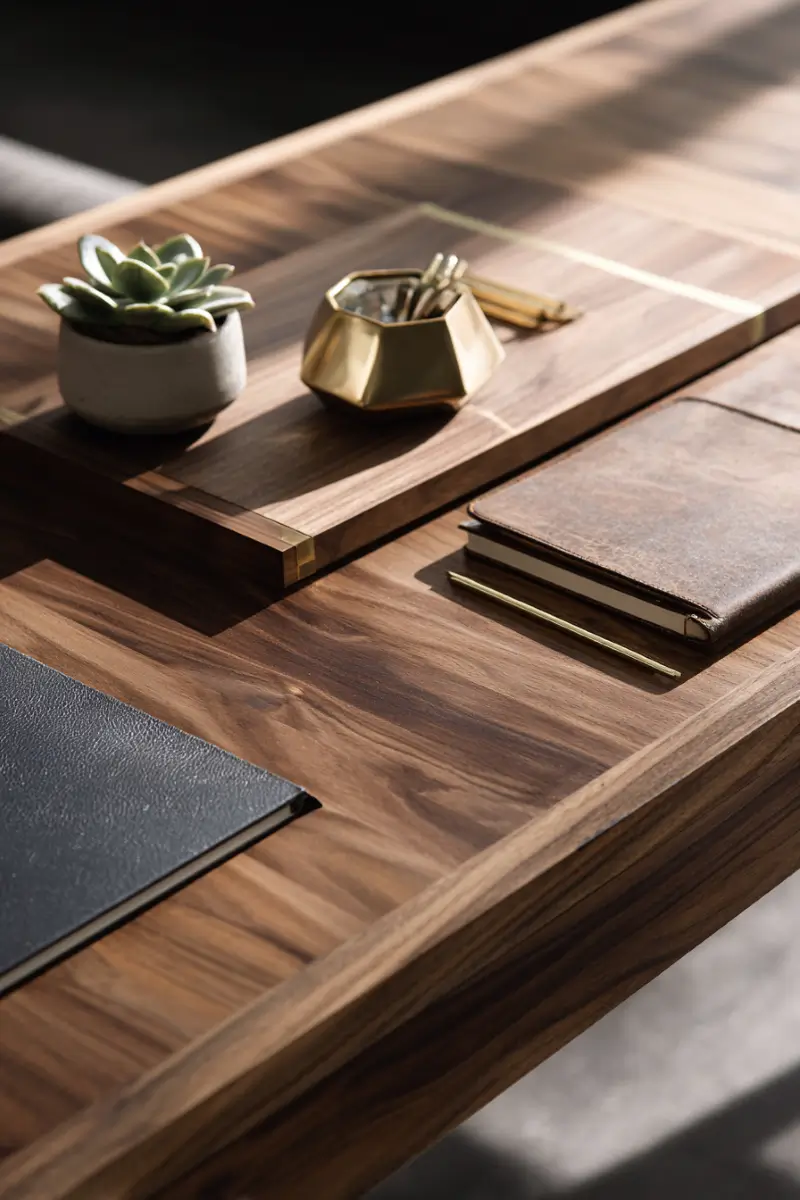
9. The Rhythm of the Space: Flow and Function
A successful warm minimalist office has a natural flow that supports your work patterns. Think about how you actually use the space throughout your day. Do you need a separate zone for video calls with a better background? Is there space to stand and stretch without navigating around furniture? Can you shift from computer work to reading or writing without friction?
Create distinct micro-zones within the office if space allows. Your primary work surface for computer-based tasks. A comfortable chair with good light for reading or thinking. A clear surface for spreading out documents or materials when needed. These zones should flow naturally into each other without requiring you to dramatically rearrange or move between cramped obstacles.
The ultimate test of your office’s design is how it feels at the end of a long workday. If you leave feeling drained by the space itself—by visual chaos, poor lighting, or uncomfortable furniture—the design isn’t serving you. A well-designed warm minimalist office should feel as comfortable at 6 PM as it does at 9 AM, supporting you through the entire arc of your workday.
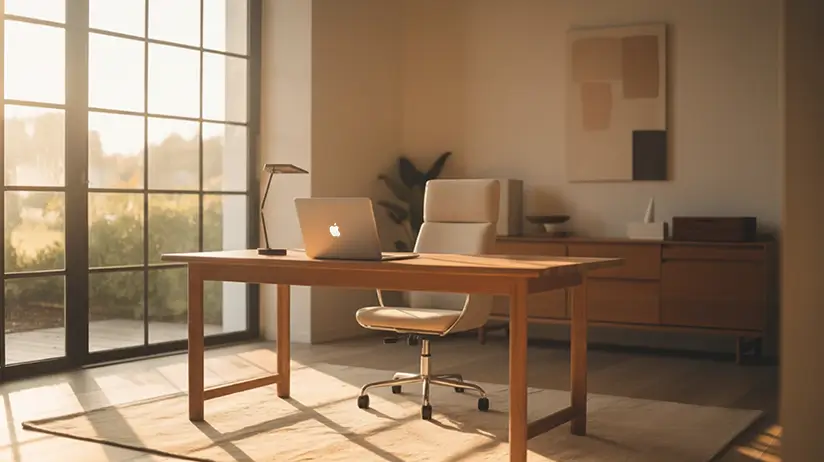
Creating Your Own Warm Minimalist Home Office
Building a warm minimalist home office is less about following a specific aesthetic formula and more about understanding the principles: clarity and simplicity for focus, warmth and natural materials for comfort, quality over quantity in every choice. Start with the elements that will have the biggest impact—your desk, your chair, your lighting—and build from there gradually.
The beauty of this approach is that it improves over time. As you work in the space, you’ll notice what supports your best work and what distracts from it. A warm minimalist office isn’t static; it evolves as you refine what you truly need and remove what you don’t. The goal is a space so well-suited to your work and temperament that it disappears from your awareness, leaving you free to focus on what matters: the work itself.
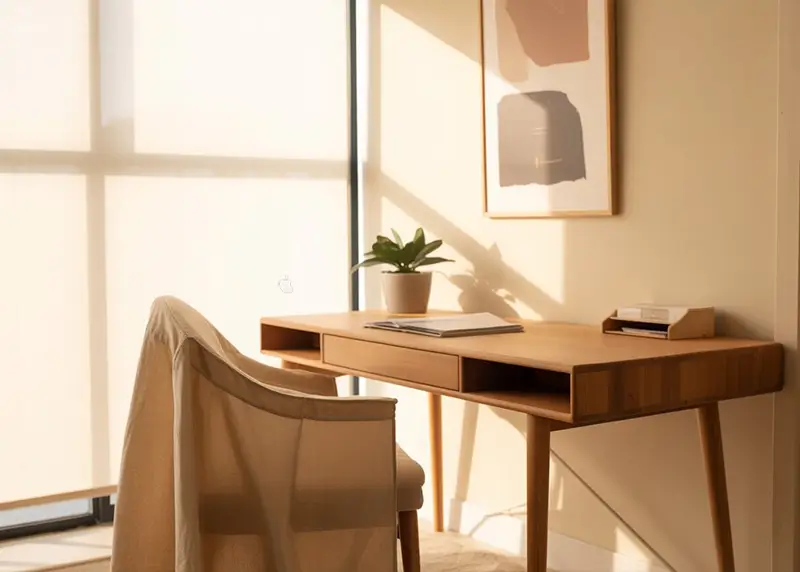
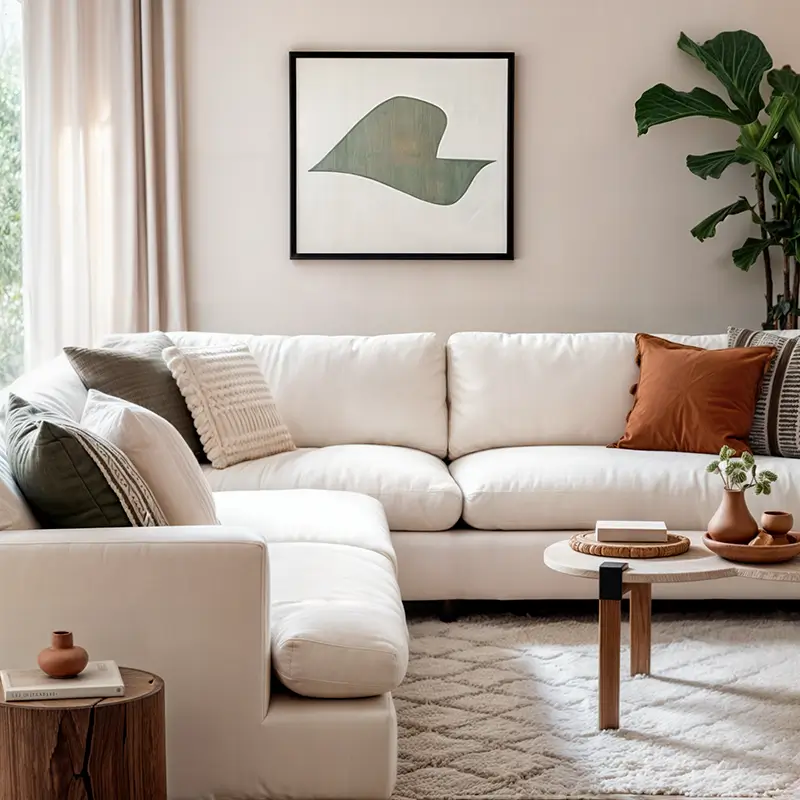
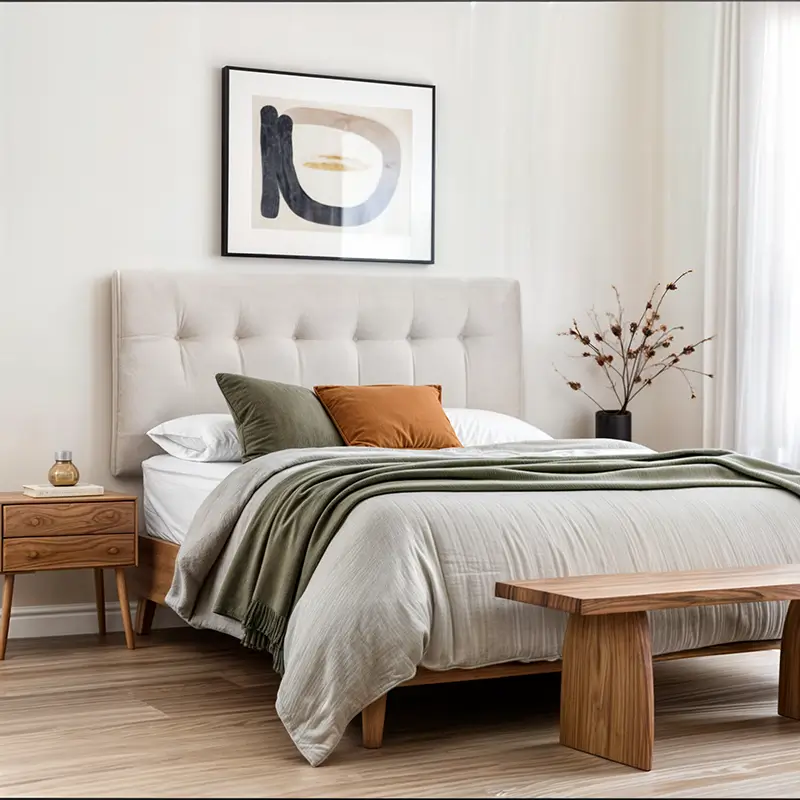
This philosophy of thoughtful simplicity extends beautifully beyond the office. Our guide to warm minimalist living room design shows how these same principles create gathering spaces that feel both sophisticated and inviting, while our warm minimalist bedroom guide explores how this approach supports restorative sleep.